A credit score is a number that is a number that shows how likely you are to repay loans on time. A credit report is a detailed record of your credit history which includes details of your payments, loans, credit cards, debts, etc.
In short, a credit report gives a full picture of your credit activity whereas a credit score helps analyze your eligibility for various financial products.
Now that you have an idea of what each of them is, let’s understand their importance, and the steps to check your credit score online and access a free credit report.
| A credit report lets you check your financial history for accuracy and fraud. A credit score shows how likely you are to repay debt, helping you make better financial choices. |


Difference Between Credit Score & Credit Report
The table below shows the key differences between credit score and credit report:
| Category | Credit Score | Credit Report |
|---|---|---|
| Definition | 3-digit number that represents the creditworthiness | Detailed record of your credit history |
| Purpose | Allows lenders to quickly assess your credit risk | Allows lenders to assess overall credit behavior |
| Range/Value | Ranges from 300-900 | No numerical value, just a history of credit activity |
| Updates | Regular based on credit activities | Updated as per credit activities occur |

Importance of Credit Reports & Credit Scores
To effectively manage your finances, it is important to have a good track record of your credit score and credit report.
Here is how both credit scores and credit reports are important in your financial life:
- They serve as important tools that can help you make informed financial decisions.
- They help improve the chances of getting approved for personal loans and credit cards.
- They help access low interest rates and premium benefits.
- They promote financial responsibility and increase the quality of their lifestyle.
Suggested Read: CIBIL Score
Steps to Check Your Credit Score & Report for Free
For a free credit score check and credit report check, here are the steps to follow:
- Visit the official website of TransUnion CIBIL.
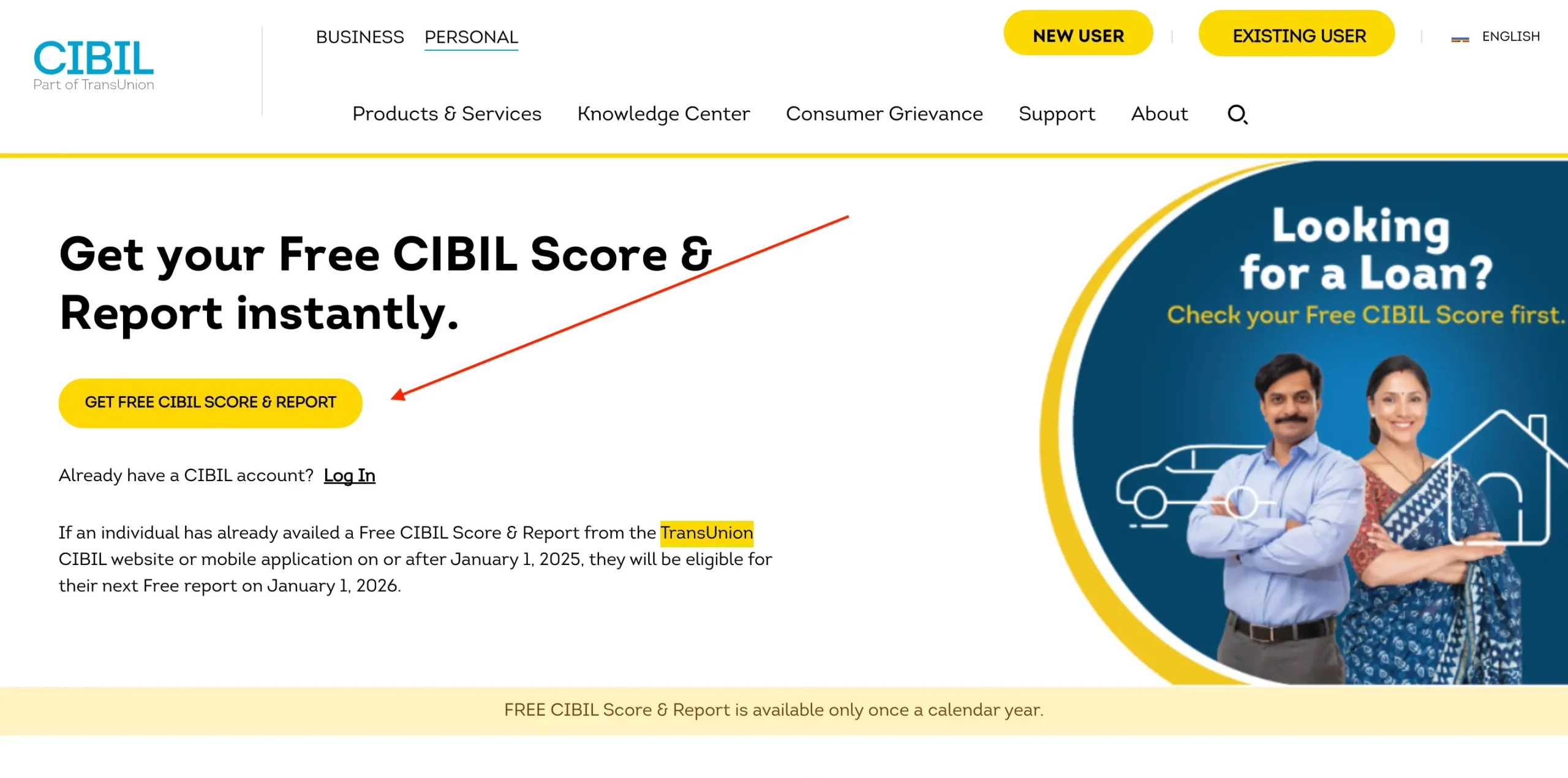
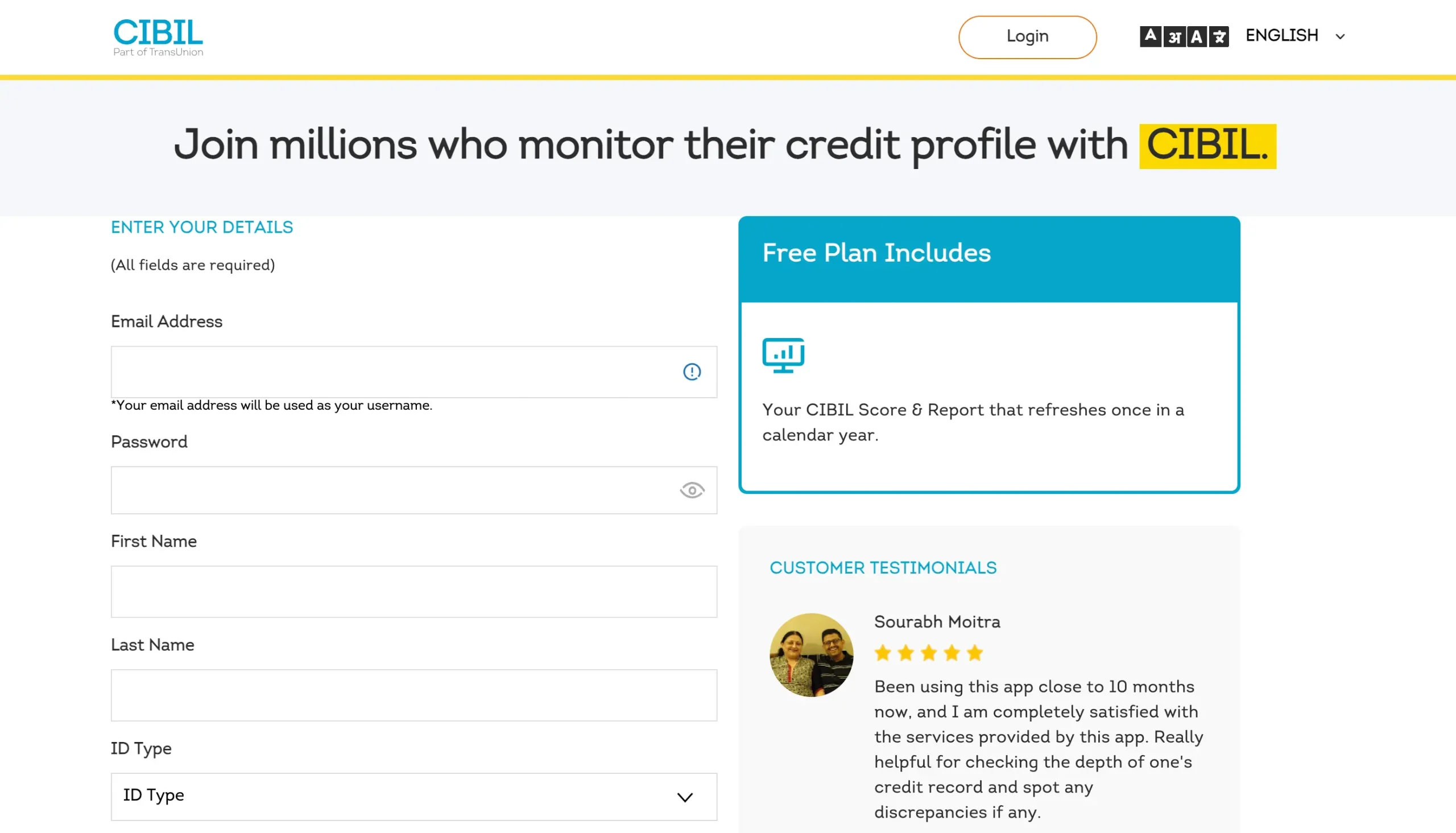
- Click on ‘Get Free CIBIL Score and Report’ and fill in the application form with your personal information.
- If you already have a CIBIL account, click on the ‘Log In’ from the homepage.
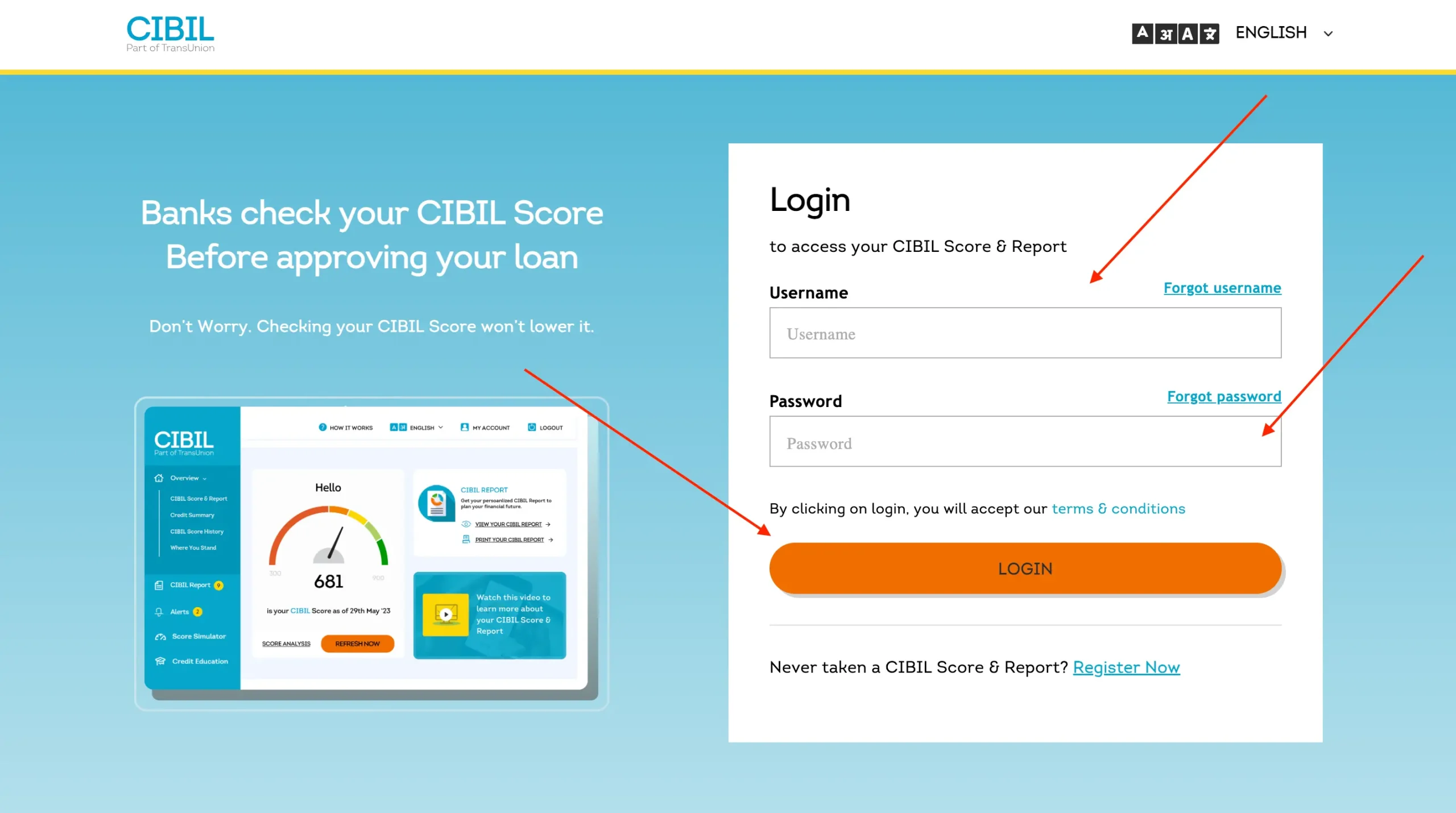
- Enter your username and password.
- Click on ‘Login.’
Note that as per RBI guidelines, you will have access to one free CIBIL Score and Report every calendar year from the CIBIL website or app.
Credit Score & Reports from Different Credit Bureaus
There are various Credit Bureaus in India, such as Equifax, TransUnion CIBIL, and Experian. Although they generate accurate credit reports, sometimes there can be certain minor errors due to the data used by the bureau. These can look like incorrect balances, incorrect account details, etc.
Here are the various steps you can follow to fix these errors in your credit score and report by TransUnion CIBIL.
- Visit the official website of CIBIL.
- Login to your CIBIL account.
- Refresh your CIBIL Score and Report to view an updated report.
- Fill out the ‘Dispute Request Form’ and add your bank account details.
You will receive the response via the respective bank or NBFC.
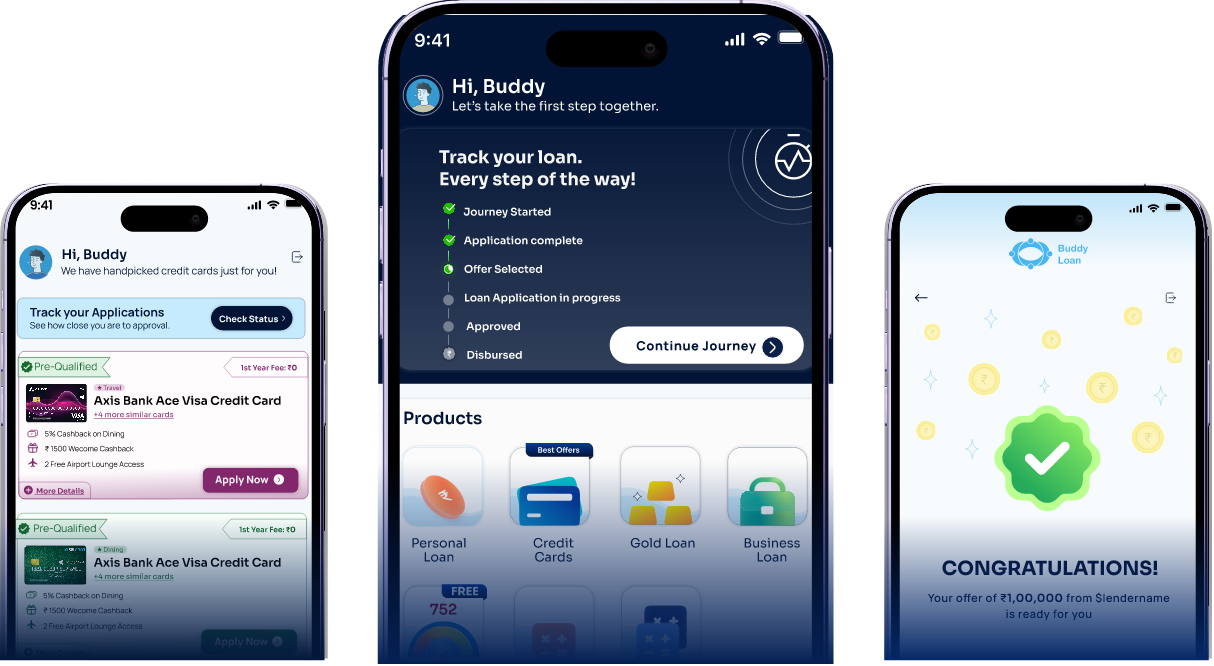
Download the Buddy Loan App Now!
One solution to each of your financial needs at your fingertip.

Scan to download now