
Your credit card balance is the heartbeat of your financial management. It tells you how much you owe, how much credit remains available, and how close you are to your spending limit. Regularly checking this balance helps you plan repayments, prevent over-limit penalties, and maintain a healthy credit score.
Most Indian banks, including SBI, HDFC, ICICI, Axis, and Kotak Mahindra, offer multiple online and offline ways to check balances, due amounts, and available credit limits. Whether you prefer using an app, NetBanking, or a quick SMS, knowing how to check your balance puts you in full control of your finances.
Overview of Credit Card Balance Check
Understanding your credit card balance is key to avoiding confusion when your monthly bill arrives. Your total balance is made up of billed and unbilled transactions, and your available limit shows how much you can still spend.
Here’s a breakdown of common terms used in credit card statements.
| Term | Description |
| Credit Card Balance | The total amount you owe to your bank, combining billed and unbilled transactions. |
| Billed Amount | The sum already billed in your monthly statement; this must be paid by the due date. |
| Unbilled Amount | Purchases made after the statement date that will appear in the next billing cycle. |
| Credit Limit | The maximum amount the bank allows you to spend using your credit card. |
| Available Credit Limit | The remaining portion of your credit limit after current spending. |
| Minimum Amount Due | The smallest payment required to keep your account active and avoid late fees. |
| Billing Cycle | The time window (for example, 1st–30th of each month) during which transactions are recorded before generating a bill. |
Importance of Checking Credit Card Balance
Your credit card can be a powerful tool or a financial trap, it depends on how you track and manage it. Regularly checking your balance helps you stay financially disciplined and secure.
- Timely payments: Know your due amount before the deadline to avoid penalties.
- Budget management: Track available credit to prevent overspending.
- Fraud detection: Spot unauthorized transactions quickly and report them.
- Credit score protection: Keep your utilization ratio under 30–40% for a strong credit profile.
- Financial awareness: Understanding billed versus unbilled expenses helps you plan upcoming payments.
A quick balance check can prevent months of financial stress caused by missed or inflated bills.
Bank-Wise Credit Card Balance Check Methods
Every major bank offers a combination of online and offline channels for cardholders to check their balance, track due amounts, and monitor transactions.
The table below highlights how India’s top 10 banks make it easy to view your current balance.
| Bank | Online / App | SMS / Missed Call | Other Methods |
| SBI Card | sbicard.com, SBI Card App | SMS:
BAL <last 4 digits> → 5676791 | Customer Care, ATM, Email Alerts |
| HDFC Bank | NetBanking, MyCards Portal, Mobile App | SMS:
CCBAL <last 4 digits> → 5676712 | EVA Chatbot, Phone Banking, ATM |
| ICICI Bank | ICICI NetBanking, iMobile App | SMS:
IBAL <last 4 digits> → 5676766 | Customer Care (1800 1080), ATM |
| Axis Bank | Axis Mobile App, NetBanking | SMS:
BAL <last 4 digits> → 5676782 | ATM, Customer Care |
| Kotak Mahindra Bank | NetBanking, Kotak 811 App | SMS:
CCBAL <last 4 digits> → 5676788 | Customer Care, ATM |
| RBL Bank | NetBanking, RBL MoBank App | SMS:
BAL <last 4 digits> → 9223366333 | ATM, Customer Care |
| IndusInd Bank | IndusMobile App, NetBanking | SMS:
BAL <last 4 digits> → 5676757 | ATM, Branch Visit |
| Bank of Baroda | BoB World App, NetBanking | SMS:
BAL <last 4 digits> → 8422009988 | Customer Care |
| HSBC Bank | HSBC Mobile App, NetBanking | SMS alerts only | Customer Care |
| Citibank | Citi Mobile App, Citibank Online | SMS alerts only | Customer Care, Email |
Also Read: HDFC My Card | HDFC Credit Card Net Banking
Online and Offline Credit Card Balance Check Methods
You can check your credit card balance anytime using your bank’s online platforms or through offline methods that work even without internet access. Each method offers different levels of convenience depending on how you prefer to bank.
Online Methods
Digital platforms are the fastest and most convenient ways to monitor your credit card balance in real time. They provide immediate updates on your available limit, billed amount, and unbilled transactions.
1. Internet Banking / NetBanking
Most banks let you check your credit card balance directly through Internet Banking.
Steps:
- Log in using your Customer ID and password (IPIN).
- Navigate to Cards, click on ‘Credit Card’ and then click ‘Account Summary’.
- Your available limit, billed amount, and unbilled transactions will appear on the screen.
This method also allows you to download your statement, pay bills, and redeem reward points.
2. Mobile Banking App
Mobile apps make balance checks quick and mobile-friendly.
Steps:
- Open your bank’s official Mobile Banking App and log in securely.
- Tap on the ‘Credit Card’ section from the menu.
- View your outstanding dues, due date, available credit, and even unbilled transactions.
You can also pay your bill or download your statement directly from the app.
3. Dedicated Credit Card Portals
Some banks offer standalone credit card portals, great for users who don’t have a bank account with the same institution.
For example, HDFC Bank’s MyCards Portal doesn’t require a password or NetBanking login.
Steps:
- Visit HDFC MyCards Portal.
- Enter your registered mobile number and verify via OTP.
- View your available balance, due payment, unbilled transactions, and reward points instantly.
This quick-access method is designed for convenience and security on the go.
4. WhatsApp Banking
Many banks now allow balance inquiries through verified WhatsApp numbers.
Steps:
- Send “Hi” to your bank’s official WhatsApp banking number (for example, HDFC Bank – +91 70700 22222, ICICI Bank – +91 86400 86400, SBI Card – +91 90048 00700).
- Choose the Credit Card option.
- You’ll receive instant details such as your outstanding balance, minimum amount due, and due date.
It’s secure, quick, and works 24×7.
Offline Methods
For customers who prefer traditional banking or have limited internet access, offline methods provide equally reliable ways to check balances and payment dues.
1. SMS Banking
The SMS method is one of the simplest ways to check your credit card balance without logging in anywhere.
Steps:
- Send a text message from your registered mobile number in your bank’s specified format.
- SBI Card: BAL <last 4 digits> → 5676791
- HDFC Bank: CCBAL <last 4 digits> → 5676712
- ICICI Bank: IBAL <last 4 digits> → 5676766
- You’ll instantly receive an SMS with your outstanding balance, available limit, and payment due date.
Note: Standard SMS charges may apply depending on your mobile plan.
2. Monthly Credit Card Statement
Every month, your bank sends a detailed credit card statement through email or post.
It lists:
- Total billed amount
- Minimum amount due
- Payment due date
- Reward points and transaction details
Reviewing this regularly helps you stay aware of your spending and avoid missed payments.
3. ATM Enquiry
You can also use your credit card at an ATM to view your balance.
Steps:
- Visit any bank ATM.
- Insert your credit card and enter your PIN.
- Select View Balance or Account Summary.
Your outstanding dues and available credit will appear on the screen.
4. Customer Care / IVR
Banks offer 24×7 customer helplines where you can check your balance after quick verification.
Examples:
- SBI Card: 1860 180 1290
- HDFC Bank: 1800 1600
- ICICI Bank: 1800 1080
Follow the IVR menu prompts or speak to a representative for personalized assistance.
5. Branch Visit
If you prefer in-person interaction, visit the nearest branch of your card-issuing bank. Provide a valid ID and your credit card details to receive your outstanding and available balance from the representative.
Credit Card Balance vs Credit Limit
Cardholders often confuse “balance” with “limit.” They’re related but serve different purposes.
Understanding this distinction helps you avoid credit misuse and maintain a healthy score.
Your credit card balance is the total amount you currently owe to the bank, this includes billed dues, unbilled transactions, and any fees or interest that have accrued. It changes every time you make a purchase or payment.
Your credit limit, on the other hand, is the maximum amount your card issuer allows you to spend. It’s determined by factors like your income, repayment history, and credit score. Exceeding this limit can result in over-limit charges and impact your creditworthiness.
| Aspect | Credit Card Balance | Credit Limit |
| Definition | The total amount owed to the bank, including billed and unbilled spends. | The maximum spending capacity assigned to your credit card. |
| Changes When | Every time you make a purchase, payment, or refund. | Only when the bank revises your limit or upgrades your card. |
| Impact on Credit Score | A high balance raises your credit utilization ratio, lowering your score. | A higher limit improves score potential when used responsibly. |
| Example | If your limit is ₹1,00,000 and you’ve spent ₹30,000, your balance is ₹30,000. | In the same example, your remaining available limit is ₹70,000. |
| What to Do | Keep your utilization below 30–40% of the limit for a healthy credit profile. | Request a limit increase only when your income and repayment capacity rise. |
Why This Difference Matters
- Credit utilization ratio: This is the percentage of your limit you’ve used. For example, spending ₹40,000 on a ₹1,00,000 limit means 40% utilization. Experts recommend keeping it below 30% for a strong credit score.
- Financial flexibility: Knowing your limit helps you plan major purchases without overextending your credit.
- Interest and fees: Carrying a high balance month after month increases interest charges and reduces your ability to borrow further.
Related Topic: All Bank Missed Call Balance Check
Tips to Manage Your Credit Card Balance
Managing your balance wisely prevents debt buildup and improves your long-term financial credibility.
- Pay bills in full: Always clear the total due before the due date to avoid interest.
- Monitor transactions: Check your balance weekly through apps or SMS.
- Enable alerts: Turn on instant SMS/email notifications for all card activities.
- Use EMIs sensibly: Convert large spends to EMIs only if you can manage the tenure.
- Keep utilization low: Spending within 30 to 40% of your limit maintains a strong credit score.
- Check statements regularly: Ensure there are no unauthorized or duplicate charges.
Security Guidelines for Checking Credit Card Balance
Convenience and security must go hand-in-hand when checking your balance. Here are some essential safety tips to protect your account from unauthorized access.
- Always use official bank channels (websites, apps, or WhatsApp verified numbers).
- Avoid public Wi-Fi when logging into banking portals.
- Never share card details, OTPs, or passwords with anyone.
- Regularly update your passwords and PINs.
- Enable two-factor authentication wherever available.
- Report suspicious transactions immediately via your bank’s helpline.
Summary and Key Insights
A credit card balance check gives you instant visibility into your spending, dues, and available credit.
Banks such as SBI, HDFC, and ICICI make this process simple through NetBanking, mobile apps, or SMS.
Understanding the difference between billed and unbilled amounts, keeping utilization below 30%, and staying aware of due dates ensures you remain financially stable and creditworthy. Smart monitoring isn’t about limiting spending, it’s about mastering it.
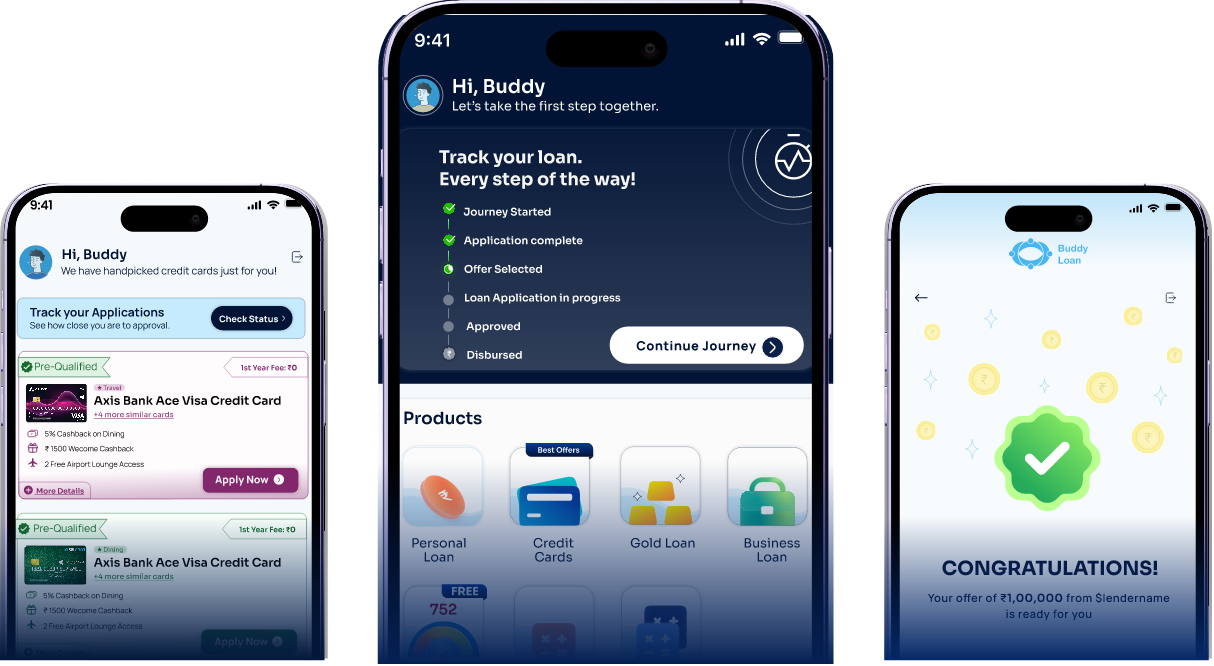
Download the Buddy Loan App Now!
One solution to each of your financial needs at your fingertip.

Scan to download now


Disclaimer:
| The display of trademarks, trade names, logos, and other subject matters of intellectual property displayed on this website belongs to their respective owners. It is not owned by Bvalue Services Pvt. Ltd. Display of such property. Related product information does not imply Bvalue Services Pvt. Ltd. partnership with the owner of the intellectual property or proprietor of such products.
Please read the Terms & Conditions carefully as deemed and proceed at your own discretion. |