Ever wondered why banks are so particular about knowing who your employer is when you apply for a loan? You might be surprised to learn that banks categorize employers and some are definitely more “bank-friendly” than others.
When banks refer to “Category A employers,” they’re talking about organizations that are considered stable, reliable and trustworthy. Think top government organizations, large multinational companies (MNCs) or prestigious institutions. If your employer falls into this category, it could mean better loan terms, faster approvals and easier access to credit.
In this blog, we’ll explain what a Category A employer is, why banks love them and how this can work in your favour when you need a loan.


What Is a Category A Employer?
Let’s start with the basics: what exactly is a Category A employer?
In simple terms, Category A employers are companies or organizations that banks consider highly stable and trustworthy. These employers generally have strong financial backing, a good credit history and a reputation for being consistent. This makes them low-risk in the eyes of banks.
So, what types of employers fall under Category A? Here are a few common examples:
- Government Jobs (state and central government employees)
- Public Sector Undertakings (PSUs) like ONGC, BHEL, SAIL
- Multinational Companies (MNCs) like Google, Microsoft and others in tech, finance and consulting
- Top Educational Institutes like IITs and IIMs
- Reputed Banks and Financial Institutions such as HDFC, ICICI, SBI
These employers are trusted because they typically offer stable, long-term employment and are less likely to face financial instability. Plus, it’s easier for banks to verify your employment status with these firms since they follow clear payroll and documentation practices.
Also Read: Personal Loan For Salaried Employees
Why Banks Prioritize These Jobs
Now that we know what a Category A employer is, let’s dig into why banks prefer employees from these employers when it comes to loans.
- Stability Equals Lower Risk
Banks love stability and that’s exactly what Category A employers offer. Employees from these organizations are seen as low-risk borrowers because their jobs are secure and their income is predictable. For banks, this means there’s a much lower chance of loan default.
For example, a government employee with a steady monthly salary is seen as far less risky than someone whose income fluctuates.
- Easy Documentation and Verification
Banks need clear, reliable paperwork to approve your loan and Category A employers make this process smoother. Since these companies maintain proper salary records, employee verification is much quicker. For example:
- Salary slips are easy to obtain and standardized.
- Provident fund (PF) records show long-term employment history.
- Employment letters from such employers hold a lot of credibility.
With this solid documentation in hand, banks feel more confident about your loan application.
- Strong Creditworthiness
Category A employers are usually known for their good financial health. This often reflects on their employees, who are seen as financially disciplined and more likely to repay loans on time. Having a strong employer behind you gives banks a sense of reliability and credibility.
Loan Benefits Specifically for Category A Employees
So, what does being employed by a Category A employer really mean for you when it comes to loans?
Let’s break it down Category A employees enjoy some pretty awesome benefits that others might not get.
- Lower Interest Rates
Banks often offer lower interest rates to employees of stable, reputable companies. Since banks see you as a low-risk borrower, they’re willing to charge you less interest on your loan. Over time, this can save you a lot of money, especially on bigger loans like home loans or car loans.
- Waiver on Processing Fees
In many cases, banks may waive or reduce processing fees for employees of Category A employers. Processing fees are usually a percentage of the loan amount, so getting these waived means you’re effectively paying less money upfront. This can add up to a significant amount, particularly on large loans.
- Higher Loan Eligibility
Banks tend to be more generous with loan amounts for Category A employees. This is because they trust the stability of your employment and your consistent income. For example, if you work at a major MNC or government organization, you might find that you qualify for a larger loan than someone with the same income but a different employer.
- Faster Loan Approvals
Faster processing times are another big perk. Since banks have clear records of your employment and income, they don’t need to spend as much time verifying your details. This means you can often get your loan approved and disbursed much quicker than others.
- Special Schemes and Corporate Tie-Ups
Many lenders offer special loan schemes or corporate tie-ups for employees of Category A employers. For example, your company might have a partnership with a bank that provides you with exclusive loan offers, like lower rates, flexible terms or higher eligibility.
Also Read: CIBIL Score for Personal Loan

Supporting Examples (Real Scenarios)
Let’s take a look at some real-world examples to show how being employed by a Category A employer can benefit you when applying for a loan.
- A Teacher at a Reputable School
Imagine a teacher working at a well-known CBSE or IB-affiliated school. The school is a Category A employer in the eyes of banks because it’s financially stable, widely recognized and has a long history.
- Loan Benefits: The teacher gets lower interest rates on a personal loan, quick approval for a car loan and the possibility of higher loan eligibility compared to a teacher at a smaller, less stable school.
- A PSU Bank Employee
Public sector undertakings (PSUs) like SBI, Bank of Baroda or ONGC are major employers categorized as Category A due to their size, financial strength and government backing.
- Loan Benefits: An employee at any of these banks may receive exclusive offers from other banks, waivers on processing fees and better terms on home loans. They are considered more financially reliable, making it easier for them to secure a loan with minimal paperwork.
- An IT Professional at a Leading MNC
Consider an IT professional working for a top-tier company like Google, Microsoft or TCS. These MNCs are Category A employers because they are stable, internationally recognized and have a solid financial reputation.
- Loan Benefits: The IT professional would likely enjoy easy approval for personal loans, higher loan amounts and faster processing. Banks recognize their income stability and long-term employment prospects, making them ideal candidates for loans.
Also Read: Good Credit Score
How You Can Use Your Employer Category to Your Advantage
Now that you know why banks love Category A employers, it’s time to take full advantage of your position. Here’s how you can leverage your employer status when applying for loans:
- Negotiate for Better Rates
Just because you’re offered a loan doesn’t mean you have to accept the initial terms. If you work for a Category A employer, you can negotiate for lower interest rates. Banks know that employees of stable companies are low-risk borrowers, so they may be open to offering you a better deal.
- Pro tip: If you’ve been with your company for several years and have a strong track record, don’t hesitate to ask for a discount on your loan’s interest rate.
- Leverage Your Salary Account Relationship
If your salary is credited to a bank account with a particular lender, they may offer you special loan rates or pre-approved offers. This is a benefit you get for being an existing customer. Banks are more likely to trust borrowers they already have a relationship with.
- Pro tip: Speak to your bank about their exclusive loan products for salaried individuals or Category A employers. You might get access to special rates or offers.
- Get Pre-Approved Offers
Pre-approved loans are one of the biggest perks for employees of Category A employers. Some banks have tie-ups with top companies or government organizations, offering employees easy access to pre-approved loans. These offers usually come with lower interest rates, faster processing times and minimal documentation.
- Pro tip: Stay updated on any pre-approved loan offers your employer may have negotiated with banks or financial institutions.
- Access to Corporate Tie-Ups
Many large companies have corporate tie-ups with banks, giving their employees access to exclusive loan offers. These offers can include reduced processing fees, flexible repayment terms and higher loan eligibility.
- Pro tip: Check if your employer has any corporate loan partnerships with banks and make sure you’re taking full advantage of them.
Your Category A employer status is a valuable tool in getting favourable loan terms. By leveraging your employer’s reputation, your existing relationship with banks and pre-approved offers, you can ensure that you get the best deal available.
What if You Don’t Fall into Category A?
Not everyone works for a Category A employer and that’s okay! While being employed at a top-tier company can make things easier, it doesn’t mean you’re out of luck when it comes to getting a loan. There are other ways to strengthen your loan application and still secure a great deal.
- Use Collateral to Secure Your Loan
If you don’t fall into the Category A bracket, you can still secure a secured loan by offering collateral. This can be anything valuable, like your property, vehicle or gold. Offering collateral reduces the bank’s risk and it can also help you get a loan with lower interest rates.
- Bring in a Guarantor or Co-Applicant
If you don’t have a Category A employer, you can add a guarantor or co-applicant who has a strong financial background. This could be a family member or close friend who works for a Category A employer. With them on board, the bank will have additional assurance that the loan will be repaid.
- Highlight Your Creditworthiness
Even if your employer is in a different category, your credit score plays a crucial role in your loan eligibility. If your credit score is above 750, it will help you stand out to lenders as a trustworthy borrower. Keep your credit score healthy by paying bills on time and reducing outstanding debt.
- Show Consistency in Your Income
If you’re a self-employed individual or work in a smaller company, banks will look at your consistent income over time. Providing them with bank statements showing regular cash flow can help boost your chances. The key is to show that your income is stable, even if it’s not coming from a Category A employer.
- Consider Alternative Lenders or Platforms Like Buddy Loan
Even if you don’t work for a Category A employer, NBFCs (Non-Banking Financial Companies) and fintech platforms like Buddy Loan are more flexible when it comes to evaluating loan applications. They look at a combination of factors like income stability, credit score and financial habits rather than just your employer’s category.
So, even without a Category A employer, there are multiple ways to make your loan application attractive to banks. It’s all about showing financial discipline, providing security and highlighting your strengths.
Final Thoughts
While being employed by a Category A employer definitely gives you a head start when applying for loans, it’s not the only path to financial success. Banks love Category A employers because they offer stability, low-risk borrowers and easy-to-verify documentation. However, if your employer isn’t in that category, don’t worry; there are still plenty of ways to make your loan application stand out.
By offering collateral, adding a guarantor, maintaining a strong credit score and showcasing income consistency, you can still unlock great loan deals. And with the help of fintech platforms like Buddy Loan, you can access loans that fit your profile, regardless of employer category.
In the end, loan eligibility isn’t just about where you work; it’s about how you manage your finances and how you present yourself to lenders.
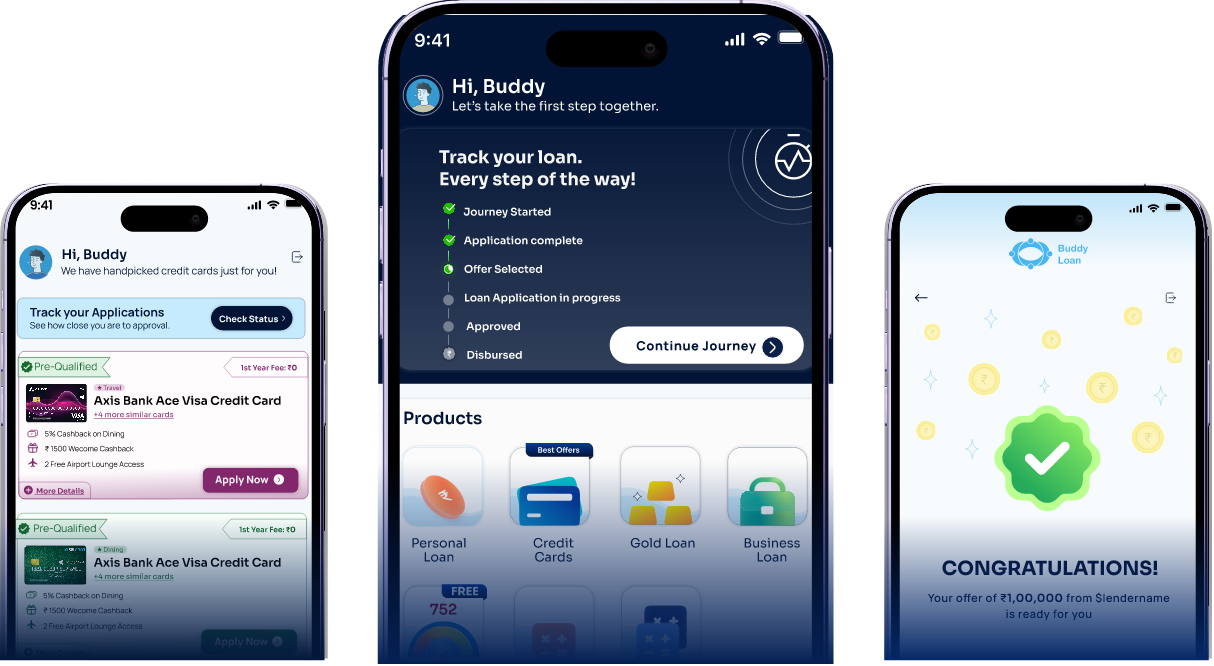
Download the Buddy Loan App Now!
One solution to each of your financial needs at your fingertip.

Scan to download now