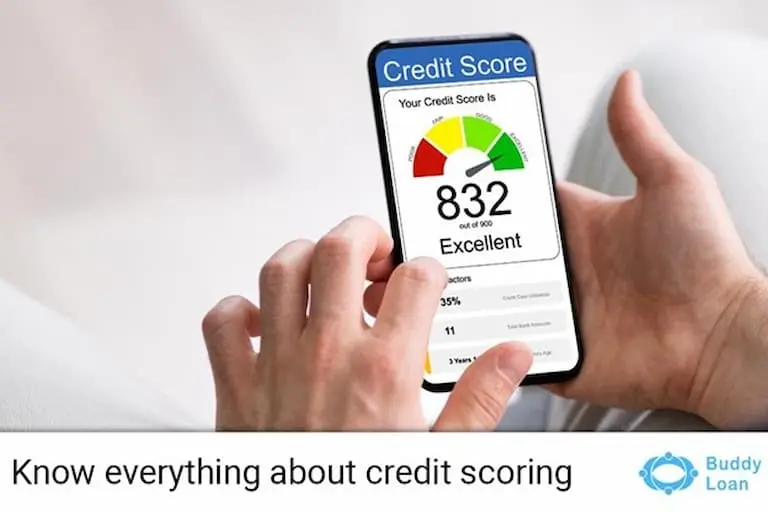
You must have heard a lot about credit scores because being aware of the information is as important as building one. Moreover, it is good to assess your creditworthiness for a better customer value and experience. Your credit score tells a lot about your transaction and spending habits and provides you with the opportunities to grow financially.
What is Credit Scoring?
Measure a person’s capacity to borrow money for mortgages, vehicle loans, and other loans. Its scoring is a statistical study used by lenders and financial institutions in a similar context. They take the help to determine a person’s or a small owner-operated business’s creditworthiness.
How does a Credit Score Help?
Evaluates Your Customer Value:
In general, lenders such as banks and NBFCs check your credit when you make any loan inquiry. They see if you can financially repay the loan on time, It will assist them in making that decision. Reflects your customer value, proving your creditworthiness.
Buddy loan personal loan prioritize its services entirely according to consumer preferences.
Also Read : Interesting Things About The Credit Score You Must Know!!
Manages The Correlation Between You And The Lender
Being consistent with your credit keeps you reliable and trustworthy with the ongoing existing relationships with the lender. It excites your chances of getting other loans and maintains a good impression.
Allows You To Negotiate The Interest Rate
Having a credit score has several advantages, but an excellent credit can favor you with getting affordable interest rates. Aside from this, you may attract a lot of great offers and deals provided by banks or lenders during festival seasons.
Regularly checking your credit will assist you in keeping track of your financial activities.
What Are Credit Ratings?
Credit rating is an individual’s quantified assessment of the creditworthiness in general terms of obeying financial obligation. It determines whether a borrower is eligible for credit and the interest rate.
Individuals and small, owner-operated enterprises receive credit whereas corporations and governments receive credit ratings. Lenders use credit ratings to assist them in deciding whether to extend or deny credit.
How Does Credit Scoring Work?
The models may differ slightly in terms of how credit works. The FICO is the most extensively used credit scoring system globally, with over 90% of prominent lenders using it. Whereas Vantage, developed by the leading three credit-reporting agencies: TransUnion, Experian, and Equifax, is another popular credit scoring methodology
Lenders use credit scoring in risk-based pricing, which determines the terms of a loan. It may include the interest rate offered to borrowers based on the likelihood of payback.
These five factors measure a person’s credit score:
Customer’s payment history: 35 % of your total score measures your payment history. On-time payments will help you improve, and however late or missed payments might cost you in point degradation.
Customer’s credit utilization: The percentage of available credit utilized refers to credit utilization, and this element is responsible for 30% of your score calculations.
Customer’s credit life: The credit age or credit life accounts for the average length of time someone has used. The greater a person’s credit age, the better. This component is responsible for 15% of credit score evaluations.
Types of credit used by customers: Credit scoring also considers the sorts of credit a person has, such as installment loans vs revolving credit. This credit mix accounts for 10% of credit score calculations.
Credit inquiries made by the customer: 10% of the data amounts for the past questions the customer has made so far regarding the loan applications or credit requests.
Conclusion
Credit scoring has become popular among people for their credit-related future queries. Today, more advanced methods of credit risk modeling and structural models continue to refine the accuracy of credit risk modeling scientifically. When we need personal loans, we can get a quick personal loan with the help of many online platforms.
Buddy Loan offers you a thoroughly modern, practical personal loan choice in this fast-expanding digital age. There are no extensive paperwork requirements, quick processing times, and low-interest rates with no prepayment penalties. Borrow up to 5 lakh in personal loans without collateral and send them to your bank account in minutes.
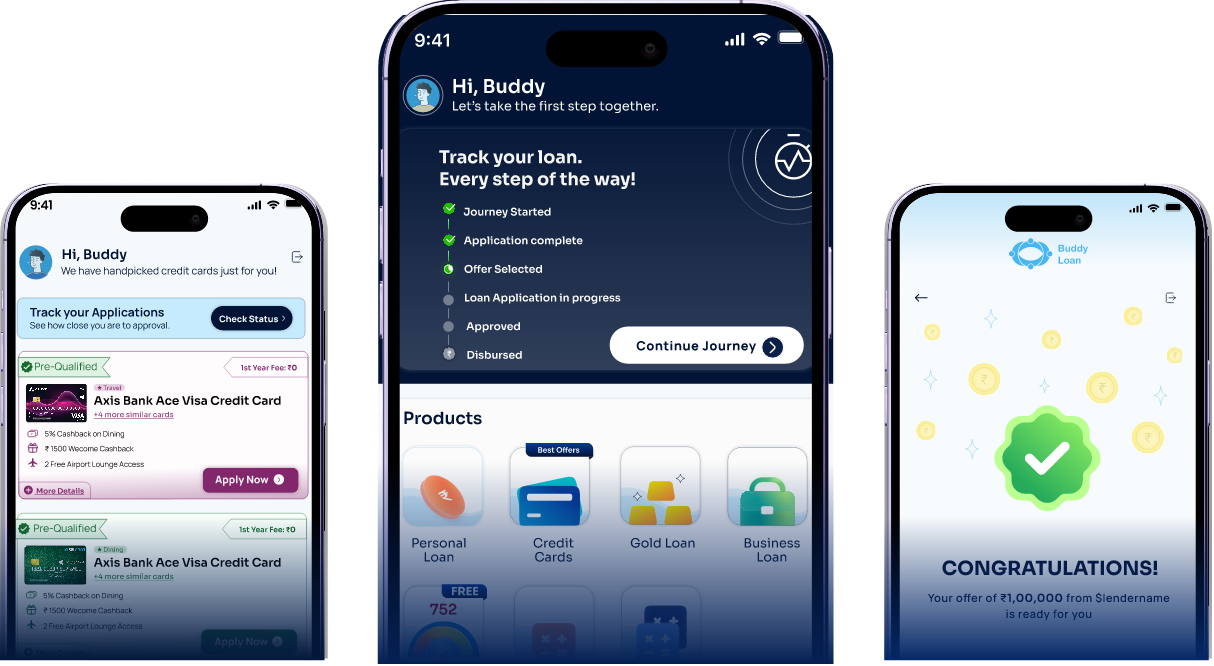
Download the Buddy Loan App Now!
One solution to each of your financial needs at your fingertip.

Scan to download now


Frequently Asked Questions
Q. What is a credit score?
A. A credit score is simply a three-digit numeric representation of your credit history, from 300 to 900. Credit rating and past payment behavior reflect your creditworthiness that you have duly paid off your financial obligations on time.
Q. What is one of the most significant disadvantages of credit scoring?
A. Credit scoring unquestionably assigns a score to a borrower’s credit riskiness, but it does not provide an assessment of the likelihood of default. It simply rates the riskiness of a borrower on a scale of one to ten. This inability of credit scoring to explicitly consider current economic situations is one of its major disadvantages.
Q. Is credit scoring and credit rating the same thing?
A. No. Credit rating and credit scoring are not the same things. Credit scoring is one of the three major credit agencies that use different scoring methods to illustrate an individual’s credit relationship, and scores will vary between them. Whereas, credit rating determines the interest rate for repayment and whether or not the borrower is qualified for credit or debt problems.
Q. What is meant by a good credit score?
A. A good credit score implies a 700 or more. Such a score is significant in getting an approved loan or credit request