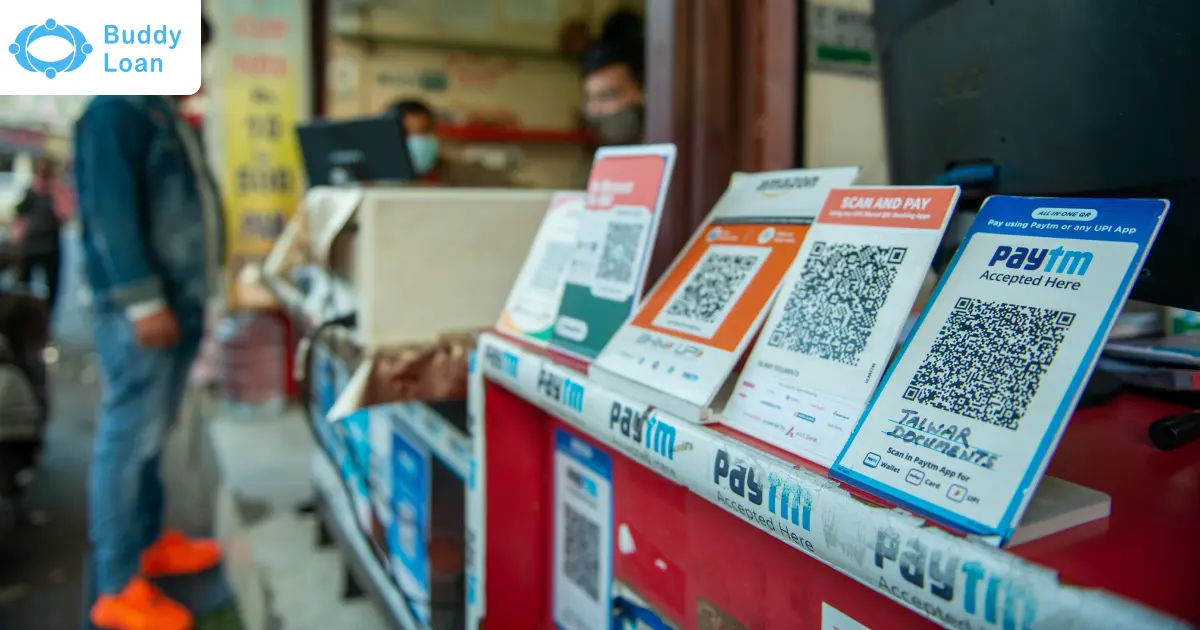
In a fast-paced world of digital transactions, UPI (Unified Payments Interface) has become a household name, simplifying the way we move money. UPI offers unmatched convenience and security, making it a preferred choice for millions of users in India.
From understanding daily and monthly transaction limits to uncovering strategies for managing them effectively, this blog will equip you with the knowledge you need to make the most of your UPI transactions.
Understanding UPI Transaction Limits
Unified Payments Interface (UPI) is a real-time payment system developed by the National Payments Corporation of India (NPCI). It allows users to transfer money between bank accounts using their smartphones and a UPI-enabled app. The appeal of UPI lies in its ease of use, accessibility, and robust security measures.
At the heart of UPI transactions are the limits, which every user should be familiar with to make the most of this incredible platform.

UPI Daily Transaction Limit
The daily transaction limit is the maximum amount you can transfer through UPI in a single day. This limit can vary depending on your bank and the type of account you hold.
For most users, daily transaction limits typically range from Rs. 1 lakh to Rs. 2 lakhs. It’s crucial to verify this limit with your bank as it can influence your daily financial activities significantly.
UPI Per Transaction Limit
Per transaction limit refers to the maximum amount you can transfer in a single transaction. Like the daily limit, this limit typically falls within the range of Rs. 1 lakh to Rs. 2 lakh. These limits exist to ensure that single transactions remain secure and manageable.
UPI Monthly Transaction Limit
Apart from the daily transaction limit, banks impose a monthly transaction limit to prevent users from exceeding a specific sum in a given month. The monthly transaction limit usually ranges from Rs. 5 lakhs to Rs. 10 lakhs, depending on the bank. This ensures that even if you reach your daily limit multiple times within a month, you won’t surpass the total monthly cap.
Number of Transactions Limit with UPI
In addition to monetary limits, UPI transactions are also subject to a cap on the number of transactions you can perform in a single day. This limit, often overlooked, can vary significantly from bank to bank but typically ranges from 10 to 20 transactions per day.
Keeping track of your transaction count is essential to ensure you don’t inadvertently exceed this limit.

Importance of UPI Transaction Limits
Now that we’ve covered the basics of UPI transaction limits, let’s understand the reason behind their necessity:
- Security: UPI transaction limits are primarily in place to enhance the security of digital payments. By restricting the amount that can be transferred in a single transaction or within a day, they serve as a crucial safeguard against large unauthorized transactions.
- Money Laundering Prevention: To prevent illicit financial activities such as money laundering and fraudulent transactions, authorities have implemented transaction limits. These limits help monitor and detect suspicious activities, making it more challenging for bad actors to move substantial sums of money undetected.
- Risk Mitigation: UPI transaction limits mitigate the financial risks associated with digital transactions. In the unfortunate event of a security breach or fraud, users are protected from substantial losses due to these limits.
- User Convenience: Beyond security and risk management, transaction limits are designed to ensure user convenience. They help users stay within their intended spending limits and avoid inadvertently transferring larger sums than they intended.
Also Read: Common Types of UPI Frauds & Ways to Avoid Them
Managing UPI Transaction Limits
Understanding UPI transaction limits is only the first step. To make the most of your digital payments,ensure you stay aware of all the rules and consider the following strategies:
Increasing UPI Transaction Limits
- Contact Your Bank: If you need a higher transaction limit, reach out to your bank and inquire about the process for increasing your UPI transaction limits. Banks often have provisions for account holders to request limit increases.
- KYC Verification: Many banks offer higher transaction limits to users who have completed a full Know Your Customer (KYC) verification process. Ensure your KYC is up to date to be eligible for higher limits.
- Account History: Maintaining a stable and long account history with your bank can be a factor that allows you to request higher transaction limits. Demonstrating a responsible financial history can work in your favour.
Understanding the Weekly Cycle
- Be aware that UPI transaction limits reset at the end of each day. If you have reached your daily limit, you can make additional transactions after the reset.
- Understanding this cycle allows you to manage your finances effectively within the prescribed limits.
Leveraging Multiple Accounts
- If your transaction needs exceed the limits of a single account, consider linking multiple bank accounts to your UPI app.
- This allows you to distribute your transactions across multiple accounts while staying within individual account limits.
Setting Payment Reminders
- To make the most of your daily limits, set reminders for recurring transactions such as bill payments, rent, and investments.
- This proactive approach ensures you can manage your funds efficiently while maximising your daily transaction capacity.
Some Common Cases of Frequent Transactions
UPI transactions have become an integral part of our daily lives. Understanding your transaction limits is crucial in various scenarios, including:
- Online Shopping: UPI has become a preferred choice for online shoppers due to its seamless and secure payment process. Knowing your UPI limits is crucial when making big-ticket purchases.
- Bill Payments: Whether it’s utility bills, credit card payments, or EMIs, UPI is a hassle-free way to pay your bills. Understanding your limits ensures you can manage these transactions effectively.
- Peer-to-Peer Transactions: Splitting bills with friends or transferring funds to family members is easy with UPI. Knowing your daily and per-transaction limits helps you manage such transactions efficiently.
- Investments: If you’re investing in mutual funds, stocks, or other financial instruments through UPI, you need to be aware of your transaction limits.
- Merchant Payments: When making payments at retail stores or restaurants, it’s essential to understand the limits on your UPI transactions.
Also Read: UMRN Full Form
Conclusion
Unified Payments Interface (UPI) has revolutionised the way we handle financial transactions. However, to make the most of UPI’s convenience and security, it’s crucial to understand and manage your UPI transaction limits.
Whether you need to increase your limits or maximise the existing ones, staying informed is the first step toward hassle-free digital payments.
Understanding and effectively managing your UPI transaction limits, can make the most of this remarkable digital payment platform while ensuring the security of your financial transactions.
Download the Buddy Loan App Now!
One solution to each of your financial needs at your fingertip.

Scan to download now


Frequently Asked Questions
Q: What is the maximum amount you can transfer through UPI?
A: The maximum amount you can transfer through UPI varies depending on your bank and account type.
Q: How much money can I transfer through UPI in a day?
A: Most banks set the daily limit in the range of Rs. 1 lakh to Rs. 2 lakhs. To know your specific daily transaction limit, it’s advisable to contact your bank.
Q: How often can you make UPI transactions?
A: You can make UPI transactions as often as you like, as long as you stay within the daily and monthly transaction limits imposed by your bank.
Q: What are the different types of UPI transaction limits?
A: UPI transaction limits come in various forms:
– Daily Transaction Limit
– Per Transaction Limit
– Monthly Transaction Limit
– Number of Transactions Limit