Imagine making a payment by just looking at your phone, no PINs, no OTPs. That future is closer than you think.
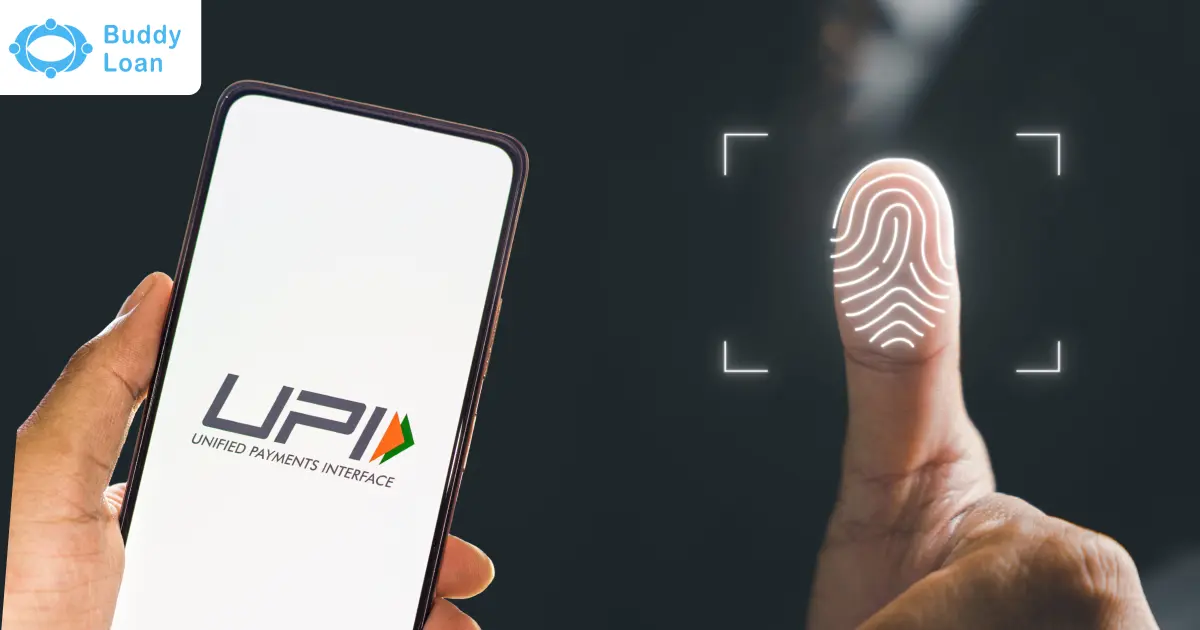
India’s digital payments ecosystem is on the verge of a major upgrade. The National Payments Corporation of India (NPCI) is working on enabling facial recognition and fingerprint-based authentication for UPI transactions. This move could soon make typing in a PIN optional for millions of users, bringing greater security, faster checkouts and ease of access, especially for those who struggle with digital interfaces.
With UPI now processing over 18 billion transactions a month, this upgrade could redefine how Indians experience everyday payments, making them as seamless as unlocking a smartphone.
NPCI to Change PINs to Facial Recognition
The NPCI’s initiative is centered on using biometric authentication, facial recognition, and fingerprint scans as an alternative to entering a UPI PIN. Here’s what’s in the works:
1.Biometric UPI Payments
- Users will be able to authorize payments using their face or fingerprint, similar to unlocking a smartphone.
- Users will no longer need to enter a PIN for most payments, making the checkout process much quicker and smoother.
2.Device-Based Security
- The biometric information remains securely on your personal device rather than being uploaded to a central database.
- This ensures higher privacy and a lower risk of large-scale breaches.
3.Pilots Already Live
- Initiatives like Federal Bank’s SmilePay have begun piloting face-authenticated payments using Aadhaar-linked accounts.
- These pilots are currently limited to select merchant outlets but hint at what’s to come.
4.Choice Stays with You
- Biometric verification will be optional, not mandatory.
- Users who prefer entering a PIN will still be able to use the current system.
This system isn’t just a technical upgrade; it’s a complete rethink of how security, convenience, and inclusion intersect in digital payments.

Why Is NPCI Making This Shift?
India’s booming digital payments space needs more than just convenience; it needs security, speed, and inclusion. NPCI’s push toward biometric authentication tackles all three:
1. Strengthening Security
- PINs can be guessed, stolen, or phished. Your face or fingerprint is uniquely yours and can’t be easily duplicated.
- With UPI frauds on the rise, this offers a stronger defense against scams and unauthorized transactions.
2. Faster, Smoother Payments
- No more entering PINs or waiting for OTPs.
- Biometric approval is instantaneous, ideal for crowded shops, quick checkouts, and fast-paced digital lifestyles.
3. Better Access for Seniors & Rural Users
- Millions in India struggle with remembering PINs or navigating complex apps.
- Face/fingerprint scans mean less friction, helping elderly users and those in rural areas adopt digital payments with ease.
4. Keeping Up with Global Innovation
- Countries like China are already leading in face-scan payments.
- This move positions India at the forefront of secure, inclusive and smart fintech systems.
Facial-recognition-based UPI is more than a tech upgrade it’s a leap toward a more secure and inclusive digital future.”

Get Personal Loan Online Up to ₹35 Lakhs
By entering your number, you're agreeing to Terms & Conditions & Privacy Policy.
Will Biometric UPI Work?
NPCI’s facial recognition and fingerprint-based UPI system is designed to be simple, secure and optional; you choose how to pay.
1.User Flow: What It Looks Like
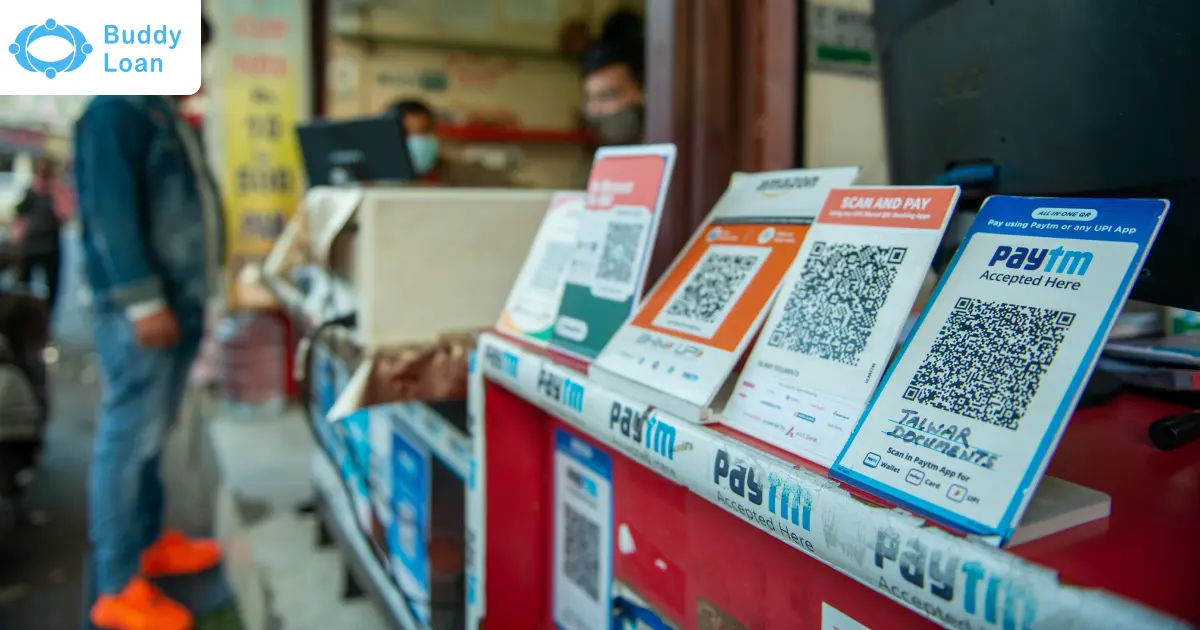
- At payment counters, users will scan a QR code as usual to initiate the transaction.
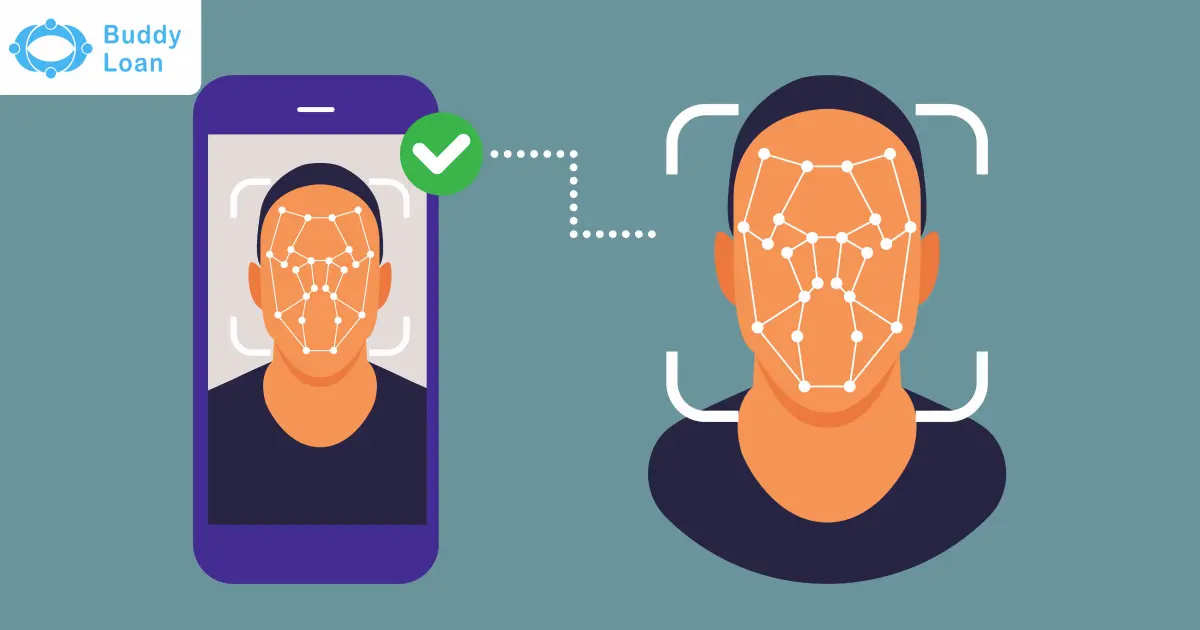
- Instead of entering a PIN, your phone scans your face or fingerprint.
- Your identity is verified using Aadhaar-linked data or your device’s secure biometric store.
- Payment is approved, no typing, no delay.
2. Switch Between PIN & Biometrics
- Prefer using a PIN? You still can.
- Biometrics are optional, giving users full control over their security preferences.
3. Privacy by Design
- Your biometric data (face/fingerprint) stays on your device; it’s not uploaded or stored centrally.
- Only a secure, encrypted key is shared for authentication.
- NPCI is integrating this with popular apps like BHIM, Google Pay, PhonePe and Paytm in phases.
This system gives you bank-level security with smartphone convenience, combining Aadhaar-backed identity with seamless user experience.
Privacy & Security Concerns: What’s Being Done to Protect You
Biometric tech sounds exciting, but it also raises serious questions about safety and privacy. NPCI says it’s taking no chances.
1.Your Face, Your Data: Not Stored Anywhere
- No raw biometric data (like your face photo) is sent to banks or stored in the cloud.
- Instead, your phone creates a secure, encrypted key using your face or fingerprint.
- A one-time encrypted key verifies your payment and is immediately deleted after use.
2.Decentralized by Design
- NPCI is using a “privacy by design” model.
- Biometric checks are handled locally on your phone, ensuring no sensitive data is sent to centralized systems.
- This protects against mass data leaks or hacking risks tied to centralized systems.
3.Anti-Fraud Measures
- >Built-in liveness detection prevents spoofing (like using a printed photo or video to trick the system).
- Devices must detect real-time movements, like blinking or face tilt, to approve payments.
4.Your Consent Matters
- Biometric UPI is strictly opt-in; you must give clear permission before enrollment.
- You can always revert to PIN-based payments if you change your mind.
This layered approach ensures you’re not just getting convenience, but also protection, transparency and choice.
Timeline to See Biometric UPI in Action
While the tech is still in development, major steps toward implementation are already underway.
1.Demonstration Coming Soon
- The system is set to be unveiled publicly during the 2025 Global Fintech Fest before a nationwide rollout.
- This will act as a proof of concept, showcasing real-time transactions using face and fingerprint ID
2.Pilot Programs & App Updates
- By the end of 2025, apps such as BHIM, PhonePe, and banks including Federal Bank are expected to support biometric UPI
- Features will be tested in limited markets first before a national rollout.
3.Behind the Scenes
- NPCI has already shared technical specs with banks and fintech partners.
- Feedback is being gathered to ensure smooth integration across different devices and platforms.
4.Regulatory Approval in Progress
- Final go-ahead requires clearance from:
- Reserve Bank of India (RBI)
- NPCI’s internal steering committees
- Other payment ecosystem stakeholders
Expect a gradual rollout from end-2025 into early 2026, with wide availability to follow based on performance, user response, and infrastructure readiness.
Key Benefits of Facial Authentication
The upcoming facial recognition system isn’t just about new tech; it’s about making everyday payments better, safer, and easier for all kinds of users.
1.No More PIN Fatigue
2.Speed at Checkout
- Tap, scan, done , UPI payments in seconds, with no need for OTPs or PINs.
- A game-changer for busy retail counters and digital payments on the go.
3.Stronger Fraud Protection
- Your face and fingerprint can’t be guessed or stolen like a PIN.
- Especially useful in protecting against scams and unauthorized “collect” requests.
4.Better Accessibility
- For seniors, rural users, and anyone who struggles with tech , this means less friction and more inclusion.
- Biometric scans are intuitive and don’t require typing or tech skills.
5.User Choice First
- Prefer to stick with your PIN? No problem.
- Biometric UPI is optional, not mandatory, giving you full control over your payment method.
This upgrade could redefine India’s digital payments, making them not just smarter but truly people-first.
Privacy, Consent & Security, Is It Safe to Use Face for Payments?
One of the biggest questions users have is, “Is my biometric data safe?” The good news? NPCI has designed this system with privacy and security as a core priority.
1.On-Device Biometric Matching
- Your face or fingerprint is verified on your phone, not on a central server.
- This means your biometric data never leaves your device.
2.Encryption by Design
- Rather than saving your actual face or fingerprint scan, the system converts it into a secure, encrypted code used only for that transaction.
- Only the encrypted version is sent to your bank, never the original scan.
3.Consent-First Approach
- Biometric verification is optional.
- You must actively opt in and can switch back to PIN anytime.
4.Anti-Spoofing Tech
- To stop fake attempts like showing a photo or video, NPCI is adding technology that checks if a real, live person is in front of the scanner.
- Only real-time, live faces and fingerprints will be accepted.
5.Legal and Ethical Oversight Needed
- India currently lacks a specific law for facial recognition in payments.
- Experts recommend that clear rules and safeguards be put in place before nationwide rollout.
So while the technology is secure, regulatory clarity and transparency will be essential to build trust and avoid misuse.
Final Take
India’s digital payment revolution is about to get even more inclusive and intuitive.
With NPCI leading the charge, facial recognition for UPI is no longer just a tech experiment; it’s poised to become a nationwide reality. The move from PINs to biometrics reflects India’s larger mission: building a secure, fast and inclusive financial ecosystem that works for everyone.
Whether you’re buying groceries or paying bills, the future of payments might just be a smile away.
Download the Buddy Loan App Now!
One solution to each of your financial needs at your fingertip.

Scan to download now