India’s digital payment ecosystem is transforming rapidly, and in line with this transition, the State Bank of India (SBI) has officially announced the discontinuation of its mCASH (Sending & Claiming) service. This service will no longer be available on OnlineSBI and YONO Lite after November 30, 2025. Customers are encouraged to shift to modern digital payment solutions such as UPI, IMPS, NEFT, and RTGS, which offer greater security, speed, and convenience.
SBI mCASH Service Overview
SBI mCASH was an instant, simplified money transfer service that allowed users to send funds without registering a full beneficiary. All a sender needed was the receiver’s mobile number or email ID, making it highly useful for quick, one-off transfers.
Key Features of SBI mCASH
- Instant transfers using only the recipient’s mobile number or email
- No beneficiary registration required
- Nominal charge of ₹2.50 per transaction
- Recipient-side flexibility: They could claim the funds in any bank account
- Secure claiming system using an 8-digit passcode
- Claim via OnlineSBI or the State Bank mCASH mobile app
- Option to save IFSC + account number as favorite claim details
This service acted as a bridge for users who needed fast transfers before UPI became mainstream.

SBI mCASH Discontinuation Highlights
Here is a quick overview of SBI’s mCASH shutdown.
| Particulars | Details |
|---|---|
| Service Discontinued From | December 1, 2025 |
| Last Working Day | November 30, 2025 |
| Platforms Affected | OnlineSBI + YONO Lite |
| Service Being Removed | mCASH Sending & Claiming facility |
| Reason for Discontinuation | Outdated technology, rise of UPI/IMPS |
| Recommended Alternatives | UPI, IMPS, NEFT,RTGS |
| Transaction Fee Earlier | ₹2.50 per transfer |
Why SBI is Discontinuing the mCASH Service
With digital payments evolving at an unprecedented rate, SBI has decided to phase out services that no longer align with modern customer needs.
Reasons Behind the Shutdown
- Outdated Technology: mCASH was built for a pre-UPI era, and newer systems have surpassed it in speed, security, and ease.
- UPI’s Dominance: UPI has become the default solution for instant money transfers, offering unmatched simplicity through mobile number, QR codes, and UPI IDs.
- Enhanced Security Standards: Modern digital transfer modes come with multi-layer authentication, better encryption, and real-time fraud monitoring.
- Operational Streamlining: SBI aims to consolidate and simplify its digital payment infrastructure by retiring underutilized or legacy features.
Simply put, UPI and IMPS have become the highways of digital payments, making mCASH the older byroad that no longer fits today’s needs.
What SBI Customers Should Do Before November 30, 2025
To avoid service disruption, customers who use the mCASH facility should take timely steps before the cutoff date.
Steps to Take Before Discontinuation
- Claim any pending mCASH transfers
- Inform friends/family who rely on the feature
- Shift your recurring transfers to UPI/IMPS/NEFT
- Ensure your mobile number and bank account are linked for UPI
- Download/activate SBI’s UPI app (BHIM SBI Pay) or YONO
Being proactive ensures seamless transition without any payment delays.

Digital Payment Alternatives After SBI mCASH
Once mCASH is discontinued, customers have multiple modern, secure, and widely accepted transfer options. Here’s an overview for clarity.
- Unified Payments Interface (UPI): UPI is the fastest and most popular payment method in India, enabling instant 24×7 transfers using mobile number, UPI ID, or QR code. Supported apps include Google Pay, PhonePe, Paytm, BHIM, YONO, BHIM SBI Pay, and many more.
- Immediate Payment Service (IMPS): IMPS allows instant transfers at any time using account number + IFSC.
Some banks may charge a small fee, but transfers are instant and secure. - National Electronic Funds Transfer (NEFT): NEFT is ideal for scheduled or routine transfers. It works 24×7 and is free in many banks. It requires the recipient’s bank account number and IFSC.
- Real-Time Gross Settlement (RTGS): RTGS is used for high-value transactions processed in real time. Online RTGS is usually free and supports transfers above ₹2 lakh.
These options ensure users continue to enjoy fast and secure digital payments even after mCASH is phased out.
Effects of mCASH Discontinuation on SBI Customers
Understanding the impact helps customers prepare better.
- For Senders: Transfers via mobile/email using mCASH will no longer work after November 30. Users must switch to UPI or IMPS instead.
- For Recipients: Funds sent earlier via mCASH must be claimed before the cutoff date. After the shutdown, claim links will no longer function.
- For Digital Workflow: Users accustomed to mCASH’s simplicity will need to add beneficiaries for IMPS/NEFT or use UPI mobile transfers instead.
Conclusion
The discontinuation of mCASH marks the end of an early innovation in India’s banking ecosystem. Just like upgrading from an old road to a multi-lane expressway, SBI is steering users toward faster, safer, and more efficient payment systems.
By shifting to UPI, IMPS, NEFT, or RTGS, customers can continue to enjoy seamless, secure, and instant money transfers across India without interruption.
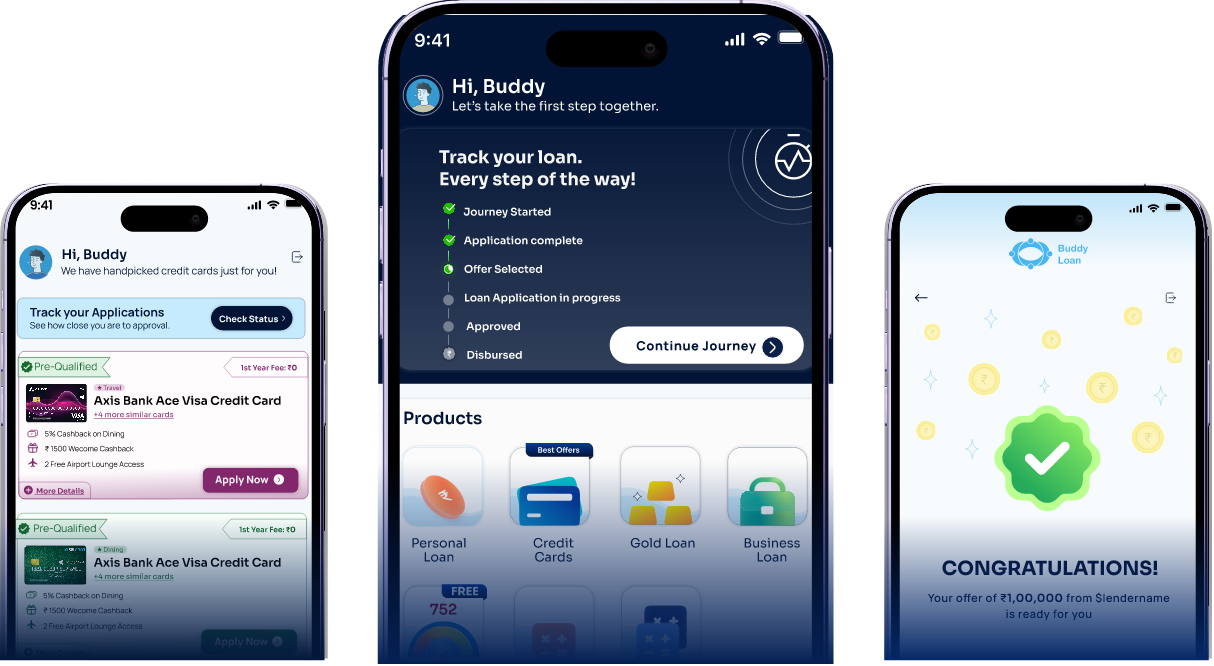
Download the Buddy Loan App Now!
One solution to each of your financial needs at your fingertip.

Scan to download now