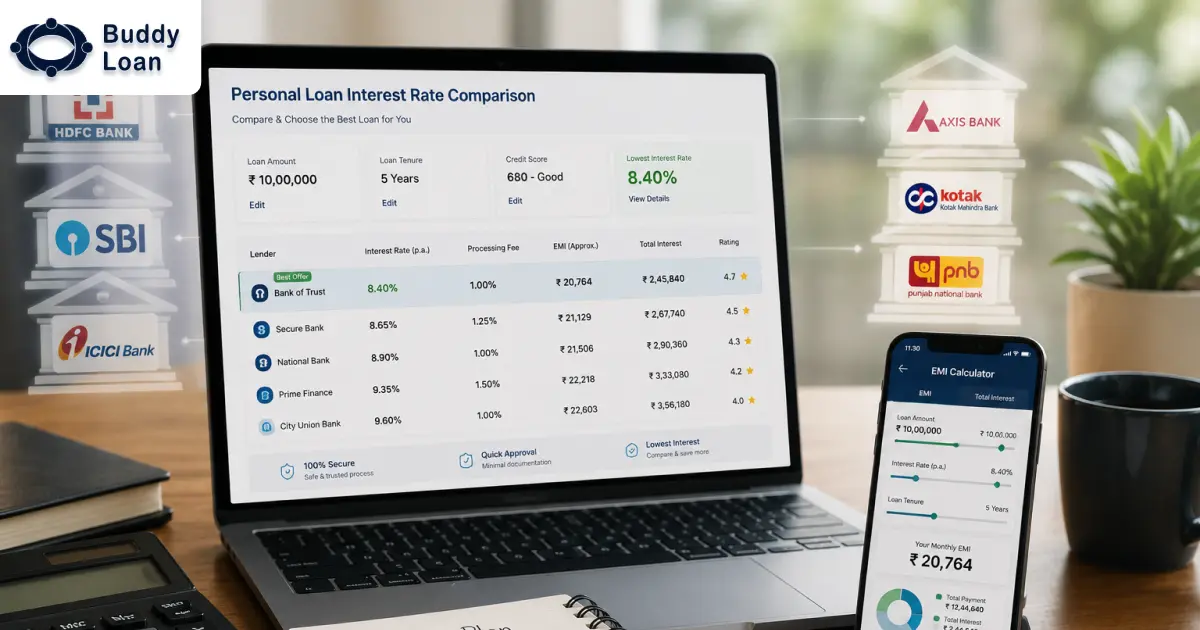
You have done everything right, paid your bills on time, kept your credit utilization low and built a strong credit score. Yet, your loan application was denied. Confused? Well, you are not alone.
Many borrowers are surprised to find that a good credit score doesn’t automatically guarantee loan approval. In this blog, we look at the various critical reasons why lenders may still reject your loan application and what you can do about it.
Is A Good Credit Score Enough For Your Dream Lifestyle?
While your credit score reflects your credit history, lenders consider your financial situation on the whole. This includes:
- Monthly and annual income
- Job stability and employment history
- Debt-to-income ratio
- Number of existing loans and credit obligations
Banks carefully assess an applicant’s repayment ability before disbursing any credit. That means your financial behaviour and capacity today often matter as much as your past credit history.
Your Income and Debt Situation Matter More Than You Think
A high credit score reflects your past repayment behaviour, but lenders also analyse your current repayment capacity. That means your income level, monthly obligations and financial stability play a vital role in loan eligibility. If your earnings are insufficient to support the loan EMIs or if you have multiple existing loan repayments, your application may be declined, even with a strong credit history.
The debt-to-income (DTI) ratio is a key metric used by lenders. If majority of your monthly income is spent for paying off existing EMIs or credit card dues, it results in financial strain. Ideally, your DTI should be under 40%. A higher ratio may raise concerns about your ability to manage new credit responsibly.

Other Reasons for Loan Rejection Despite a Good Credit Score
Here are the various other reasons why your loan application may get rejected despite an acceptable credit score:
- Frequent Job Changes or Unstable Employment: Lack of job stability or working in a high-risk profession can make lenders hesitant, even if your salary is sufficient.
- Incomplete or Incorrect Documentation: Any errors in your application, missing income proof or inconsistent information across documents can lead to rejection.
- Errors in Credit Report: Your score may be high, but if the report contains mistakes, like showing unpaid loans or defaults, it can hurt your chances.
- Too Many Recent Loan Applications: Applying for multiple loans or credit cards in a short time may indicate financial stress and reduce lender trust.
- Loan Amount Too High for Your Profile: Asking for a loan amount that doesn’t match your income or repayment capacity can lead to disapproval.
- Unsuitable Loan Type: If the loan product doesn’t match your financial profile, the lender may decline your application.
- Co-Applicant or Guarantor Issues: If your co-applicant or guarantor has a low credit score or unstable income, it can negatively affect your loan eligibility.
- Lender’s Internal Policies: Each lender has its own approval criteria, risk tolerance and policies. You may simply not meet that specific lender’s requirements, hence the rejection.
If your loan was rejected even with a good credit score, loan aggregator platforms like Buddy Loan can help. It connects you with multiple verified lenders and matches you with the ones best suited to your profile. This saves time and increases your chances of getting approved.
Conclusion
Loan rejections, even with a good credit score, can be frustrating, but they are not uncommon. The truth is that lenders look at a wide range of criteria beyond just your credit score.
Income level, DTI ratio, employment status, documentation and lender-specific policies all play a significant role in the final decision.
Hence, before you reapply, take a step back, review your complete financial profile and address any red flags. This can help you take the right measures and get in touch with the ideal lender.
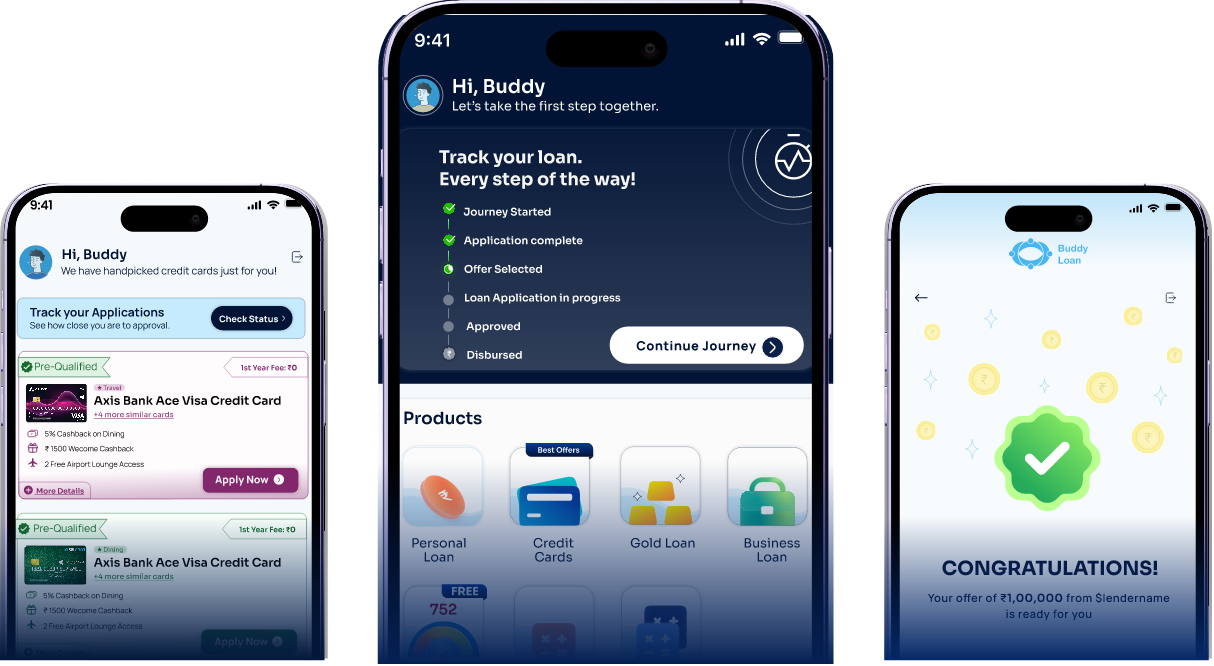
Download the Buddy Loan App Now!
One solution to each of your financial needs at your fingertip.

Scan to download now