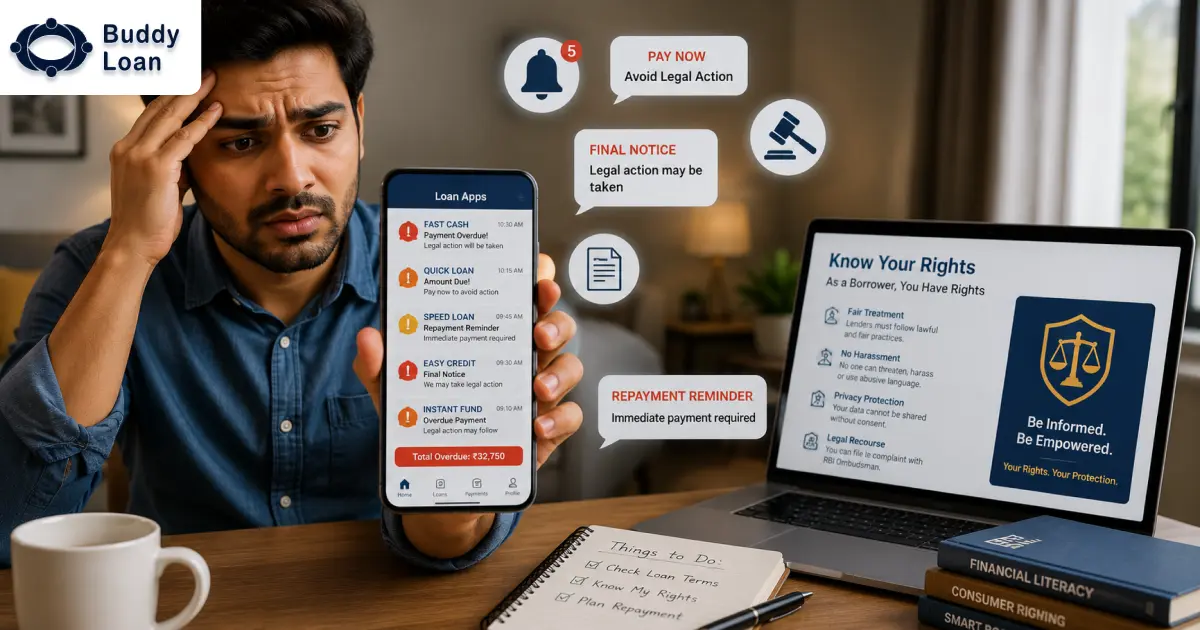
You borrowed a small personal loan from a loan app to pay an urgent bill or cover a short-term emergency. The process was quick, and within minutes, you had the money. Then the due date passed, and things took a turn.
First, you receive text messages warning you to repay immediately. Then come messages mentioning lawsuits, police complaints, or public exposure if you don’t pay. Your stress level rises, and you begin asking yourself: Is this real? Can a personal loan app legitimately take legal action? What if they don’t stop?
You’re not alone. Many borrowers face this confusion, especially with newer loan apps. This blog explains what threats are genuine, which ones are merely scare tactics, and how to protect yourself.
Some Personal Loan Apps Use Legal Threats
Some personal loan apps, especially unregulated ones, rely on fear to recover money. Here’s how it usually happens.
You take a small personal loan. You miss the repayment date. Soon, messages start pouring in. They mention lawsuits, arrests, or even threats to leak your personal information.
The language sounds serious and sometimes even legal, but it is often exaggerated or completely fake. These threats are rarely backed by real legal authority. Instead, they are used to pressure borrowers into making immediate payments without asking questions.
What Happens Legally in Real Defaults?
If you’ve borrowed from a genuine RBI-registered lender, here is what typically happens:
- Official notices and repayment reminders are sent.
- The lender may offer restructuring by revising your EMIs or loan tenure.
- Legal action is considered only after repeated defaults, proper notices, and sufficient opportunity to regularise payments.
- Harassment, intimidation, or sharing your personal data is strictly prohibited under RBI guidelines.
If you receive a genuine court notice, it follows proper legal procedures. However, if you’re only receiving threatening chat messages or calls, it is more likely to be a scare tactic than a legitimate legal process.
| Real Blackmail Tactics Seen on the Ground
There have been genuine cases where borrowers repaid their personal loans but continued facing harassment. Some illegal loan apps threatened to leak personal information, create fake images, or contact everyone in the borrower’s phonebook. These are intimidation tactics and have no legal validity. Several documented cases show borrowers being repeatedly extorted even after clearing their dues because the people behind these apps were not legitimate lenders. |
Also Read: 25 Best Instant Loan Apps in India
Do Real Lenders Ever Take Legal Action?
Legitimate lenders can pursue legal action, but only through proper legal procedures.
- Official legal notices are sent through registered post or email.
- The lender maintains records of missed payments, reminders, and repayment opportunities.
- If necessary, cases are filed in civil courts or other competent legal forums, not through threatening chat messages.
- Legitimate lenders never threaten arrest, public humiliation, or midnight harassment calls.
Real legal action is a regulated process, not a threatening WhatsApp message or SMS.
What To Do If You’re Being Threatened
If a personal loan app is threatening you informally, follow these steps:
- Pause, Don’t Panic: Informal threats rarely have legal standing.
- Verify the Lender: Genuine lenders display RBI registration details, official contact information, and transparent customer support.
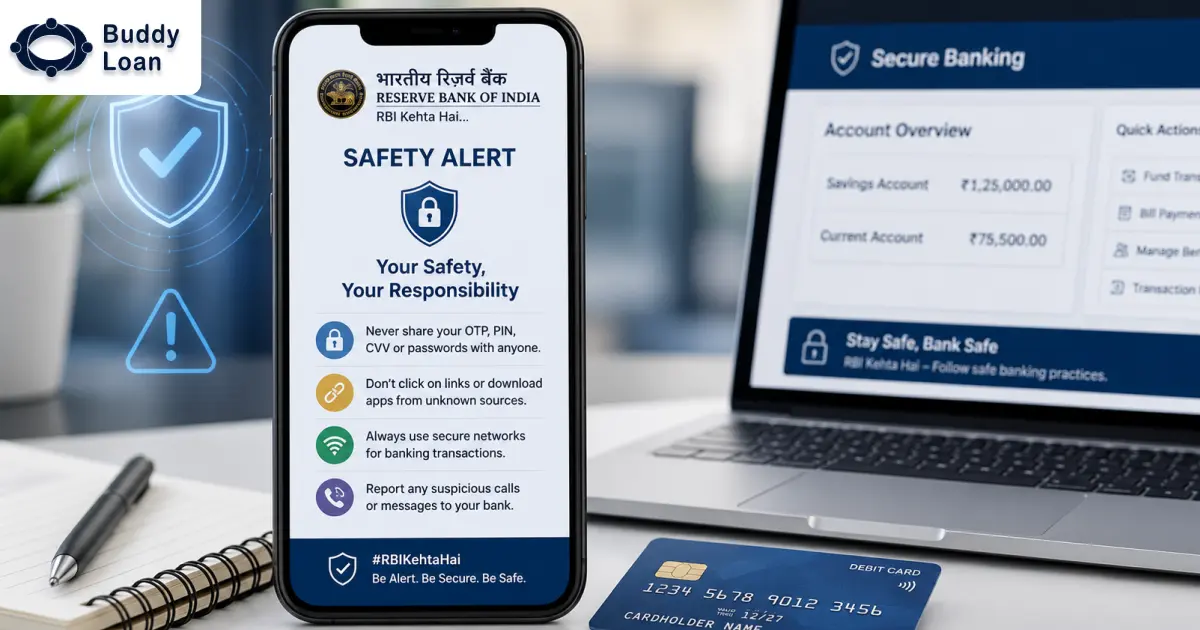
- Protect Your Personal Information: Never share OTPs, Aadhaar details, UPI PINs, passwords, or personal documents with unknown parties.
- Report the App: Report abusive loan apps through app stores and file a complaint on the National Cyber Crime Reporting Portal if harassment continues.
- Seek Legal Advice for Official Notices: If you receive an actual court notice, consult a qualified legal professional before responding.
Also Read: Best Small Loan Apps
Avoid These Fake Loan Apps Altogether
The safest approach is to avoid fraudulent loan apps from the beginning.
- Borrow only from RBI-registered banks and NBFCs.
- Never pay any processing fee before receiving a written loan agreement.
- Read user reviews carefully and search for terms such as “scam,” “harassment,” or “blackmail.”
- Avoid apps requesting unnecessary permissions like access to your contacts or SMS.
- Always verify the lender’s legitimacy before submitting your documents.
Quick Summary
| Situation | Is Legal Action Real? | Recommended Action |
| Threats from unregulated personal loan apps | Usually false | Stop responding and report the app. |
| Threats from a recognised lender after official notice | Possible under legal procedures | Review the notice carefully and seek legal guidance if required. |
| Official court notice | Legally valid | Consult a lawyer and respond appropriately. |
A Word of Smart Advice
Legal threats from unknown personal loan apps are often designed to create panic. Genuine lenders follow RBI regulations, communicate professionally, and use established legal procedures. If someone is threatening arrest, public humiliation, or data leaks through informal messages, it is likely an intimidation tactic rather than lawful action.

Borrow Safely and Confidently
Start by checking your credit score for free with Buddy Score. Understanding your credit profile helps you make informed borrowing decisions. When you’re ready to apply for a personal loan, Buddy Loan helps connect you with trusted, verified lenders. As a digital loan marketplace, Buddy Loan allows you to compare genuine loan offers from multiple lenders so you can choose the one that best suits your financial needs.
Borrow responsibly. Repay on time. Stay financially secure.
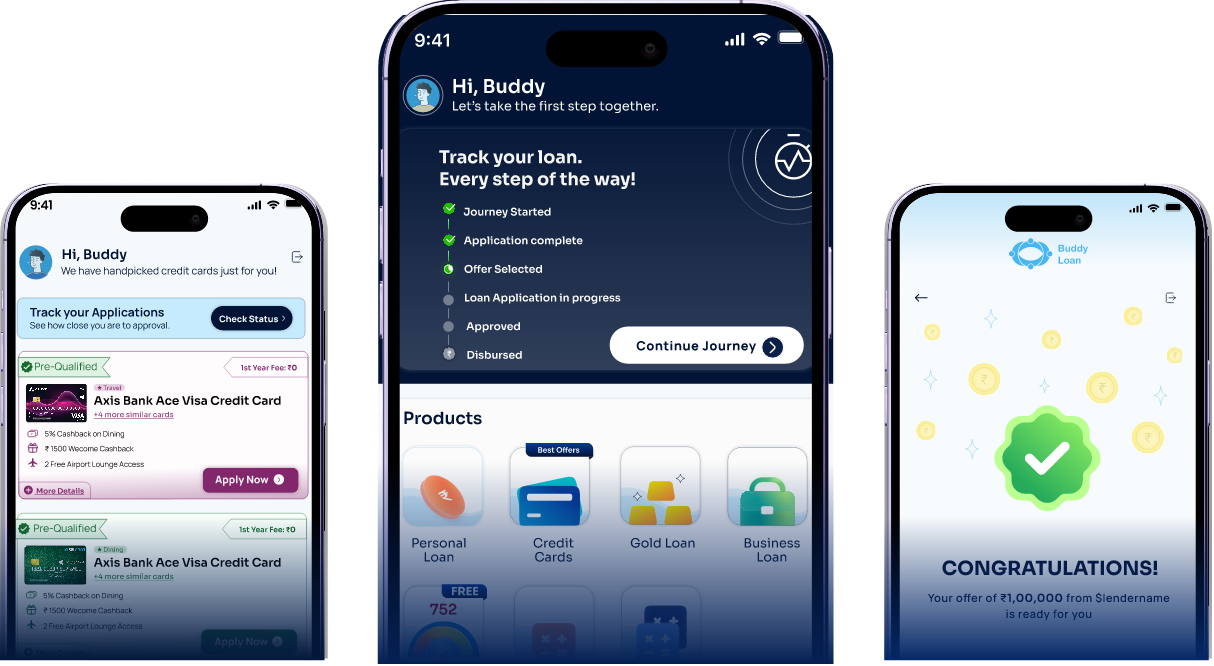
Download the Buddy Loan App Now!
One solution to each of your financial needs at your fingertip.

Scan to download now