The Indian banking sector has undergone significant transformations through a series of mergers involving several Public Sector Banks (PSBs) and top bank services. The primary goal of these mergers is to establish stronger and more competitive financial institutions. These strategic moves aim to strengthen the banking system, expand customer reach, and improve operational efficiency. Bank consolidation through mergers has become a common occurrence in the Indian banking industry. Let’s take a look at the comprehensive list of bank mergers in India, along with the reasons behind these consolidations.

Reasons Behind Bank Mergers In India
A bank merger occurs when two or more banks combine operations to create a single entity. This can be a strategic move to create a larger, more robust bank with a wider reach and a stronger financial base.
The Government of India has actively pursued bank consolidation to achieve several objectives:
- Enhanced Financial Stability: Mergers can create larger banks with a better capacity to absorb financial shocks and reduce risks associated with bad loans.
- Improved Operational Efficiency: Merged banks can leverage economies of scale, optimize branch networks, and streamline administrative processes, leading to cost savings and improved efficiency.
- Increased Competitiveness: Larger banks can compete more effectively with private players and foreign banks in the Indian market.
- Wider Product and Service Offerings: Consolidation allows banks to offer a broader range of products and services to cater to a more diverse customer base.
Now that we know why banks have merged, let’s look at the list of banks that have been merged.
Early Consolidation

Prior to the large-scale mergers of the late 2010s, India saw a few initial consolidations that set the stage for future developments. In 2008, State Bank of Saurashtra (SBS) and State Bank of Indore (SBI) merged to form State Bank of Indore (SBI). This merger aimed to create a stronger regional bank with a wider reach.
The objective of this merger was to create a stronger regional bank with an expanded geographical presence and enhanced capabilities.

Major Bank Mergers in India
Over the years, the Indian banking industry has witnessed substantial changes through a series of significant mergers involving major banks. These mergers have been instrumental in reshaping the banking sector.
Here’s a breakdown of the key bank mergers that have taken place in India in recent years:
State Bank of India (SBI) Merger (2017)
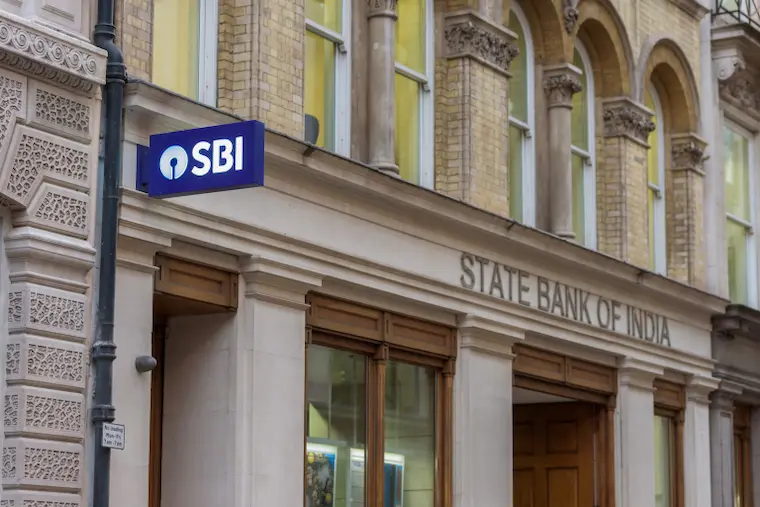
The merger of State Bank of India (SBI) with its associate banks in 2017 had several significant impacts on the Indian banking sector. The merger was a part of the government’s initiative to consolidate the banking industry and create stronger, more efficient banks.
- Merged Banks: State Bank of Bikaner and Jaipur, State Bank of Hyderabad, State Bank of Mysore, State Bank of Patiala, State Bank of Travancore, and Bharatiya Mahila Bank.
- Impact: This mega-merger created the largest banking institution in India, strengthening SBI’s position in the market and offering a wider range of financial products to a broader customer base.
Bank of Baroda Merger (2019)
The merger of Bank of Baroda with Vijaya Bank and Dena Bank, which came into effect on April 1, 2019, was a significant move in the Indian banking sector. This merger aimed to create the third-largest bank in India in terms of total business and branch network.
- Merged Banks: Dena Bank and Vijaya Bank.
- Impact: The amalgamation aimed to improve profitability, expand branch network, and enhance financial inclusion.
Public Sector Bank Mergers (2020)
This phase saw a series of mergers involving several public sector banks (PSBs).
- Punjab National Bank (PNB): Merged with Oriental Bank of Commerce (OBC) and United Bank of India (UBI) to become India’s second-largest lender.
- Canara Bank: Subsumed Syndicate Bank, creating a larger entity with a wider reach.
- Union Bank of India: Absorbed Andhra Bank and Corporation Bank, aiming to leverage synergies and improve operational efficiency.
- Indian Bank: Merged with Allahabad Bank to strengthen its financial position and expand its footprint.
These mergers significantly reduced the number of PSBs in India, aiming to create stronger and more competitive institutions.
Recent Developments (2022)
HDFC, a leading housing finance company, merged with HDFC Bank in April 2022.
On July 1st, 2023, India witnessed the completion of its biggest-ever merger in the banking sector. Housing Development Finance Corporation (HDFC) Ltd merged with its parent company, HDFC Bank.

The success of the merger will depend on the bank’s ability to effectively navigate the challenges of integration, capitalize on the potential synergies, and deliver value to all stakeholders. As India’s largest bank, HDFC Bank shoulders the responsibility of contributing significantly to the nation’s financial stability and economic growth in the years to come.

Get Personal Loan Online Up to ₹35 Lakhs
By entering your number, you're agreeing to Terms & Conditions & Privacy Policy.
List Of Major Bank Mergers In India
The Indian banking sector has witnessed significant mergers and consolidations, reshaping the industry and contributing to its growth and stability. The following table summarizes an overview of some noteworthy bank mergers in India:
| Merged Bank | Acquired Banks | Effective Date |
| Bank of Baroda | Dena Bank, Vijaya Bank | April 1, 2019 |
| Canara Bank | Syndicate Bank | April 1, 2020 |
| Indian Bank | Allahabad Bank | April 1, 2020 |
| Punjab National Bank | Oriental Bank of Commerce, United Bank of India | April 1, 2020 |
| Union Bank of India | Andhra Bank, Corporation Bank | April 1, 2020 |
| State Bank of India | State Bank of Bikaner and Jaipur, State Bank of Hyderabad, State Bank of Mysore, State Bank of Patiala, State Bank of Travancore, Bharatiya Mahila Bank | April 1, 2017 |
Let’s look at the detailed challenges and considerations of these bank mergers in India.
Challenges And Considerations Of Bank Mergers
This list of bank mergers in India are expected to have a significant impact on the Indian banking sector. While mergers offer significant benefits, there are also challenges to consider:
- Integration Issues: Merging large organizations can be complex, with challenges in integrating systems, processes, and cultures. A smooth transition is crucial to avoid disruption for customers and employees.
- Job Losses: Mergers often lead to redundancies, potentially resulting in job losses. Reskilling and redeployment of employees are essential aspects of successful bank mergers.
- Branch Network Rationalization: Overlapping branch networks may need to be rationalized, potentially leading to branch closures and impacting customer convenience in some areas.
Get Personal Loan Online Up to ₹35 Lakhs
By entering your number, you're agreeing to Terms & Conditions & Privacy Policy.
What Does The Future Hold?
The Indian government is likely to continue pursuing bank consolidation efforts to create a more robust and competitive banking sector.
While challenges exist, the long-term benefits of bank mergers, such as improved financial stability, wider reach, and enhanced service offerings, are expected to contribute to a stronger financial system in India.
Also Read: DA Hike – All That A Central Government Employees Need to Know
Conclusion
The consolidation of the Indian banking sector through mergers is a significant change with far-reaching effects. The potential benefits of creating a stronger, more competitive banking system are quite obvious. As these mergers progress, it will be important to watch how they impact financial stability, operational efficiency, and customer satisfaction.
As the Indian economy continues to grow, it will be interesting to see how further mergers and acquisitions shape the future of banking in India.
Download the Buddy Loan App Now! One solution to each of your financial needs at your fingertip. Scan to download now



Having any queries? Do reach us at info@buddyloan.com