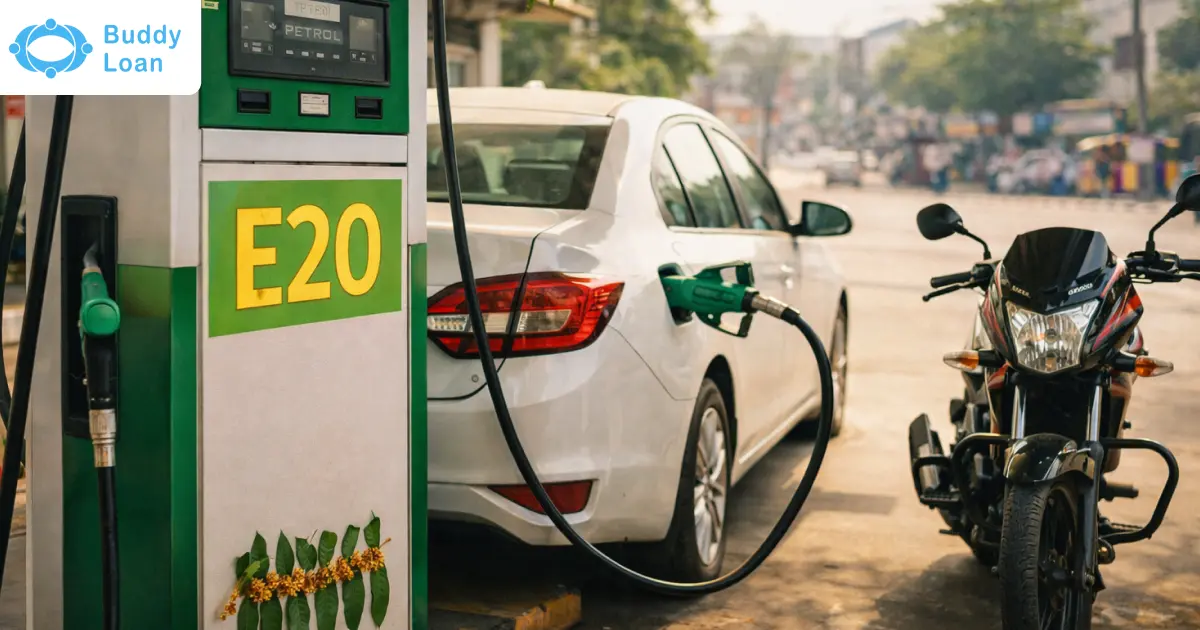
India has taken a major step toward cleaner mobility by implementing E20 petrol from April 1 across the country. This transition is part of the government’s long-term strategy to reduce emissions and dependence on imported fuel.
For vehicle owners, however, this change brings practical concerns. From mileage changes to engine compatibility, understanding how E20 petrol affects your car or bike is essential for making informed decisions.


What is E20 Petrol and Why is India Adopting It?
E20 petrol is a blend of 20% ethanol and 80% petrol. Ethanol is a renewable fuel derived from agricultural sources like sugarcane and maize, making it more environmentally sustainable.
India is adopting E20 fuel to balance environmental goals with energy security.
Key Reasons for E20 Adoption
| Objective | Details |
| Reduce crude oil imports | India imports a large share of its fuel requirements |
| Lower emissions | Ethanol reduces carbon monoxide and greenhouse gases |
| Support agriculture | Boosts demand for crops used in ethanol production |
This shift not only benefits the environment but also supports domestic economic growth.

Key Differences Between E20 Petrol and Regular Petrol
Understanding the technical differences helps explain how E20 impacts vehicles.
| Feature | E20 Petrol | Regular Petrol |
| Ethanol content | 20% | 0–10% |
| Octane rating | ~95 RON | 91–92 RON |
| Energy content | Lower | Higher |
| Emissions | Lower | Higher |
| Moisture absorption | High | Low |
While E20 burns cleaner, its lower energy density is the main reason behind reduced mileage.
Impact of E20 Petrol on Car Performance and Mileage
E20 petrol affects cars differently depending on their engine design and compatibility.
Key Effects on Cars
- Mileage reduction: Typically between 3% to 6%
- Smoother combustion: Due to the higher octane rating
- Reduced engine knocking: Improves engine stability
- Slight power variation: In non-optimized engines
Car Compatibility Overview
| Car Type | Compatibility | Impact Level |
| BS6 Phase 2 (post-2023) | Fully compatible | Minimal impact |
| BS6 (pre-2023) | Partially compatible | Moderate impact |
| Older cars (pre-BS6) | Not compatible | High risk |
Modern cars are designed to handle ethanol blends, but older vehicles may face performance issues over time.
Impact of E20 Petrol on Two-Wheelers
Two-wheelers are widely used in India, and their engines are more sensitive to fuel changes.
Effects on Bikes and Scooters
- Mileage drop: Around 2% to 5%
- Cold start issues: Especially in older models
- Throttle response changes: Slight variation in performance
- Increased wear and tear: In non-compatible engines
Two-Wheeler Compatibility Table
| Vehicle Type | Compatibility | Expected Issues |
| New E20-ready bikes | High | Minimal |
| BS6 bikes | Moderate | Minor performance drop |
| Older bikes/scooters | Low | High maintenance risk |
If you own an older two-wheeler, regular maintenance becomes even more critical.
Why E20 Petrol Can Damage Older Engines
Vehicles that are not designed for ethanol blends may experience long-term damage.
Major Risks
| Issue | Cause | Impact |
| Material degradation | Ethanol reacts with rubber/plastic | Fuel leaks, part failure |
| Moisture absorption | Ethanol attracts water | Corrosion and contamination |
| Fuel system damage | Incompatible components | Injector and carburetor issues |
Long-Term Impact Comparison
| Factor | Older Vehicles | E20-Compatible Vehicles |
| Maintenance cost | High | Low |
| Engine life | Reduced | Stable |
| Reliability | Low | High |
These risks make it clear why experts recommend switching to E20-compatible vehicles.
Why Upgrading to BS6 Engines is Recommended
With the nationwide rollout of E20 petrol, upgrading to a BS6 (Bharat Stage 6) engine is no longer optional for many vehicle owners; it is becoming necessary.
BS6 Phase 2 vehicles are specifically engineered to handle higher ethanol blends like E20, making them more reliable and efficient under the new fuel standards.
Why BS6 Engines Are Better for E20 Fuel
| Feature | BS6 Engines | Older Engines |
| E20 compatibility | Fully compatible | Not designed for E20 |
| Material durability | Ethanol-resistant components | Prone to corrosion |
| Engine tuning | Optimized for blended fuel | Not calibrated |
| Maintenance cost | Lower | Higher over time |
Key Advantages of Upgrading
- Reduced risk of engine damage and corrosion
- More stable mileage and performance
- Lower long-term maintenance costs
- Compliance with current and future emission norms
In contrast, continuing with an older engine may result in frequent repairs, reduced efficiency, and higher overall ownership costs.

When Should You Upgrade to an E20-Compatible Vehicle?
If your vehicle is older or not designed for ethanol blends, upgrading becomes a practical decision rather than just a preference.
When You Should Consider Upgrading
- Your vehicle is more than 5–7 years old
- It is not E20-compatible
- You are facing frequent maintenance issues
- Fuel efficiency has noticeably dropped
Upgrading ensures that your vehicle remains efficient and compliant with evolving fuel standards.
Car Loan and Two-Wheeler Loan Options for Upgrading
Buying a new vehicle can be expensive, but financing options make it more accessible.
Popular Loan Options
| Loan Type | Best For | Key Benefit |
| Car loan | New or used cars | Lower interest rates |
| Two-wheeler loan | Bikes and scooters | Quick processing |
| Personal loan | Flexible use | No collateral required |
These options allow you to spread the cost over time, making it easier to upgrade without financial strain.
How Buddy Loan Helps You Find the Right Loan
Choosing the right loan can be confusing, especially with multiple lenders offering different terms. This is where Buddy Loan simplifies the process.
Buddy Loan is a digital fintech marketplace that connects borrowers with a network of verified lenders. It does not directly provide loans but helps users find suitable options based on whether you are planning to buy a new car or a bike. Buddy Loan helps you make a well-informed financial decision.
Tips to Manage Your Vehicle with E20 Petrol
Even if you are not upgrading immediately, you can reduce risks by following some best practices.
Practical Tips
- Avoid running your fuel tank too low
- Follow regular servicing schedules
- Check fuel lines and seals periodically
- Use manufacturer-recommended fuel grades
- Avoid storing fuel for long durations
These steps can help maintain performance and reduce potential damage.
Conclusion
The rollout of E20 petrol from April 1 marks a significant shift in India’s fuel ecosystem. While it offers environmental and economic benefits, it also introduces important changes for vehicle owners.
E20 fuel can slightly reduce mileage and increase maintenance needs, especially for older vehicles. Over time, using incompatible engines may lead to higher costs and reduced reliability.
Upgrading to an E20-compatible BS6 vehicle is a practical solution for long-term efficiency and peace of mind. With financing options available through platforms like Buddy Loan, making this transition has become more convenient and accessible.
Adapting early to this change can help you avoid future expenses and ensure a smoother driving experience in the evolving automotive landscape.
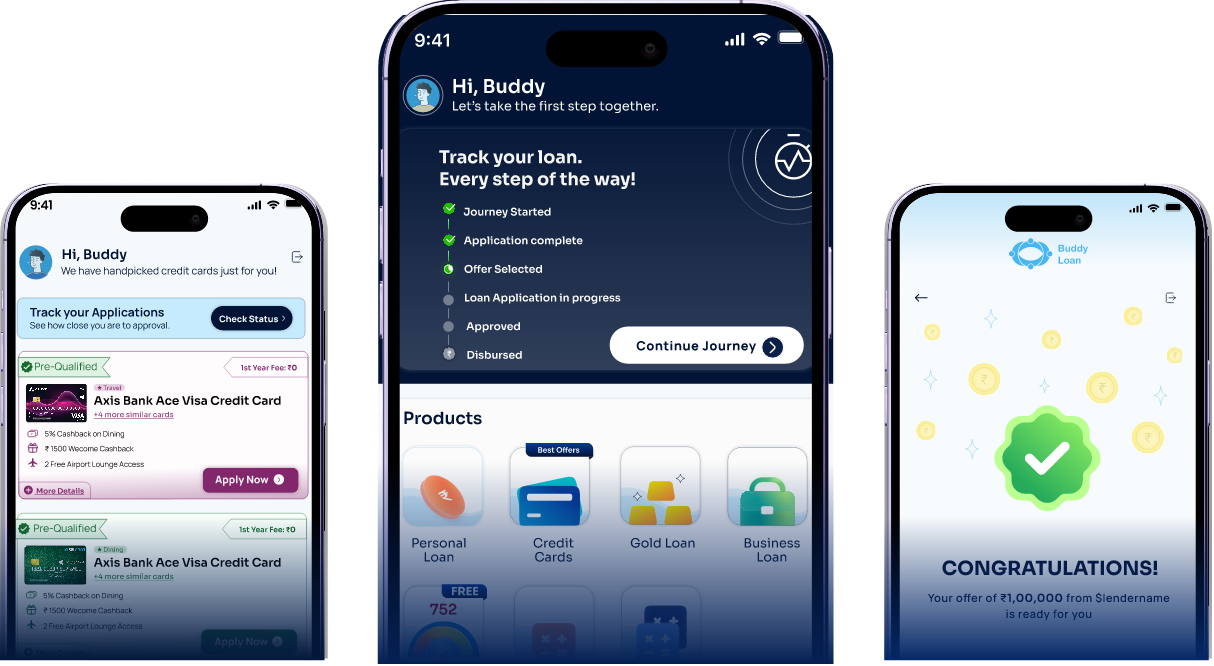
Download the Buddy Loan App Now!
One solution to each of your financial needs at your fingertip.

Scan to download now