
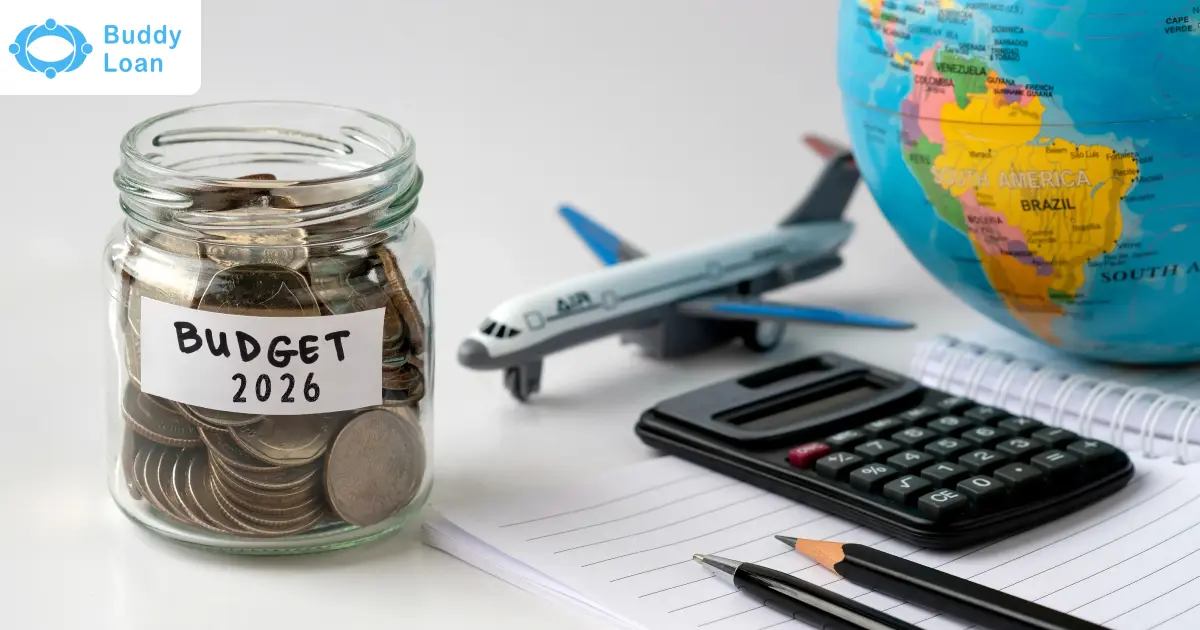
The Union Budget 2026-27 fundamentally alters the financial architecture of international engagement for Indians. While the “Viksit Bharat” vision focuses heavily on domestic infrastructure like High-Speed Rails, the budget has quietly delivered a significant stimulus for the global Indian.
For years, the high upfront cost of international travel, driven by aggressive Tax Collected at Source (TCS) rates, has been a friction point for middle-class families and students. The 2026 Budget addresses this head-on. By recalibrating TCS rates and customs duties, the government has signalled that global mobility is no longer viewed solely as a luxury to be taxed but as an aspiration to be facilitated.
Read on to learn in detail about the financial implications of Budget 2026 for international travellers, focusing on cash flow, compliance, and purchasing power.
Union Budget 2026 TCS Cut to Flat 2% on Foreign Travel
The headline change for travellers is the drastic reduction in Tax Collected at Source (TCS) under the Liberalised Remittance Scheme (LRS).
The Pre-2026 Scenario
Previously, booking a foreign tour package could attract a TCS of up to 20% depending on the amount and nature of the transaction. This meant if you booked a family holiday to Europe costing ₹10 lakhs, you often had to pay an additional ₹2 lakhs upfront to the government. While this money was refundable or adjustable against your final tax liability, it created a massive cash flow crunch. It locked up liquidity for months until income tax returns were filed.
The Budget 2026 Mandate
The new budget has slashed this rate to a flat 2% for foreign tour packages.
- The Impact: On that same ₹10 lakh package, the TCS liability drops from ₹2 lakhs (in the worst-case scenario of 20%) to just ₹20,000.
- Scope: This applies to the entire package, including travel tickets and hotel stays booked through tour operators.
This structural change releases immediate liquidity back into the hands of the traveller, making the upfront cost of holidays significantly cheaper.
Impact of Budget 2026 by Traveller Segment
The budget affects different types of travellers differently. Here is a segmented breakdown based on the new provisions:
1. The Leisure Traveller
For families planning vacations, the reduction of TCS to 2% is a direct boost to disposable income.
Cash Flow Benefit: You no longer need to budget for an artificial 20% markup. This makes premium destinations more accessible and reduces the need to use credit to fund the tax component of the trip.
Behavioural Shift: This move discourages the “grey market” practice of booking components separately or using cash to avoid the TCS net. With a nominal 2% rate, the incentive to bypass formal banking channels evaporates, encouraging compliant, organised travel bookings.
2. Students and Guardians
The budget brings relief to parents funding overseas education. Under the LRS, the TCS has been reduced from 5% to 2% for remittances exceeding ₹10 lakh for educational purposes.
Financial Relief: For a student with annual fees and living expenses of ₹40 lakh, the TCS burden reduces significantly. This lowers the immediate capital requirement for parents, freeing up funds that can be used for actual educational resources rather than sitting in a government tax ledger.
3. Medical Travellers
Similarly, for those travelling abroad for medical treatment, the TCS on remittances over ₹10 lakh has been cut to 2%. Given that medical treatments require urgent and high liquidity, removing the 5% lock-in is a humanitarian correction in the tax code.
4. The Global Shopper
One of the most surprising yet welcome moves is the reduction in Customs Duty on personal imports.
- The Change: The tax on items imported for personal use (often via courier or brought in personal baggage beyond limits) has been cut in half—from 20% to 10%.
- Implication: Travellers who shop for electronics, fashion, or niche hobbies abroad will find the landing cost of these goods much lower. This aligns with the government’s push to lower the “cost of living” and enhance the “ease of living” for the common man.
What Hasn’t Changed After Budget 2026?
While the budget is generous for tours, education, and health, it retains strictness for pure capital flight or unspecified spending.
For global travellers sending large sums (over ₹10 lakh) abroad for reasons other than medical or educational purposes (such as investments in foreign stocks, buying property, or gifting), the high 20% TCS rate remains.
The Logic: The government differentiates between “consumption” (travel/study) and “asset accumulation” (investing abroad). While consumption is being eased, capital account transactions remain under tight scrutiny to manage foreign exchange reserves.
Addressing Misconceptions
A common myth among travellers is that TCS is a ‘cost’ or a ‘fine’. It is essential to understand the mechanics:
- TCS is an Advance Tax: The 2% you pay is recorded against your PAN. It is not an expense; it is an asset.
- Refund Mechanism: When you file your Income Tax Return (ITR), this amount is adjusted against your total tax liability. If your liability is lower than the TCS paid, the government refunds the money to your bank account.
- The 2026 Advantage: By lowering the rate to 2%, the government has reduced the time value of money loss. You are no longer lending 20% of your travel budget to the government interest-free for a year.
Strategic Financial Planning for Travelers After Budget 2026
With these changes, here is how you should plan your finances for international travel post-April 1, 2026:
- Prioritise Formal Channels: With TCS at just 2%, there is no financial logic in using unauthorised forex dealers. Use credit cards or official forex cards to ensure your spending is tracked and the TCS is properly credited to your Form 26AS.
- Budgeting: You can now allocate the funds previously set aside for high TCS towards better experiences—upgrading hotels or extending the duration of the trip.
- Shopping Strategy: With the personal import duty slashed to 10%, it may now be viable to legally import high-value gadgets or accessories via courier rather than relying on the “grey market” or risking customs penalties at the airport.
- Travel Loan Upperhand: If you are planning for a vacation but do not want to risk depleting your entire savings, it might be a strategic step to cover the expenses using a loan, which you can pay back later.
Conclusion
The Union Budget 2026 recognises that the modern Indian is a global citizen. By dismantling the high-tax barrier on foreign travel, the government has achieved two goals:
- Economic: It reduced the liquidity crunch for middle-class families.
- Psychological: It removed the punitive feeling associated with foreign travel.
The financial friction of crossing borders has been smoothed out. Whether you are a student heading to a university in London or a family planning a summer in the Alps, the government has ensured that your money is spent on your journey, not locked in a tax credit ledger. The focus has shifted from restricting outflow to facilitating experiences.
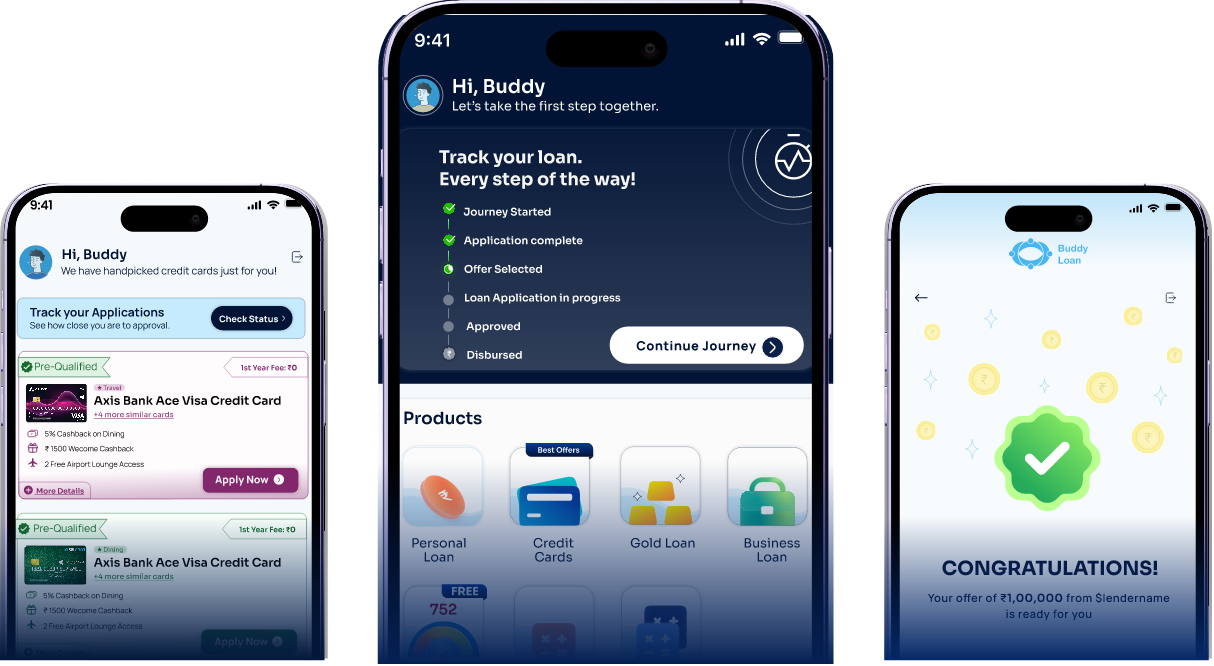
Download the Buddy Loan App Now!
One solution to each of your financial needs at your fingertip.

Scan to download now


Frequently Asked Questions
Find answers to common questions about this topic