
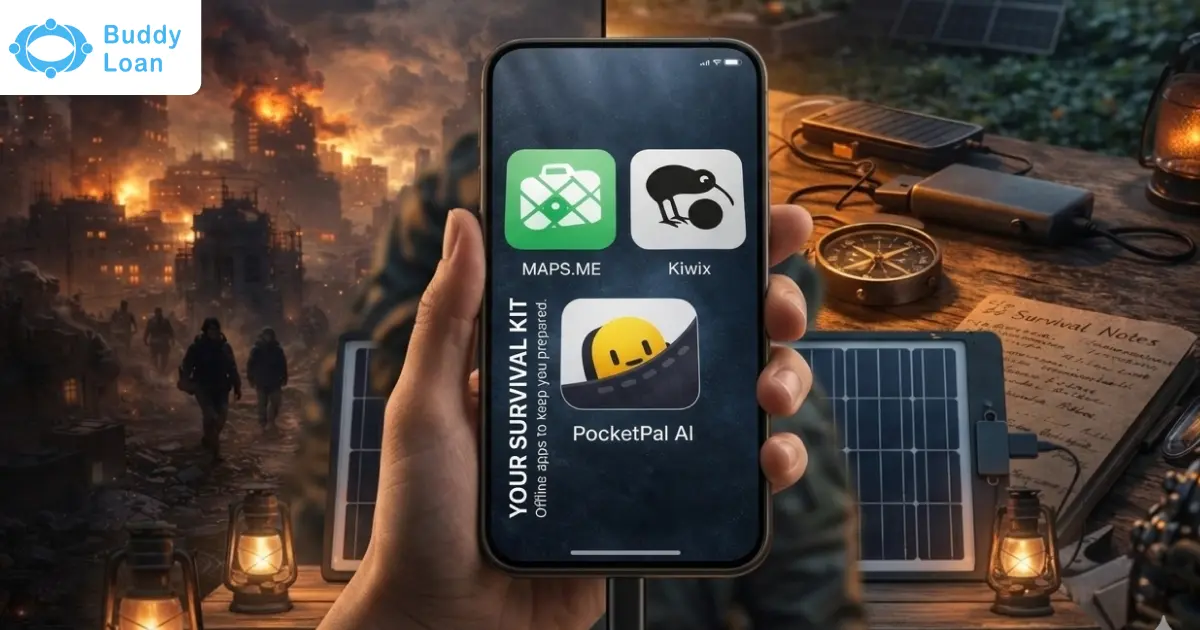
When disasters strike, whether it’s war, natural disasters, prolonged blackouts, or communication breakdowns, technology can become one of the most powerful survival tools. In many emergencies, the internet becomes unreliable or completely unavailable. Yet your smartphone can still function as a navigation tool, survival guide, and information hub—if you have the right apps installed beforehand.
A growing concept called “digital preparedness” involves storing offline maps, survival knowledge, and AI tools on your phone so that even without the internet you can still access crucial information.
In this guide, we’ll explore three must-have apps that could help you survive during war or emergencies:
- MAPS.ME
- Kiwix
- PocketPal AI
We’ll also discuss solar charging solutions to keep your phone alive when electricity fails.
Why Smartphones Are Critical in Emergencies
During crises, your phone can help you:
- Navigate when roads are blocked
- Access medical and survival information
- Communicate with rescue teams
- Store emergency contacts
- Receive or share critical updates
However, if networks go down, offline apps become essential. That’s why preparing your phone in advance is crucial.
1. MAPS.ME for Offline Navigation
One of the most important survival capabilities is navigation without internet access. In war zones or disaster situations, GPS still works even if mobile networks fail.
This is where MAPS.ME becomes incredibly valuable.
Key Features of Maps.me
- Full offline maps for countries, cities, and regions
- Turn-by-turn navigation
- GPS location tracking without internet
- Points of interest like hospitals, shelters, and water sources
Many offline map apps rely on OpenStreetMap data, allowing them to function even without a network connection. Apps like Organic Maps, a privacy-focused alternative built from MAPS.ME technology, also allow users to download map data and navigate without internet connectivity.
Why It’s Critical in Emergencies
Imagine:
- Roads are destroyed during war
- Internet and telecom towers go down
- You need to find safe routes or evacuation paths
Offline maps can guide you to:
- Hospitals
- Border crossings
- Refugee shelters
- Safe routes away from conflict zones
Alternative Offline Map Apps
Other useful navigation apps include:
- Organic Maps
- OsmAnd
- Gaia GPS
These apps work even when the internet is completely unavailable.
2. Kiwix App for Offline Knowledge Library
If the internet disappears, information becomes scarce. That’s where Kiwix becomes a powerful survival tool.
Kiwix is an offline browser that allows you to download entire knowledge bases, including Wikipedia and survival guides.
Using Kiwix, you can store:
- Full Wikipedia offline
- Medical guides
- Disaster survival manuals
- Agricultural and food guides
- Educational books
Essentially, you carry a mini internet library in your pocket.
Why Right Information Matters During Crisis
During war or disasters, you might need to quickly learn:
- How to treat injuries
- How to purify water
- How to build shelter
- How to identify edible plants
- How to repair equipment
With Kiwix installed, you can access all this knowledge without internet access.
Real-World Use
Humanitarian organizations have used Kiwix to provide offline knowledge libraries in areas where internet access is restricted or unreliable.
Additional Survival Resources for Kiwix
You can download:
- Offline Wikipedia
- Survival manuals
- Disaster response guides
- First aid manuals
This turns your smartphone into a portable survival encyclopedia.
3. PocketPal AI App for Offline AI Assistance
AI is becoming an increasingly useful tool during emergencies.
Apps like PocketPal AI provide an offline AI assistant that can help answer survival questions even without internet connectivity.
What PocketPal AI Can Do
Depending on the model downloaded, it can help with:
- Medical advice and first aid steps
- Survival tips
- Navigation suggestions
- Emergency planning
- Basic troubleshooting
For example, you could ask:
- “How do I stop bleeding?”
- “How do I purify water?”
- “What should I do during a chemical attack?”
Instead of searching online, the AI can provide immediate guidance.
Why AI Matters in Emergencies
In crisis situations:
- There may be no internet
- You may not have survival training
- Information must be accessed quickly
Offline AI can act as a digital survival instructor.
The Hidden Problem, Your Phone Needs Power!
All these apps are useless if your phone battery dies.
During disasters, power outages can last days or even weeks.
This is why solar charging solutions should be part of every emergency kit.
Solar Mobile Chargers for Emergencies
Portable solar chargers allow you to generate electricity from sunlight, keeping essential devices running when the power grid fails.
During disasters like hurricanes or earthquakes, solar chargers have been widely used to maintain communication and access information.
Experts recommend combining solar chargers with power banks so you can store energy and recharge devices when needed.
Examples of Solar Charging Solutions
Key Benefits
Portable solar chargers can:
- Charge phones during blackouts
- Power GPS devices
- Run emergency radios
- Charge flashlights and small electronics
Some solar power banks can charge a smartphone multiple times using stored solar energy.
However, experts warn that solar chargers should be considered backup power sources rather than the only charging method, since sunlight conditions can vary.
Bonus Apps for Emergency Preparedness
In addition to the three core apps, consider installing these:
Communication & Alerts
- Zello: walkie-talkie communication
- Bridgefy: Bluetooth messaging without internet
Medical Assistance
- First Aid by Red Cross: emergency medical guidance
Weather & Disasters
- Windy
- Disaster Alert
Survival Manuals
- Offline Survival Manual
Build Your Digital Survival Kit
Before a crisis happens, prepare your phone.
Step-by-Step Preparation
- Install offline apps
- Download maps for your region
- Download survival libraries in Kiwix
- Store emergency contacts
- Carry a solar charger and power bank
- Keep your phone battery above 50% whenever possible
You can even keep an old phone preloaded with survival apps as a backup device.
Prepare for Prolonged Emergencies
Short-term disasters may last a few days, but wars or large-scale crises can last weeks or even months. In such situations, survival depends not only on information or navigation but also on basic preparedness.
Along with installing essential apps and keeping your phone charged, it is important to build a basic survival kit and long-term backup supplies.
Preparation ensures you remain self-sufficient even when external help is delayed.
Keep a Well-Stocked First Aid Kit
Medical facilities may become inaccessible during war or disasters. Hospitals may be overcrowded or damaged, and emergency services may take longer to respond.
A properly stocked first aid kit can help treat minor injuries and stabilize serious conditions until medical help becomes available.
Essential Items to Include
Your emergency first aid kit should contain:
- Sterile bandages and gauze
- Antiseptic wipes or iodine solution
- Adhesive bandages
- Pain relief medication
- Antibiotic ointment
- Medical tape
- Tweezers and scissors
- Emergency thermal blanket
- Gloves and masks
If someone in your household requires prescription medicines, always keep extra doses stored safely.
You can also download first aid manuals inside the Kiwix app, so even without internet you can quickly learn how to treat injuries or perform emergency care.
Seeds to Grow Survival Food
To begin with storing food grains is important however, for in prolonged emergencies, food supply chains may collapse. Grocery stores may run out of supplies and transportation networks may be disrupted.
One of the smartest long-term survival strategies is to store seeds that allow you to grow your own food.
Seeds require minimal storage space but can provide renewable food sources.
Best Seeds for Survival Gardens
Consider storing seeds for crops that are:
- Easy to grow
- Nutrient-dense
- Fast-growing
Examples include:
- Beans
- Potatoes
- Spinach
- Kale
- Tomatoes
- Carrots
- Peppers
- Pumpkin
- These crops can grow in small backyard spaces, containers, or temporary gardens.
Even in urban areas, people can grow food using:
- Balcony gardens
- Rooftop gardens
- Indoor grow setups
Growing food may not solve shortages immediately, but during long crises it becomes an important survival strategy.
Conclusion
Emergencies such as wars, disasters, or prolonged crises can disrupt electricity, internet access, transportation, and food supplies. Preparing in advance can make a significant difference in how safely you navigate such situations.
By installing essential apps like MAPS.ME for offline navigation, Kiwix for survival knowledge, and PocketPal AI for offline assistance, your smartphone can become a powerful survival tool. Pairing these apps with solar charging solutions ensures that your phone continues to function even during long power outages.
However, digital tools alone are not enough. Real-world preparation is equally important. Keeping a first aid kit, storing survival seeds to grow food, and maintaining basic emergency supplies can help you stay resilient during prolonged disruptions.
In uncertain times, preparedness is the best protection. A combination of technology, knowledge, renewable power, and practical supplies can help individuals and families stay safer during war, disasters, and unexpected emergencies.
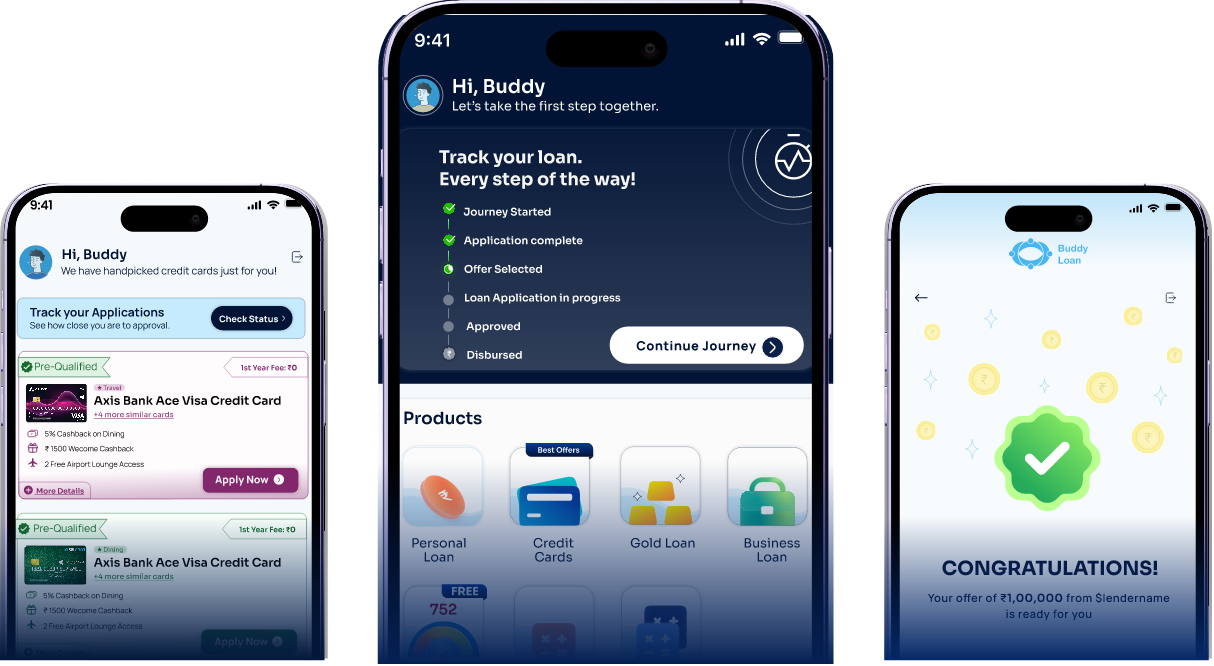
Download the Buddy Loan App Now!
One solution to each of your financial needs at your fingertip.

Scan to download now


Frequently Asked Questions
Find answers to common questions about this topic