Indian banks have evolved into major distribution hubs for financial products, prominently including insurance. This model, known as bancassurance, enables customers to conveniently purchase a wide array of policies directly through their trusted banking partner.
Banks in India offer everything from life and health coverage to motor, accidental, and government-backed insurance schemes. This integration is governed by regulations from the Insurance Regulatory and Development Authority of India (IRDAI), which oversees the tie-ups between banks and insurance companies. The rising adoption of Bank Insurance is driven by the convenience and accessibility it offers.
Banks leverage their extensive networks to sell both their own sponsored insurance products, such as SBI Life from the State Bank of India, and policies from partner insurers like HDFC ERGO General Insurance Co Ltd, ICICI Lombard, Kotak, and Max Life Insurance. Many banks also provide built-in insurance benefits with their debit and credit cards, adding another layer of financial protection for their customers.
Read on to learn more about the different types of insurance schemes provided via banks, and find out which one could be best for you.


Best Insurances by Banks
Here is a quick look at the top options from the best insurance by banks:
| Insurance Category | Top Options Available Through Banks (Examples) | Key Feature to Look For |
| Term Life Insurance |
| Claim Settlement Ratio (CSR): Choose an insurer with a CSR consistently above 98% to ensure reliability. |
| ULIPs (Life + Investment) |
| Low Charge Structure: Look for plans with minimal premium allocation and policy administration charges to maximize returns. |
| Family Floater Health Insurance |
| Restoration Benefit: A feature that reinstates your sum insured after it’s used, which is crucial for multiple claims in a year. |
| Comprehensive Motor Insurance |
| Add-ons: Prioritize policies offering valuable add-ons like Zero Depreciation, Engine Protection, and Roadside Assistance. |
| Government Social Security Schemes |
| Auto-Debit Functionality: Ensure your bank account is set up for auto-debit to keep the policy active without manual intervention. |
| Travel Insurance | Often bundled with premium credit cards (HDFC Bank, ICICI Bank) or sold as standalone policies by their partners. | Medical Coverage Limit: Ensure the sum insured for overseas medical emergencies is adequate for the country you are visiting. |
| Personal Accident Insurance | Complimentary cover with debit/credit cards or standalone policies from general insurers like SBI General. | Disability Coverage: Check if the policy covers Permanent Total, Permanent Partial, and Temporary Total Disability. |
Concept of Insurance by Banks
The concept of banks offering insurance, or bancassurance, has fundamentally reshaped India’s insurance distribution landscape. By acting as corporate agents for insurance companies, banks have significantly improved insurance accessibility, especially in semi-urban and rural areas where traditional insurer presence may be limited.
This Banking Sector as Insurance Distributors model leverages the trust and existing relationships banks have with their customers. Initially, regulations often limited a bank to partnering with a single insurer per category, but the framework has evolved to allow for a Multiple-Partner Model. This allows banks to offer a more diverse portfolio of products, giving consumers greater choice.
The core role of banks in this ecosystem is to make insurance products more understandable and readily available, thereby increasing insurance penetration across the country. This model is a key channel for all types of Bank Insurance.
Insurance Categories Offered by Banks
Banks in India serve as a one-stop shop for a multitude of insurance needs. They facilitate the sale of policies across several key categories, making it simple for customers to secure comprehensive financial protection.
The primary types of insurance by banks include:
- Life Insurance, which covers long-term protection and investment goals
- Health and Medical Insurance, for covering healthcare expenses
- Motor Insurance, for vehicles as mandated by law
and various government-sponsored social security schemes. Additionally, banks often provide Travel and Accidental Insurance, as well as specialised rural and micro-insurance products, ensuring a wide demographic has access to risk management solutions.
Life Insurance Offered by Banks
Life insurance by banks is one of the most common forms of bancassurance. Banks partner with leading life insurance companies to offer policies that cater to different life stages and financial goals, from pure protection to savings and retirement planning.
This partnership makes products from companies like PNB MetLife India Insurance Co Ltd and SBI Life Insurance Co Ltd accessible to a vast customer base.
Here is a list of top 10 life insurances offered by the banks:
| Insurance Company | Key Benefits & Standout Features |
| 1. Life Insurance Corporation (LIC) of India |
|
| 2. HDFC Life Insurance |
|
| 3. SBI Life Insurance |
|
| 4. ICICI Prudential Life Insurance |
|
| 5. Max Life Insurance |
|
| 6. Bajaj Allianz Life Insurance |
|
| 7. PNB MetLife India Insurance Co. Ltd. |
|
| 8. Kotak Life Insurance |
|
| 9. Tata AIA Life Insurance |
|
| 10. Canara HSBC Life Insurance |
|
Bank-Sponsored Life Insurance Companies
Several major banks in India have established their own life insurance subsidiaries, creating powerful synergies.
- SBI Life Insurance
- HDFC Life Insurance
- ICICI Prudential Life Insurance
- Kotak Life Insurance
- PNB MetLife India Insurance Co. Ltd.
Life Insurance Plan Categories through Banks
Through their partnerships, banks offer a comprehensive suite of life insurance products, such as:
- Term Insurance: Pure risk cover offering a large sum assured at an affordable premium. An example could be an HDFC bank term insurance plan.
- ULIPs (Unit Linked Insurance Plans): A combination of insurance and investment, where part of the premium goes into market-linked funds.
- Endowment / Guaranteed Return Plans: Savings-oriented plans that provide a lump sum on maturity or death.
- Child Plans: Designed to finance a child’s future education and other major life events.
- Retirement & Pension Plans: Help in building a corpus for a steady income stream post-retirement.
- Whole Life Policies: Provide life coverage for the entire life of the insured person.
Health Insurance Offered by Banks
Health insurance by banks is a critical offering, providing financial security against rising medical costs. Banks act as distributors for general insurance companies, offering a range of health plans.
This includes individual health covers, family floater policies that cover the entire family under a single sum insured, critical illness plans, and group medical covers. Products like SBI health insurance, HDFC medical insurance, and Kotak health insurance are widely distributed through their respective banking networks, making essential medical coverage more accessible.
Here are the top 10 Health Insurance Offered by Banks of India:
| Insurance Company | Key Benefits & Standout Features |
| 1. Star Health and Allied Insurance |
|
| 2. HDFC ERGO General Insurance |
|
| 3. Niva Bupa Health Insurance |
|
| 4. ICICI Lombard General Insurance |
|
| 5. Care Health Insurance |
|
| 6. Aditya Birla Health Insurance |
|
| 7. ManipalCigna Health Insurance |
|
| 8. Bajaj Allianz General Insurance |
|
| 9. SBI General Insurance |
|
| 10. Digit Insurance |
|
Medical Insurance Features Sold Through Banks
Medical insurance policies sold via banks typically come with a host of standard features, although specific benefits can vary. Key features often include:
- Hospitalisation Cover: Covers expenses incurred during a hospital stay, such as room rent, doctor’s fees, and nursing charges.
- Pre- & Post-Hospitalisation: Covers medical expenses for a certain period before admission and after discharge.
- Cashless Network: Access to a network of hospitals for cashless treatment, a key feature of policies like medical insurance HDFC ERGO.
- Wellness Programs: Incentives and benefits for maintaining a healthy lifestyle.
Motor Insurance Offered by Banks
Banks also facilitate the sale of motor insurance by banks, a mandatory requirement for all vehicle owners in India. Through partnerships with general insurers like HDFC ERGO General Insurance Co Ltd, banks offer comprehensive policies for private and commercial vehicles.
This includes third-party liability coverage as well as own-damage cover. Customers can conveniently purchase or renew their HDFC ERGO car insurance or policies for two-wheelers, taxis, and commercial fleets, often directly through the bank’s digital platforms while managing their vehicle loans, making it a seamless process.
Here is a list of the best Motor Insurance Offered by Banks in India:
| Insurance Company | Key Benefits & Standout Features |
| 1. ICICI Lombard General Insurance |
|
| 2. HDFC ERGO General Insurance |
|
| 3. Bajaj Allianz General Insurance |
|
| 4. Go Digit General Insurance |
|
| 5. Tata AIG General Insurance |
|
| 6. SBI General Insurance |
|
| 7. Acko General Insurance |
|
| 8. The New India Assurance |
|
| 9. Royal Sundaram General Insurance |
|
| 10. United India Insurance Company |
|
Travel and Accidental Insurance Offered by Banks
For customers seeking protection against unforeseen events, banks offer specialised travel and personal accident insurance policies.
Travel insurance provides coverage for medical emergencies, trip cancellations, lost baggage, and other travel-related risks. Personal accident insurance offers financial compensation in case of death or disability resulting from an accident.
This type of Bank Insurance is often available as a standalone product or as a bundled benefit with certain banking products, providing an essential safety net for individuals and families.
Here is a comprehensive list of Travel and Accidental Insurance Offered by Banks:
| Insurance Provider/Company | Key Benefits & Standout Features (for Travel & Accident Insurance) |
| 1. Bajaj Allianz General Insurance |
|
| 2. HDFC ERGO General Insurance |
|
| 3. ICICI Lombard General Insurance |
|
| 4. Tata AIG General Insurance |
|
| 5. Go Digit General Insurance |
|
| 6. SBI General Insurance |
|
| 7. Star Health and Allied Insurance |
|
| 8. Care Health Insurance |
|
| 9. Reliance General Insurance |
|
| 10. Bank Credit/Debit Cards (Bundled Cover) |
|
Government Insurance Schemes Distributed via Banks
Banks play a pivotal role in the distribution of government-backed social security schemes, furthering the national agenda of financial inclusion. They act as the primary channel for enrolment, premium collection, and claim facilitation.
- PMJJBY (Pradhan Mantri Jeevan Jyoti Bima Yojana): A low-cost life insurance scheme offering a renewable one-year term cover, distributed through banks in partnership with LIC and other insurers.
- PMSBY (Pradhan Mantri Suraksha Bima Yojana): An affordable accidental death and disability insurance scheme, with premiums auto-debited from the customer’s bank account.
- PMFBY (Pradhan Mantri Fasal Bima Yojana): A crop insurance scheme where banks act as crucial channels for premium transfers and claim settlements for farmers.
- Ayushman Bharat / PM-JAY: While a government-funded health scheme, banks assist in facilitating premium transfers and other financial transactions for related programs.
- Jan Suraksha and Micro Insurance Products: Banks are instrumental in offering micro-term and micro-health policies designed for the unorganized sector and low-income households.
Debit Card and Credit Card Built-In Insurance
A significant value-added service is the complimentary insurance cover provided with many debit and credit cards.
This form of Bank Card Insurance often includes personal accident cover, purchase protection against theft or damage of goods bought with the card, and sometimes even travel insurance benefits like coverage for lost baggage or flight delays. The type and amount of coverage depend on the card variant (e.g., Platinum, Titanium).
Customers should check with their bank for the specific Debit Card Insurance Features & Benefits applicable to their card, as these details were not available in the provided documents.
Bank Insurer Partnerships in India
The bancassurance channel is built on strategic partnerships between banks and insurance companies. These collaborations determine the product portfolio and distribution strategy.
The following table, derived from the provided structural information, outlines some of these key partnerships.
| Bank | Life Insurance Partners | Health/General Insurance Partners | Motor Insurance Partners | Notes |
| SBI | SBI Life | SBI General | SBI General | Government & private schemes |
| HDFC Bank | HDFC Life | HDFC ERGO | HDFC ERGO | Strong digital bancassurance |
| ICICI Bank | ICICI Prudential Life | ICICI Lombard | ICICI Lombard | End-to-end coverage |
| Axis Bank | Max Life | Multiple general insurers | Partner insurers | Multi-partner model |
| Kotak Mahindra Bank | Kotak Life | Kotak General Insurance | Kotak General Insurers | Wealth + insurance model |
| PNB | PNB MetLife | Partner with general insurers | Partner insurers | Large rural reach |
| Bank of Baroda | IndiaFirst Life | Universal Sompo | Universal Sompo | Co-promoted insurers |
| Federal Bank | Ageon Life | Partner insurers | Partner insurers | Digital-first approach |
IRDAI Guidelines on Bank Insurance Distribution
The distribution of Bank Insurance products is strictly regulated by the Insurance Regulatory and Development Authority of India (IRDAI). These guidelines are designed to protect consumer interests and ensure transparency and fairness in the sales process.
Here are the key IRDAI guidelines on bank insurance distribution:
- Partnership Model: Banks can act as corporate agents and partner with up to three life, three general, and three standalone health insurance companies to offer a wider choice to customers.
- No Forced Selling: Banks are strictly prohibited from forcing customers to buy an insurance policy as a mandatory condition for obtaining a loan or any other banking service.
- Staff Certification: Bank employees involved in selling insurance must be properly trained and pass an IRDAI-specified examination to become certified Point of Sale Persons (PoSPs).
- Transparency and Disclosure: The bank must clearly disclose its role as a corporate agent and provide all necessary policy details, including terms, conditions, and exclusions, to the customer.
- Complaint Redressal Mechanism: A clear, structured process for handling customer complaints must be in place, starting with the bank and escalating to the insurer and then the Insurance Ombudsman if needed.
The regulations cover aspects like the licensing of banks as corporate agents, the maximum number of insurance partners a bank can have, and the mandatory training and certification for bank employees involved in selling insurance. The framework also includes robust Consumer Protection Rules and specifies clear Complaint Redressal mechanisms.
Benefits of Buying Insurance Through Banks
Purchasing insurance through a bank offers several distinct advantages for the consumer. These could be:
- Trust & Convenience: Customers can buy insurance from their trusted banking institution, often at their local branch or through familiar digital channels.
- Easy Digital Onboarding: Banks’ advanced digital infrastructure allows for quick and paperless policy issuance through mobile apps and internet banking.
- Auto-Premium Payments: Setting up standing instructions for premium payments from a bank account is seamless, preventing policy lapses.
- Bundled Insurance Offers: Banks often provide bundled products, such as offering life or health insurance along with a loan or a savings account, sometimes at preferential rates.
- Single Point of Contact: Customers can manage many of their financial needs, including banking, loans, and insurance, through a single relationship.
Digital Insurance Through Banking Apps
The digital revolution in banking has extended to insurance distribution. Most major banks have integrated insurance services into their mobile banking applications and internet banking portals. This allows for a completely digital customer journey.
Here is a quick guide on how to find and set up the digital insurance through banking apps:
|
Customers can explore different policies, get quotes, complete the purchase process, and receive an e-Policy instantly. Furthermore, these platforms facilitate Online Renewals & Claim Status Tracking and provide a secure digital locker for e-Policy & Document Storage, making policy management incredibly convenient.
Claim Services Through Banks
While the insurance company is ultimately responsible for settling claims, banks often play a supportive role in the process. They can provide Bank-Assisted Claim Filing, where branch staff help customers understand the process and fill out the necessary paperwork.
This is particularly helpful for customers in remote areas or those unfamiliar with claim procedures. In government schemes, banks are integral to the claim settlement workflow.
| Here is a small step-by-step guide you can use to claim services through banks:
Step 1: Inform Your Bank Branch Visit or call your home branch as soon as possible to report the claim (e.g., hospitalisation, accident, or death). Step 2: Collect and Fill the Claim Form The bank will provide the necessary claim form and a checklist of required documents (like medical bills, death certificates, etc.). Step 3: Submit All Documents to the Bank Return the completed form and all supporting documents to the bank. They will verify the paperwork for completeness. Step 4: The Bank Forwards to the Insurer The bank acts as your facilitator, sending the entire claim file to the insurance company for processing and the final decision. |
With Digital Claim Support, customers can often initiate a claim or upload documents through the bank’s digital app, which then routes the information to the insurer, simplifying the initial steps of the claims process.
Summary and Key Insights
In conclusion, banks have become indispensable channels for insurance distribution in India, a model that offers unparalleled convenience and accessibility. This synergy, known as bancassurance, allows customers to purchase a vast range of products, from life insurance by banks like State Bank of India life insurance to health insurance by banks and motor policies, all under one roof.
The integration of digital platforms has further simplified the process of buying and managing a Bank Insurance policy. While the model is governed by IRDAI to protect consumers, the primary benefits remain trust, convenience, and a streamlined financial management experience.
The partnerships between banks and insurers are key to providing diverse and competitive products to millions of customers across the country.
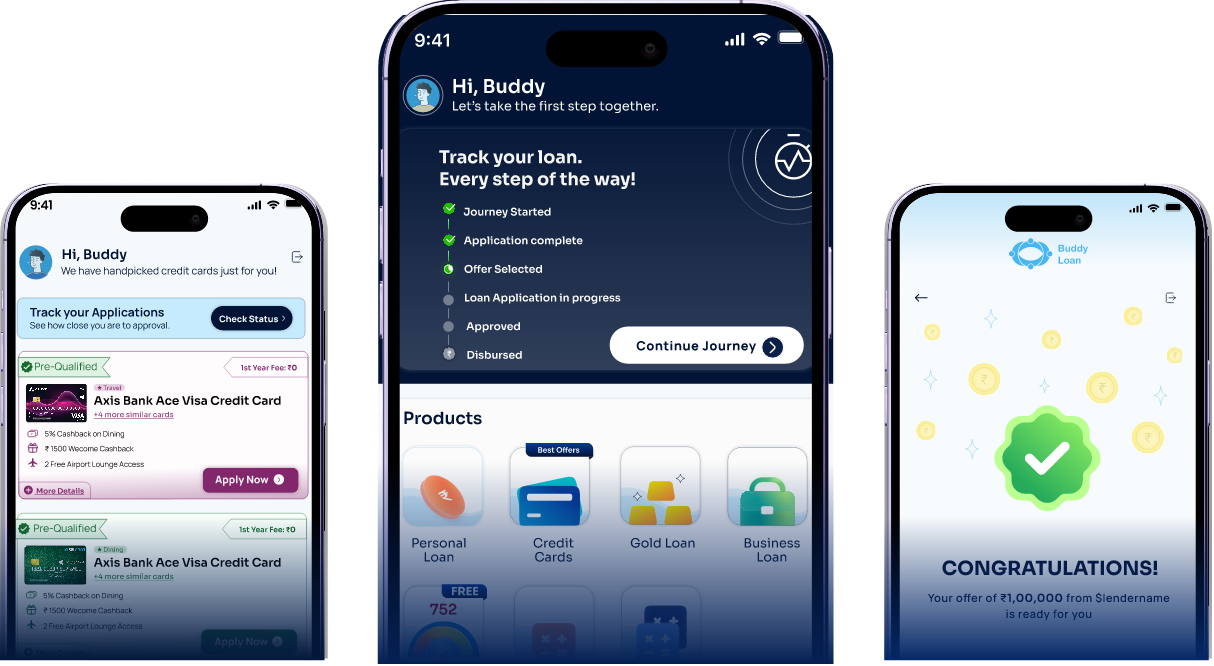
Download the Buddy Loan App Now!
One solution to each of your financial needs at your fingertip.

Scan to download now