The micro, small, and medium enterprises (MSME) sector in India has started experiencing significant stress in recent times, primarily due to a broad economic slowdown, a tightening credit environment, and signs of overleveraging among borrowers. This rising stress is particularly noticeable in the small-ticket MSME loans segment and is spilling over into vehicle loans, which are a critical credit product for many small businesses.
On top of it, high US tariffs have made a significant impact on various sectors, increasing the pressure on MSMEs. These rising operational challenges are not only impacting business stability but also shaking up the vehicle loan landscape offered by banks and NBFCs.
Read on to learn more about the ripple effect of MSME sector stress on vehicle financing and how this issue might influence your ability to secure a loan.
MSMEs’ Growth and Stress Reasons
Over the past five years, MSME credit in India has expanded impressively to approximately ₹40 lakh crore, driven by government initiatives and improved financial inclusion. However, fresh lending slowed by 7% in the fiscal year 2024-25 due to weaker demand from micro borrowers amid rising risks.
The investment portfolio at risk (PAR) for micro MSME loans was around 4.2% by March 2025, indicating increasing asset quality concerns, especially in unsecured business loans and small-ticket loans up to ₹10 lakh.
This mounting stress on MSMEs regarding their loans was primarily due to the fallout from the pandemic, supply chain disruptions, rising input costs, and even global factors like trade tensions.
A particularly strong blow has been due to the recent tariff challenges from the U.S.-China trade tensions, where the 50% tariff on imports critically affected the steel, aluminium, and copper sectors, along with a lot more, disrupting cost structures and market access.
All these issues are straining MSME liquidity, making it harder for businesses to manage cash flow or expand, two crucial elements in sustaining a healthy business.
How Does This Affect Vehicle Loans?
The ripple effect of rising stress in the MSME sector is being felt in the vehicle loan market as banks and NBFCs (Non-Banking Financial Companies) are now more cautious in lending to business owners, especially those with ties to the MSME sector.
This is mainly because of rising defaults and a shaky economy. The lending institutions are tightening their policies to reduce risk, making it harder for many business owners to secure vehicle loans.
For business owners relying on vehicles for daily operations, whether it’s for delivery, commuting, or expansion, this tightening of loan conditions could pose significant challenges. Vehicle loan approval, especially for MSME owners, is now under stricter scrutiny of credit scores, repayment history, and business stability.
Also Read: Commercial Vehicle Loans
The Response Of Banks and NBFCs
In response to the rising stress in the MSME sector, both banks and NBFCs are recalibrating their strategies.
Many are focusing on smaller loan amounts to manage risk, while others are extending repayment timelines to ease the burden on MSMEs. However, these measures may not be enough to counter the broader issue at hand; many MSMEs are simply too financially strained to take on new debt.
This increased scrutiny is making both businesses and financial institutions rethink loan structures, especially when it comes to asset-heavy loans like vehicle loans.
Banks and NBFCs are also leveraging data-driven insights to assess the creditworthiness of borrowers, leading to a more cautious lending environment.
How Will MSME Stress Affect Your Ability to Secure a Vehicle Loan?
If you’re in the MSME space and need a vehicle loan, the current climate could impact both the terms of your loan and your ability to secure one in the first place.
You see, the thing is, MSMEs form a big part of the demand for commercial vehicles (trucks, vans, taxis). If MSMEs are struggling, loan defaults increase. This causes banks and NBFCs to become cautious.
For a normal person, this means stricter checks, like deeper income scrutiny and more importance given to a credit score check. This could also mean higher interest rates, increased documentation, and tighter eligibility requirements.
Additionally, if you’re applying for a loan with a less-than-ideal credit history or if your business shows signs of instability, you may find the approval process more difficult.
However, there are ways to increase your chances. These include keeping your credit score healthy and working with financial experts who understand the changing landscape of vehicle financing.
Vehicle Loan Interest Rates 2025
While vehicle loans in India have become more difficult to obtain for MSME owners, here’s a quick comparison of top lenders offering vehicle financing:
| Lender | Interest Rate |
| HDFC Bank | 9.40% onwards |
| State Bank of India (SBI) | 8.95% to 15.00% |
| ICICI Bank | 9.15% onwards |
| Kotak Mahindra Bank | 7.70% to 25% |
| Punjab National Bank | 9.50% onwards |
| Bank of Baroda | 8.15% onwards |
| Axis Bank | 8.80% to 11.80% |
| Union Bank of India | 7.90% to 11.95% |
| Canara Bank | 8.70% onwards |
| IDBI Bank | 9.45% onwards |
Note: These rates are subject to change based on the bank’s discretion.
These rates reflect the current cautious lending environment, which is influenced by the MSME sector’s stress. You can expect more stringent scrutiny and potentially higher rates if you’re applying for a vehicle loan in the near future.

What Steps Should Small Business Owners Take?
If you’re a small business owner in the MSME sector, there are proactive steps you can take to ease the impact of rising stress and secure a vehicle loan:
- Maintain a healthy credit score: A good credit score is your key to securing favourable loan terms. Regularly monitor your score through a credit score checker and take necessary steps to improve it.
- Prepare detailed financial records: Banks and NBFCs are looking for businesses with clear financial histories. Ensure that your business documentation details, such as income statements, tax returns, and cash flow projections, are up-to-date.
- Consider alternate financing options: If securing a traditional vehicle loan is proving difficult, consider non-traditional options across a digital lending platform like Buddy Loan, which offers flexible repayment terms and quick processing.
The use of an EMI calculator can help you assess monthly repayment options before committing. - Stay informed on government schemes: The Indian government has rolled out several programmes to support MSMEs. Keep an eye on these initiatives to take advantage of grants, subsidies, or soft loans that may help ease your financial strain.
Government Support for MSMEs
The government has implemented several measures to support MSMEs, especially during times of economic stress. These include schemes offering easier access to credit, financial support for business continuity, and relief packages during economic slowdowns.
Here is a list of schemes backed by the government:
| Scheme | Objective |
| PMMY | Collateral-free microloans up to ₹10 lakh |
| CGTMSE | Collateral-free credit up to ₹5 crore with guarantee |
| PMEGP | Credit-linked subsidy for self-employment |
| ZED | Support for green and high-quality manufacturing |
| Udyam Registration | Streamlined access to MSME benefits |
| CLCSS | Subsidy for technology upgrades |
| ASPIRE | Startup and incubator support |
| PMVKSY | Artisan support via training and loans |
| ADEETIE | Incentives for energy-efficient upgrades |
| Export Interest Subsidy | Ease export financing costs |
Staying up-to-date with the latest government interventions can provide much-needed relief, helping your business bounce back and improve your loan prospects.
Conclusion: Prepare for Challenges, but Stay Hopeful
The rising stress in the MSME sector presents significant challenges, particularly when it comes to securing vehicle loans.
However, by staying informed about the changing loan landscape, ensuring your creditworthiness is intact, and considering alternative financing options, small business owners can mitigate risks and secure the loans they need.
As the market evolves, staying proactive, seeking professional financial advice, and exploring government-backed schemes will be essential to navigating these uncertain times. By understanding the current situation and making informed decisions, you can safeguard your business and personal finances for the future.
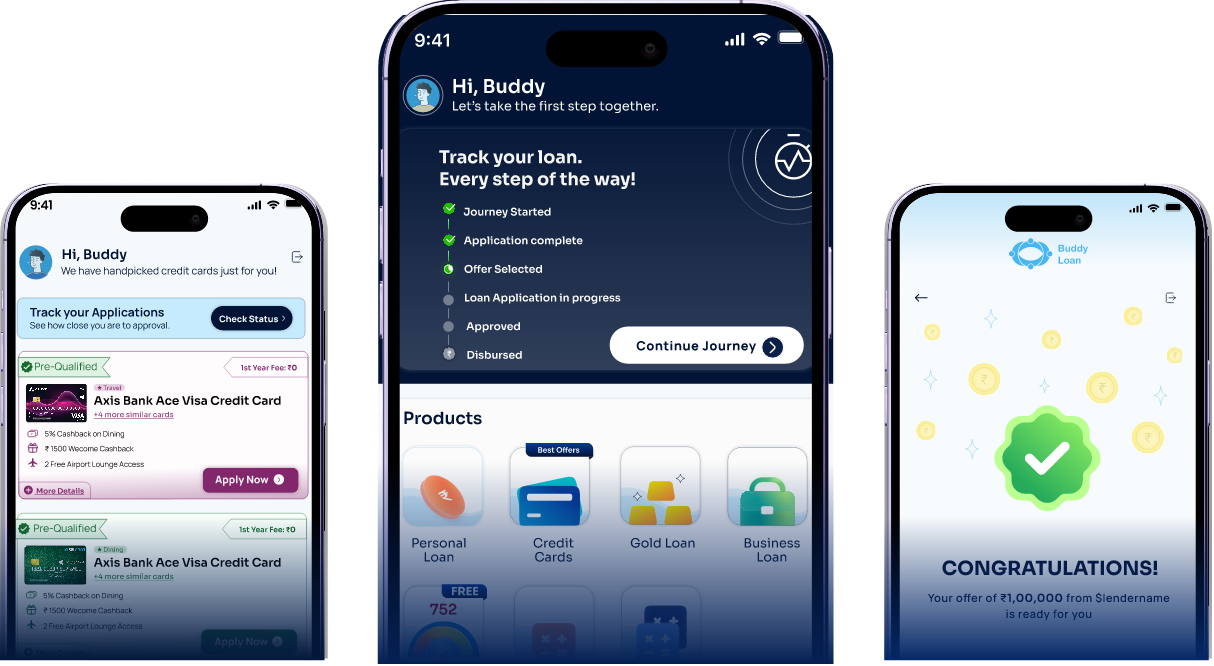
Download the Buddy Loan App Now!
One solution to each of your financial needs at your fingertip.

Scan to download now