When applying for a loan, most individuals focus on their overall income and its stability. But do you know that your income structure can influence loan approval? Aside from your income, lenders also assess your salary structure, that is, whether it is fixed or variable.
Factors like basic pay, allowances, bonuses and deductions all play a crucial role in determining your loan eligibility. Keep reading to understand how your salary structure impacts lending decisions.
How Salary Breakup Influences Different Types of Loans
To begin with, you must understand that your salary structure doesn’t impact all loans in the same way. Here’s how it influences each type of loan:
- Home Loans: Lenders closely analyse your salary components and require documentation for all income sources. A solid fixed-pay structure is a major plus.
- Personal Loans: More sensitive to net monthly income and job stability. Variable components can reduce loan eligibility.
- Auto Loans: These loans are usually easier to get, but if your deductions are high or your take-home pay is low, the amount you can borrow may be limited.
- Credit Cards: Approval depends on your income and credit history, but your salary structure can also impact your credit limit.
Fixed Vs Variable Pay For Loan Eligibility
If a significant portion of your salary consists of performance bonuses, commissions or other variable pay, lenders may treat that income as unstable.
Now, let’s understand what fixed and variable pay are.
| Fixed Pay | Variable Pay |
| Refers to the portion of salary that is guaranteed and paid regularly, regardless of your performance or the company’s profits | Based on income components that depend on individual or company performance |
| Includes basic salary, fixed allowances (like HRA or transport allowance) | Includes bonuses, incentives, commissions, profit-sharing, or overtime pay |
Since variable pay is not guaranteed and can fluctuate significantly, lenders either discount it or exclude it entirely when evaluating your income for a loan.
As you know, most banks and NBFCs prioritize income stability. The components of variable pay can fluctuate based on company performance or market conditions, which makes it less reliable for consistent EMI payments. Thus, lenders may either discount it or exclude it entirely when evaluating your income for a loan.
This could reduce the loan amount you are eligible for or even lead to rejection, especially for high-value loans like home loans or personal loans.
A higher fixed pay makes you more reliable to lenders, while depending too much on variable pay can reduce your loan options or lower the amount you qualify for.

Choosing The Right Platform
Now that you understand how your salary structure affects your loan eligibility, the next step is to find the right lender that can simplify the process for you.
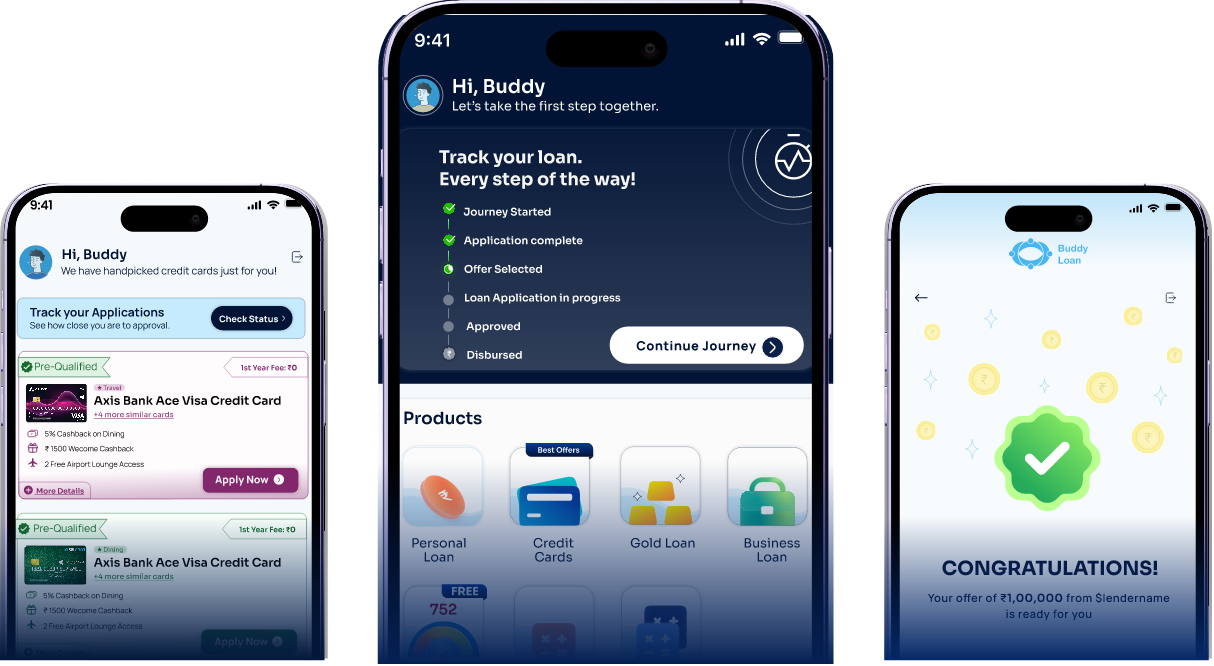
Buddy Loan is a loan aggregator that assesses your entire financial profile, which includes your salary structure, income stability, credit score and so on. It connects you with the right lenders on a single platform and allows you to:
- Avoid unnecessary rejections by applying to the right lenders
- Get access to better interest rates and repayment terms
- Speed up the loan process with quick checks and simple documentation
Conclusion
Your salary structure plays a key role in shaping your loan eligibility. The amount of fixed pay, along with your allowances and deductions, can either improve or reduce your chances of getting approved.
A well-balanced salary structure can lead to faster approvals, higher loan amounts and better interest rates. If you are planning a major financial step, like buying a home or applying for a personal loan, ensure you review your salary structure first. With the right lender, it can help unlock better financial opportunities.
Download the Buddy Loan App Now! One solution to each of your financial needs at your fingertip. Scan to download now