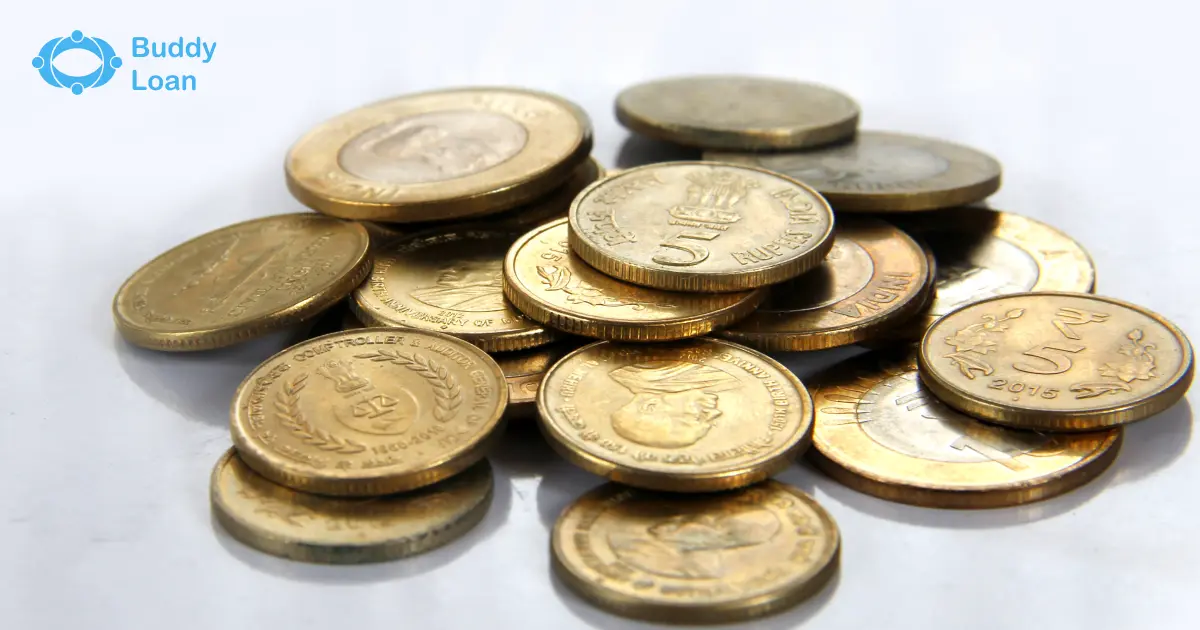
The Reserve Bank of India manages the nation’s currency flow. Consequently, the RBI Coin Rule ensures every citizen accepts valid coins. Therefore, understanding the RBI Coin Rule helps you avoid payment disputes during daily transactions.
Read on to learn more about the RBI’s latest stance on coins.
Latest Updates on the RBI Coin Rule
The central bank issued a fresh directive regarding metallic currency. This update mandates that all banks must accept coins of all denominations. Consequently, the RBI Coin Rule protects consumers from refusal by local vendors or small businesses.
Furthermore, the RBI introduced a new digital tracking system for coin distribution. This system ensures that ₹0.5, ₹1, ₹2, ₹5, ₹10, and ₹20 coins reach rural areas efficiently. Therefore, the RBI Coin Rule aims to reduce the artificial shortage of small change in the market.

Current Status of ₹10 and ₹20 Coins
Many people still doubt the validity of various ₹10 coin designs. However, the RBI Coin Rule clearly states that all 14 versions of the ₹10 coin are legal tender. Consequently, you can use any ₹10 coin for any transaction across India without fear.
Additionally, the ₹20 coin remains a vital part of the RBI Coin Rule framework. This dodecagon-shaped coin features a bi-metallic design for better durability and security. Therefore, shopkeepers must accept these coins without any hesitation or personal bias.
Comparison of Current Indian Coin Currencies
| Denomination | Metal Composition | Shape | Status | Variants |
|---|---|---|---|---|
| ₹1 Coin | Ferritic Stainless Steel | Circular | Legal Tender | 7+ |
| ₹2 Coin | Ferritic Stainless Steel | Circular | Legal Tender | 8+ |
| ₹5 Coin | Nickel-Brass | Circular | Legal Tender | 6+ |
| ₹10 Coin | Bi-metallic | Circular | Legal Tender | 14 |
| ₹20 Coin | Bi-metallic | 12-sided | Legal Tender | 1 |
Legal Tender Status Under RBI Coin Rule
The RBI Coin Rule defines legal tender as money that a creditor must accept. Consequently, refusing these coins can lead to legal action under the Indian Coinage Act. Therefore, the RBI Coin Rule maintains public confidence in the physical currency system of the country.
Moreover, the RBI encourages the use of coin vending machines in public places. These machines help people exchange soiled notes for fresh, shiny coins. Consequently, the RBI Coin Rule promotes a clean and efficient currency cycle for all citizens.
Historical Evolution of the RBI Coin Rule
India changed its coinage system significantly over the last few decades. Initially, the country used the Anna system after gaining independence in 1947. Consequently, the RBI Coin Rule evolved during the decimalisation process that occurred in 1957.
Therefore, the government replaced old units with the Naya Paisa system. Later, the authorities dropped the word ‘Naya’ from the coins in 1964. Furthermore, the RBI Coin Rule transitioned from expensive metals like nickel to ferritic stainless steel to save costs.

Historical Dataset of Indian Coin Values
| Currency System | Denominations Issued (Money Values) | Period of Use |
|---|---|---|
| Pre-Decimal System | 1/2 Pice, 1 Pice, 1/4 Anna, 1/2 Anna, 1 Anna, 2 Annas, 4 Annas, 8 Annas | 1950 – 1957 |
| Decimal System (Paisa) | 1p, 2p, 3p, 5p, 10p, 20p, 25p, 50p | 1957 – 2011 |
| Modern Rupee System | ₹1, ₹2, ₹5, ₹10, ₹20 | 1962 – Present |
Conclusion on the RBI Coin Rule
The RBI Coin Rule provides a clear framework for using metallic currency in India. Consequently, citizens should stay informed about the latest updates to avoid unnecessary confusion. Therefore, the RBI Coin Rule ensures that every ₹1, ₹2, ₹5, ₹10, and ₹20 coin holds its full legal value.
Furthermore, the central bank continues to monitor the circulation of these coins closely. This proactive approach prevents the spread of fake currency rumours in the economy. Consequently, following the RBI Coin Rule simplifies your daily financial interactions and supports the national payment infrastructure.
Download the Buddy Loan App Now!
One solution to each of your financial needs at your fingertip.

Scan to download now