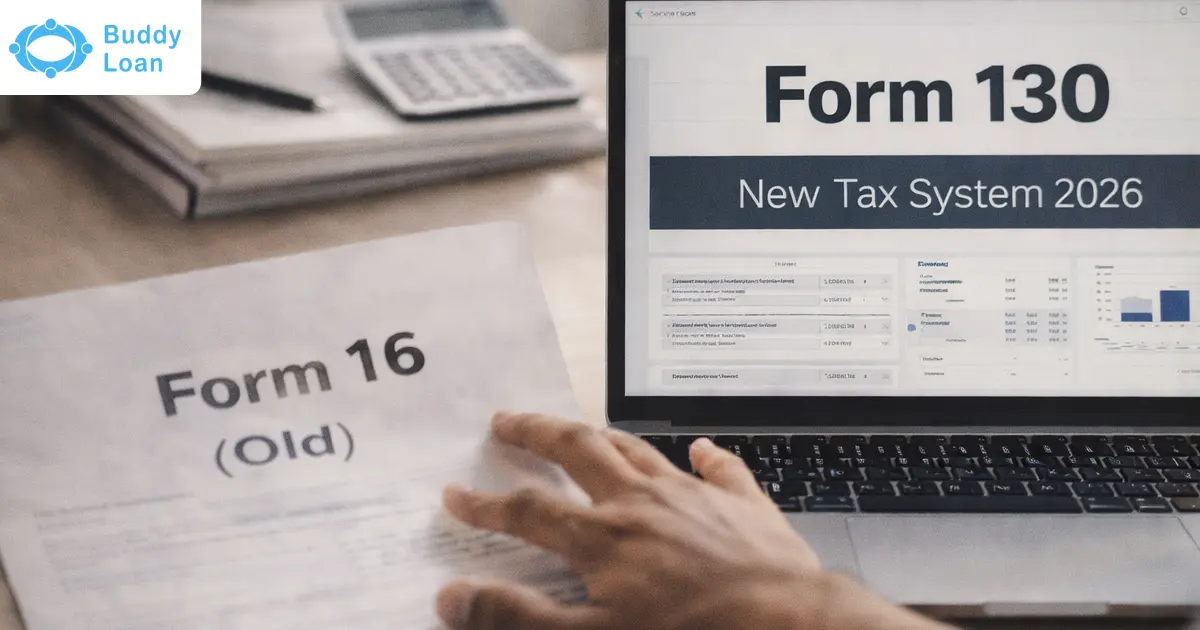
India’s taxation system is entering a new phase with the implementation of the Income Tax Rules on April 1, 2026, under the Income Tax Act, 2025. These reforms are designed to simplify tax compliance, improve transparency, and align the system with modern salary structures and digital processes.
For salaried employees, these changes will directly impact HRA exemptions, salary structure, tax planning, and the choice between the old and new tax regimes. While income tax slabs remain unchanged, the way income is calculated and taxed is evolving significantly.
Understanding these changes in detail is essential to optimizing your tax savings and avoiding compliance issues in FY 2026–27.
New Tax Year System in Income Tax Rules 2026
The introduction of a unified tax year system is one of the most important structural changes in the Income Tax Rules 2026.
Earlier, taxpayers had to deal with two separate concepts:
- Previous Year (when income is earned)
- Assessment Year (when income is taxed)
This dual system often caused confusion, especially for first-time taxpayers. The new rules replace both with a single “tax year”, making tax filing more straightforward.
Why This Change Matters:
- Simplifies tax filing and compliance
- Reduces confusion in timelines
- Aligns India’s tax system with global practices
Another important update is that taxpayers can now claim TDS refunds even after missing the filing deadline, provided penalties are not applicable. This adds flexibility and reduces financial stress for late filers.

Income Tax Slabs 2026 for Salaried Employees: Old vs New Tax Regime Explained
One of the most searched queries is whether tax slabs have changed in 2026. The answer is no, but the strategy behind it is important.
The government has retained existing slabs while promoting the new tax regime as the default system, encouraging taxpayers to shift toward a simplified structure.
Income Tax Slabs FY 2026–27
| Income Range | Old Tax Regime | New Tax Regime |
| Up to ₹2.5 lakh | Nil | – |
| ₹2.5L – ₹4L | 5% | Nil |
| ₹4L – ₹5L | 5% | 5% |
| ₹5L – ₹8L | 20% | 5% |
| ₹8L – ₹10L | 20% | 10% |
| ₹10L – ₹12L | 30% | 10% |
| ₹12L – ₹16L | 30% | 15% |
| ₹16L – ₹20L | 30% | 20% |
| ₹20L – ₹24L | 30% | 25% |
| Above ₹24L | 30% | 30% |
Key Insights:
- New regime offers lower tax rates but no major deductions
- Old regime allows tax-saving investments and exemptions
- Standard deduction:
- ₹75,000 (New Regime)
- ₹50,000 (Old Regime)
Choosing between the two depends on your income structure and deductions.
HRA Changes 2026: New Rules, Eligible Cities and Tax Benefits
The HRA changes in 2026 are one of the most impactful updates for salaried employees.
The government has expanded the list of cities eligible for 50% salary-based HRA exemption, recognizing the rising cost of living.
Cities Eligible for Higher HRA Exemption:
- Delhi, Mumbai, Kolkata, Chennai
- Bengaluru, Hyderabad, Pune, Ahmedabad
How HRA Exemption is Calculated:
The exemption is the lowest of:
- Actual HRA received
- Rent paid minus 10% of salary
- 50% of salary (metro cities)
For other cities, the limit remains 40% of salary.
Why This Change is Important:
- Provides higher tax relief
- Reflects real estate price increases
- Benefits of urban salaried professionals
Form 124 for HRA Claims: New Compliance Requirement in 2026
To improve transparency, the government has introduced Form 124, making HRA claims more accountable.
What Taxpayers Must Disclose:
- Landlord’s name and details
- Relationship with landlord
- Proof of rent payments
Key Impact:
- Rent paid to parents is still allowed
- Mandatory disclosure prevents misuse
- Landlords must report rental income
This ensures better tracking and reduces fraudulent tax claims.
Know More: 13 Major Tax Changes From April 1st 2026
Updated Allowances in Income Tax Rules 2026: Higher Tax-Free Limits
The revision of allowance limits is one of the most taxpayer-friendly updates.
Many allowances had not been updated for decades, making them outdated. The new limits reflect current living costs.
Revised Allowances Table
| Allowance | Old Limit | New Limit |
| Children Education | ₹100/month | ₹3,000/month |
| Hostel Allowance | ₹300/month | ₹9,000/month |
| Transport Allowance | ₹10,000 | ₹25,000 |
| Gifts/Festival | ₹5,000/year | ₹15,000/year |
Impact:
- Higher tax savings
- Better support for families
- Makes the old regime more attractive
Company Car Perquisite Tax Changes 2026: Updated Valuation Rules
The taxable value of employer-provided cars has been revised to reflect current costs.
Updated Perquisite Values
| Car Type | Old Value | New Value |
| Engine < 1.6L | ₹600/month | ₹2,000/month |
| Engine > 1.6L | ₹1,600/month | ₹7,000/month |
What This Means:
- Increased taxable income
- Reduced the tax advantage of company perks
- More realistic valuation

Employer Loan Tax Benefits 2026: Higher Exemption Limit Explained
The new rules significantly increase the exemption limit for employer-provided loans.
- Old limit: ₹20,000
- New limit: ₹2,00,000
Benefits:
- Supports emergency financial needs
- Medical loans remain tax-free
- Reduces employee financial burden
Meal Voucher Tax Benefits 2026: Increased Savings for Employees
Meal vouchers now offer greater tax savings under the old regime.
- Old limit: ₹50 per meal
- New limit: ₹200 per meal
Impact:
- Annual tax-free benefit up to ₹1,05,600
- Significant savings for salaried employees
This benefit is available only under the old tax regime.
New Compliance Rules for Companies Under Income Tax Rules 2026
The new tax rules also tighten compliance requirements for companies.
Key Changes:
- Mandatory share registers
- Dividend distribution within India
- Audit trail maintenance for 7 years
- Monthly reporting of transactions
Outcome:
- Improved transparency
- Reduced tax evasion
- Stronger financial monitoring
New ITR Forms and Filing Deadlines 2026: What Has Changed
The government is modernizing the tax filing system.
Key Updates:
- ITR deadline extended to August 31
- Replacement of Form 16 and 26AS
- Introduction of new forms like Form 130 and 168
Benefits:
- Simplified filing process
- Reduced ambiguity
- Improved reporting accuracy
Salary Restructuring 2026: How It Impacts Tax and Take-Home Salary
A major structural shift is happening due to changes in wage laws.
New Rule: At least 50% of the salary must be basic pay
Impact on Employees:
- Reduced allowances like HRA
- Lower deductions
- Increased shift toward a new tax regime
This is a key reason why more employees are moving to the new system.
Know More: Do this Before 31st March 2026 to reduce your Tax
Old vs New Tax Regime 2026: Which is Better for You
Choosing the right tax regime is crucial for maximizing savings.
Old Regime is Better If:
- You claim multiple deductions
- You invest in tax-saving instruments
New Regime is Better If:
- You prefer simplicity
- You have fewer deductions
- You want lower tax rates
Key Takeaways for Salaried Taxpayers
The Income Tax Rules 2026 bring a mix of simplification and stricter compliance.
- Tax slabs remain unchanged
- The new regime is the default
- HRA benefits expanded
- Allowances significantly increased
- Compliance requirements tightened
- Salary restructuring favors the new regime
Understanding these changes is essential for effective tax planning.
Conclusion: Preparing for the New Tax Era
The Income Tax Rules April 1, 2026 represent a major shift toward a simpler and more transparent tax system. While increased allowances and expanded HRA benefits offer relief, stricter compliance and salary restructuring require careful planning.
For salaried individuals, this is the right time to review your salary structure, evaluate the best tax regime, and plan your taxes effectively. Staying informed and proactive will help you maximize savings and adapt smoothly to the new tax framework.
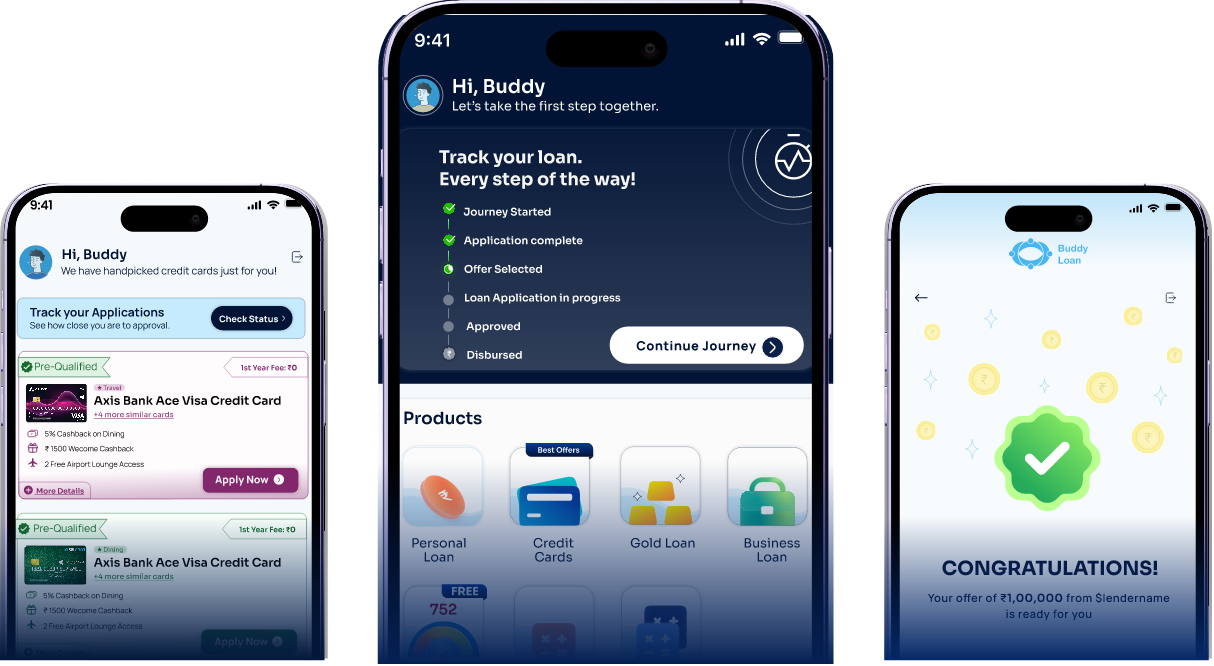
Download the Buddy Loan App Now!
One solution to each of your financial needs at your fingertip.

Scan to download now