A savings account is the most basic and widely used bank account designed to store money securely while earning interest. It helps individuals keep money safe, access funds when needed, and manage everyday financial transactions with ease. A savings account usually supports cash deposits, withdrawals, ATM access, debit card usage, net banking, UPI payments, and mobile banking, making it a practical tool for routine money management.
Over time, savings accounts have evolved beyond their traditional role. Today, banks offer not only regular savings accounts but also zero balance accounts, digital savings accounts, salary accounts, student accounts, and senior citizen accounts. This means customers can choose an account that fits their income pattern, lifestyle, and banking preferences.
Savings Accounts Offered by Our Partners
We, at Buddy Loan, work with select banks that offer great value through high interest rates, smart digital features, and strong customer service.
Kotak Mahindra Bank Savings Account
The Kotak 811 is India’s most popular zero-balance digital savings account. You can open it from your phone in under 10 minutes. Here is what you get:
- No balance required, no annual maintenance charges
- A free virtual debit card is issued instantly for online purchases
- The ActivMoney facility links idle funds to a Fixed Deposit, earning up to 7.00%
- Full access to Kotak’s mobile app and net banking right away
- Option to upgrade to a full-KYC account for higher transaction limits



AU Small Finance Bank Savings Account
AU Small Finance Bank offers savings account interest rates of up to 7.25% per year, making it one of the highest in the country. Here is what you get:
- Interest up to 6.50% p.a. with interest added to your account every month
- No minimum balance required, a true zero balance account
- Open your account instantly through Video KYC on the AU 0101 app
- Free unlimited online transfers through NEFT, IMPS, and RTGS
- Dedicated relationship manager for premium account holders
- Option to link idle funds to a Fixed Deposit for even higher returns
IndusInd Bank Savings Account
IndusInd Bank offers a premium banking experience with accounts like PIONEER and Indus Exclusive for high-net-worth customers. Key features include:
- Interest up to 4.00% per year on higher balance accounts
- A dedicated relationship manager handles all your banking needs personally
- Airport lounge access and exclusive lifestyle benefits for premium account holders
- Indus Delite zero balance account offers up to 5% cashback on partner spends
- Choose your own debit card design for a personalised touch
- Full digital banking access through IndusNet and IndusMobile
Understanding Savings Accounts
Purpose: A savings account gives you a safe place to keep money you do not need to spend right away. It also keeps your money easy to access whenever you need it. You can use it to receive your salary, pay bills, shop online, and send money to others.
Why It Matters: Savings accounts are important for everyday financial life. They help millions of Indians manage their money, make payments, and build a banking history. Government schemes like Jan Dhan Yojana have used savings accounts to bring crores of unbanked Indians into the formal banking system.
How It Has Evolved: Earlier, opening a bank account meant visiting a branch, filling forms, and waiting days for approval. Today, you can open a savings account from your phone in minutes. Many banks now offer Video KYC, where a bank officer verifies your identity over a video call. No branch visit or physical paperwork is needed.
Key Features of Savings Accounts
A savings account gives you a good mix of safety, growth, and easy access to your money. Here are the key features:
- Interest Earned: Your money earns interest automatically, usually between 2.50% and 8.00% per year, depending on the bank.
- High Liquidity: You can withdraw or transfer your money at any time, no waiting, no penalties.
- Easy Access: You get a debit card to use at ATMs, shops, and for online payments.
- Digital Banking: Manage everything through your bank’s mobile app or net banking, UPI, NEFT, IMPS, RTGS, and more.
- Zero Balance Option: Some accounts allow you to maintain a zero balance; there is no minimum required at all times.
- DICGC Insurance: Your deposits are protected up to ₹5 lakh by the government-backed DICGC scheme.
Types of Savings Accounts in India
Banks in India offer different kinds of savings accounts to serve different customer needs. The right account depends on whether the user values branch access, digital convenience, zero balance flexibility, or premium benefits.
| Account Type | Who Is It For | Key Benefit | Min. Balance |
| Regular Savings Account | General public, salaried individuals | Standard day-to-day banking | ₹1,000 – ₹25,000 |
| Zero Balance Account | Anyone with a variable or low income | No minimum balance required | Nil |
| Digital Savings Account | Tech-savvy users | Open instantly online via Video KYC | Nil to Low |
| Salary Savings Account | Salaried employees | Zero balance + extra perks | Nil (while active) |
| Senior Citizen Account | Individuals aged 60 and above | Higher interest, priority service | Low to Moderate |
| Student / Minor Account | Children and students under 18 | Builds savings habits early | Nil to Low |
Zero Balance Savings Accounts
Zero Balance Savings Accounts are useful for customers who want to avoid penalties for not maintaining a minimum balance. They are especially relevant for first-time account holders, students, salaried users, and people who prefer flexible banking.
The following table gives an overview of banks known for offering zero-balance savings account options or basic savings products.
| Bank | Account Name / Variant | Zero Balance Availability | Key Feature |
| Kotak Mahindra Bank | Kotak 811 | Yes | Fully digital savings account with app-based access |
| IndusInd Bank | Indus Delite / selected savings variants | Available in select variants | Lifestyle-oriented savings features |
| AU Small Finance Bank | Digital Savings / selected variants | Available in select offerings | Competitive savings rate positioning |
| HDFC Bank | Basic Savings Account | Yes | Basic banking access without a minimum balance requirement |
| IDFC FIRST Bank | Zero Balance / Salary-linked variant | Yes, in select categories | Strong digital banking experience |
| SBI | Basic Savings Bank Deposit Account | Yes | Nil minimum balance with a large branch network |
| HSBC India | Basic Savings Account | Yes, in the product category | Basic account with digital support |
| Standard Chartered Bank | Select savings variants | Product-specific | Urban-focused banking with digital access |
Highlights of Key Zero-Balance Account
Kotak 811 Account
- Zero-balance digital savings account
- Quick online onboarding
- Virtual debit card support
- Strong mobile banking focus
- Suitable for digital-first users
IndusInd Savings Bank Account
- Savings variants with premium positioning
- Lifestyle and service-led banking appeal
- Digital access with modern banking features
- Suitable for users looking for more than a basic account
AU Bank Savings Account
- Digital-friendly savings options
- Higher-rate positioning compared with many traditional banks
- Suitable for customers who want growth and convenience together
HDFC Basic Savings Account
- Designed for basic banking needs
- No minimum balance requirement in the basic account category
- Access to core banking services such as deposits, withdrawals, and ATM use
IDFC FIRST Bank Zero Balance Account
- Available in selected account types
- Strong app and digital servicing ecosystem
- Attractive for customers seeking modern banking convenience
SBI Basic Savings Bank Deposit Account
- Nil minimum balance requirement
- Suitable for basic usage and financial inclusion
- Supported by SBI’s extensive branch and ATM network
Savings Account Interest Rates
Savings account interest rates differ from bank to bank based on balance slabs, account type, and internal banking policy. Public sector banks usually offer stable rates, while some private and small finance banks may provide higher returns on selected balances or digital savings products. The table below gives a broad comparison of the savings account interest rates:
| Bank | Indicative Savings Account Interest Rate (p.a.) |
| State Bank of India (SBI) | 2.50% |
| HDFC Bank | 2.75% – 3.25% |
| Indian Bank | 2.75% – 2.90% |
| IDFC FIRST Bank | 3.00% – 5.00% |
| HSBC India | 2.00% – 2.50% |
| Standard Chartered Bank | 2.25% – 4.50% |
| Punjab National Bank (PNB) | 2.50% – 2.70% |
| YES Bank | 2.50% – 3.00% |
| IndusInd Bank | 2.50% – 4.00% |
| Kotak Mahindra Bank | 2.50% – 5.50% |
| AU Small Finance Bank | Up to 6.50% p.a |
Note: All interest rates and charges mentioned are indicative and may change based on bank policies and RBI guidelines. Please verify the latest details on your bank’s official website before opening an account.
Three things to keep in mind:
- Tiered Rates: Many banks offer different rates for different balance amounts. For example, you may earn 3% on the first ₹1 lakh and 6% on anything above that.
- Monthly vs Quarterly Credit: Some banks, like IDFC FIRST Bank, add interest to your account every month. This helps your money grow faster because you earn interest on interest sooner.
- Tax on Interest: The interest you earn is taxable. However, you can claim a deduction of up to ₹10,000 per year under Section 80TTA (₹50,000 for senior citizens under Section 80TTB).
Benefits of Opening a Savings Account
A savings account does much more than just hold your money. Here is what you gain:
- Safe Place for Your Money: Your funds are protected by the bank and insured up to ₹5 lakh by DICGC, keeping them safe from theft or loss.
- Earn Interest on Idle Funds: Even money sitting unused in your account earns interest every day. With monthly interest crediting, your earnings compound faster.
- Easy Financial Transactions: Transfer money instantly through UPI, NEFT, IMPS, or RTGS, anytime, from anywhere, using your phone.
- Access to More Banking Services: Your savings account opens the door to loans, credit cards, insurance plans, and investment products, all connected to one account.
- Digital Payments Made Simple: Link your account to UPI apps like Google Pay or PhonePe and pay anyone instantly, no cash needed.
- Track Your Spending: Modern banking apps show you exactly where your money is going, helping you budget better every month.
Best Savings Accounts Offered by Leading Banks
Different banks appeal to different types of users. Some are preferred for branch access, some for digital convenience, and others for premium banking or stronger interest rates.
| Bank | Savings Account Option | Best Suited For |
| SBI Savings Account | Regular Savings / BSBDA | Anyone who needs a bank with physical presence everywhere |
| HDFC Bank Savings Account | Regular / Basic Savings | Full-service banking with good digital tools |
| IDFC FIRST Bank Savings Account | Digital / Zero Balance variants | Users who want high returns and digital convenience |
| YES Bank Savings Account | Personal savings variants | Tech-savvy users wanting modern digital banking |
| Punjab National Bank Savings Account | Standard savings schemes | Rural customers and government scheme beneficiaries |
| HSBC Savings Account | Basic / Personal savings | NRIs and frequent international travellers |
| Standard Chartered Savings Account | Deposit and savings variants | Premium banking customers wanting rewards |
| IndusInd Bank Savings Account | Savings and premium variants | High net worth individuals and premium users |
| Kotak 811 Savings Account | Digital zero balance account | Students, first-time users, and digital natives |
| AU Bank Savings Account | Savings and digital variants | Students, first-time users, and digital natives |
Comparison of Leading Savings Accounts
A side-by-side comparison helps you understand how major banks differ in terms of rates, minimum balance expectations, digital availability, and core strengths.
| Bank | Interest Rate | Minimum Balance | Digital Account | Key Feature |
| SBI | Moderate | Low | Yes | Largest bank network |
| HDFC Bank | Moderate | Moderate | Yes | Premium services |
| IDFC FIRST Bank | High | Zero balance in selected variants | Yes | High interest rate |
| Kotak Bank | Moderate | Zero balance in Kotak 811 | Yes | Kotak 811 account |
| IndusInd Bank | Competitive | Moderate | Yes | Lifestyle benefits |
| AU Bank | High | Low | Yes | Small finance bank benefits |
| YES Bank | Competitive | Product-based | Yes | Private banking features |
| PNB | Moderate | Low to moderate | Yes | Public-sector familiarity |
| HSBC India | Lower to moderate | Product-based | Yes | Global banking brand |
| Standard Chartered | Moderate to competitive | Product-based | Yes | International banking access |
| Indian Bank | Moderate | Low to moderate | Yes | Public-sector savings access |
Also Read: Post Office Savings Account
Steps to Open a Savings Account Online
Opening a savings account online is simple and can usually be completed in a few minutes through a bank’s website or mobile app.
- Choose the Right Bank and Account Type
Compare interest rates, minimum balance requirements, service charges, and digital banking features. Select the account type that suits your needs, such as a regular savings account, zero balance account, salary account, or digital savings account. - Enter Your Personal Details
Fill out the online application form with basic details such as name, date of birth, mobile number, email address, PAN, and residential address. - Complete Video KYC Verification
Most banks verify identity through Aadhaar authentication and Video KYC. During the video call, you may need to show your PAN card and Aadhaar card for verification. - Activate Your Account
After verification, the account is activated. You can set up internet banking and mobile banking, receive a virtual debit card for immediate use, and the physical debit card is delivered within a few days.
Documents Required to Open a Digital Savings Account
The exact document list may vary by bank and account type, but the following documents are commonly required.
| Document Type | Common Requirement |
| Identity Proof | PAN card, Aadhaar card, passport, voter ID, or other officially valid document |
| Address Proof | Aadhaar, passport, driving licence, utility bill, or other accepted proof |
| PAN / Form 60 | PAN is usually required; Form 60 may apply in specific cases |
| Photograph | Digital photo or live capture may be required |
| Additional Documents | Salary proof, age proof, guardian documents, or account-specific declarations |
Additional documents for specific accounts
- Salary accounts: proof of employment or employer relationship may be required
- Minor accounts: guardian KYC and proof of age may be needed
- Senior citizen accounts: age proof may be necessary
- Premium savings accounts: Banks may ask for income or relationship criteria documentation
Quick Tip: For digital accounts like Kotak 811 or IDFC FIRST Bank, just your PAN and Aadhaar (linked to your mobile number) is enough. Everything is done online via Video KYC, no paperwork, no branch visit needed.
Tips to Choose the Best Savings Account
Selecting the best savings account depends on the customer’s actual usage pattern rather than only the bank name.
- Compare interest rates carefully: Look at slab-based rates instead of only the headline number.
- Check minimum balance requirements: A high-rate account may still be unsuitable if it has difficult balance conditions.
- Evaluate digital banking features: A reliable app, smooth UPI linking, and strong service support matter in daily use.
- Review charges: Non-maintenance penalties, ATM charges, debit card fees, and SMS fees should be considered.
- Assess branch and ATM access: This matters for users who rely on in-person banking or cash transactions.
- Match the account to your profile: Students, salaried employees, senior citizens, and digital-first users may all need different account types.
- Consider overall convenience: The best account should support routine banking without unnecessary cost or complexity.
Charges & RBI Guidelines on Savings Accounts
Common Charges to Know About
| Charge Type | Typical Amount | What It Means |
| Non-Maintenance Penalty | ₹500 – ₹750 per month | Charged if your balance falls below the required average |
| ATM Withdrawal (Other Banks) | ₹20 + GST per transaction | Free for 3–5 times a month; charged after that |
| Annual Debit Card Fee | ₹150 – ₹500 per year | Many digital banks offer lifetime free debit cards |
| SMS Alert Charges | ₹25 – ₹100 per quarter | Charged for transaction SMS alerts |
| Online NEFT / IMPS | Usually free | Charges may apply at physical branches |
| Cheque Book | ₹30 – ₹75 per 10 leaves | First cheque book is usually free |
| Duplicate Statement | ₹100 – ₹200 | Digital statements are usually free |
RBI Guidelines on Savings Accounts
- Zero Balance Accounts for All: The RBI requires every bank to offer a Basic Savings Bank Deposit Account (BSBDA) with no minimum balance. This ensures every Indian can have a bank account.
- Free ATM Transactions: Banks must give you at least 5 free ATM withdrawals per month at their own ATMs. In metro cities, you also get 3 to 5 free withdrawals at other banks’ ATMs every month.
- Interest Rates Are Flexible: Banks can set their own savings account interest rates. However, the same rate must apply to all customers within the same balance slab — no special treatment for select customers.
- Your Money Is Insured: All bank deposits are covered by the DICGC up to ₹5 lakh per depositor per bank, including both the amount deposited and the interest earned.
Savings Accounts vs Fixed Deposits
Both savings accounts and fixed deposits help you store and grow your money. But they work very differently. Here is a simple comparison:
| Feature | Savings Account | Fixed Deposit (FD) |
| Liquidity | High; withdraw anytime | Low; money is locked for a set period |
| Interest Rate | Around 2.5% – 7% per year | Around 6% – 8% per year |
| Premature Withdrawal | No penalty | Penalty of 0.5% – 1% on the rate |
| Minimum Amount | Nil to Low | Usually ₹1,000 – ₹10,000 |
| Tenure | No fixed period | 7 days to 10 years |
| Risk | Very Low (DICGC insured) | Very Low (DICGC insured) |
| Tax Deducted at Source | No TDS; report in ITR | TDS applied if interest exceeds ₹40,000/year |
| Best For | Daily use and emergency funds | Saving for a specific future goal |
Role of Savings Accounts in Financial Planning
Savings accounts are an important part of personal financial planning because they support both daily money flow and short-term savings discipline.
- Emergency Fund Management: A savings account is one of the most practical places to keep emergency cash because funds remain readily accessible.
- Monthly Expense Tracking: Most regular spending flows through the account, making it easier to review income, payments, and monthly habits.
- Gateway to Investment Products: Savings accounts are often linked to fixed deposits, recurring deposits, mutual funds, and other financial products.
- Salary and Bill Management: For salaried individuals, the savings account often becomes the central point for salary credit and recurring expenses.
- Goal-Based Saving: Users can maintain separate balances or even separate accounts for travel, education, tax planning, or family needs.
Summary
A savings account is the foundation of personal banking because it offers security, liquidity, convenience, and modest returns in one product. It is suitable for storing money safely, managing expenses, making digital payments, and building financial discipline. With options such as regular savings accounts, zero balance accounts, digital accounts, salary accounts, and senior citizen accounts, customers can choose a product that fits their needs. Leading banks such as SBI, HDFC Bank, IDFC FIRST Bank, YES Bank, PNB, HSBC, Standard Chartered, IndusInd Bank, Kotak Mahindra Bank, and AU Bank offer different benefits based on rate, reach, service, and digital features.
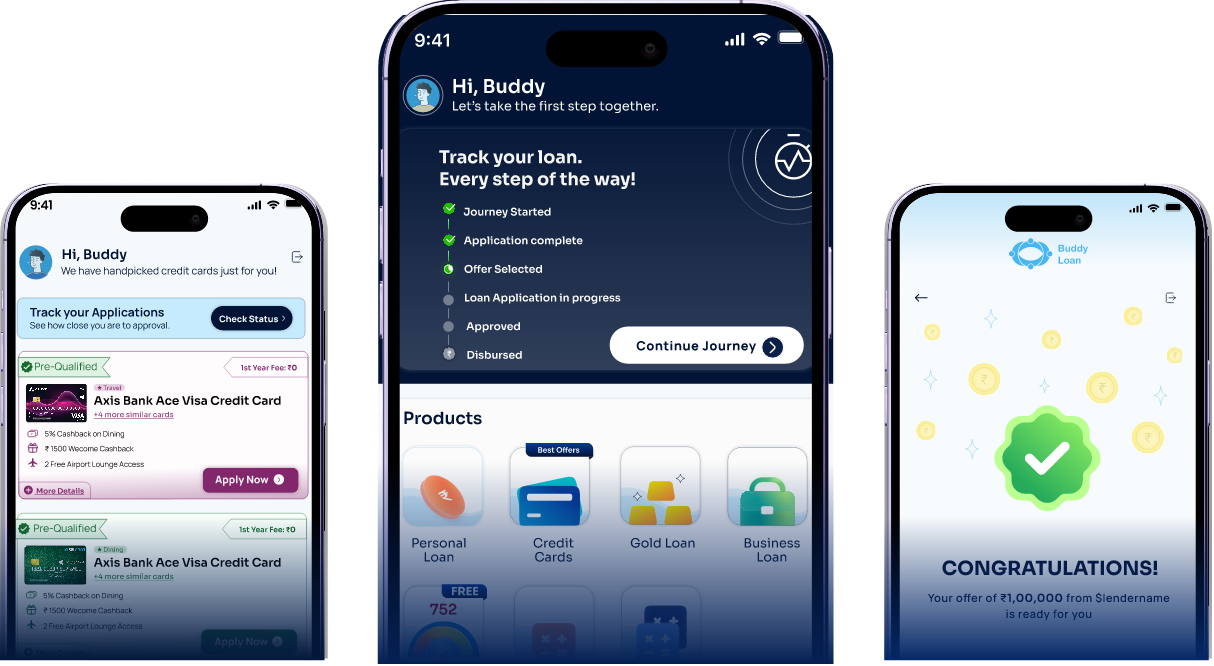
Download the Buddy Loan App Now!
One solution to each of your financial needs at your fingertip.

Scan to download now